Curated energy-efficient lighting designs optimized for Gangnam residential gardens and Seoul public parks.
As South Korea accelerates its transition toward Net-Zero 2050, the Seoul Metropolitan Government has been at the forefront of integrating renewable energy into urban aesthetics. Solar garden accent lighting is no longer just a decorative luxury; it is a critical component of Seoul’s Smart City infrastructure. From the high-density residential complexes in Gangnam to the expansive public recreational spaces along the Han River, the demand for sophisticated, reliable, and durable solar solutions is surging.
The current trend in the South Korean capital focuses on "Human-Centric Lighting" (HCL). This involves solar accent lights that adapt their color temperature (CCT) based on the time of day, enhancing the psychological well-being of residents in crowded urban environments. Furthermore, there is a significant shift toward IoT-enabled solar lighting, where decentralized garden lights can be monitored via local mesh networks—a segment where Chinese "Factory 4.0" exporters are providing unmatched value.
How Ningbo Cappy Light Co., Ltd. leverages advanced manufacturing to serve the sophisticated Seoul B2B sector.
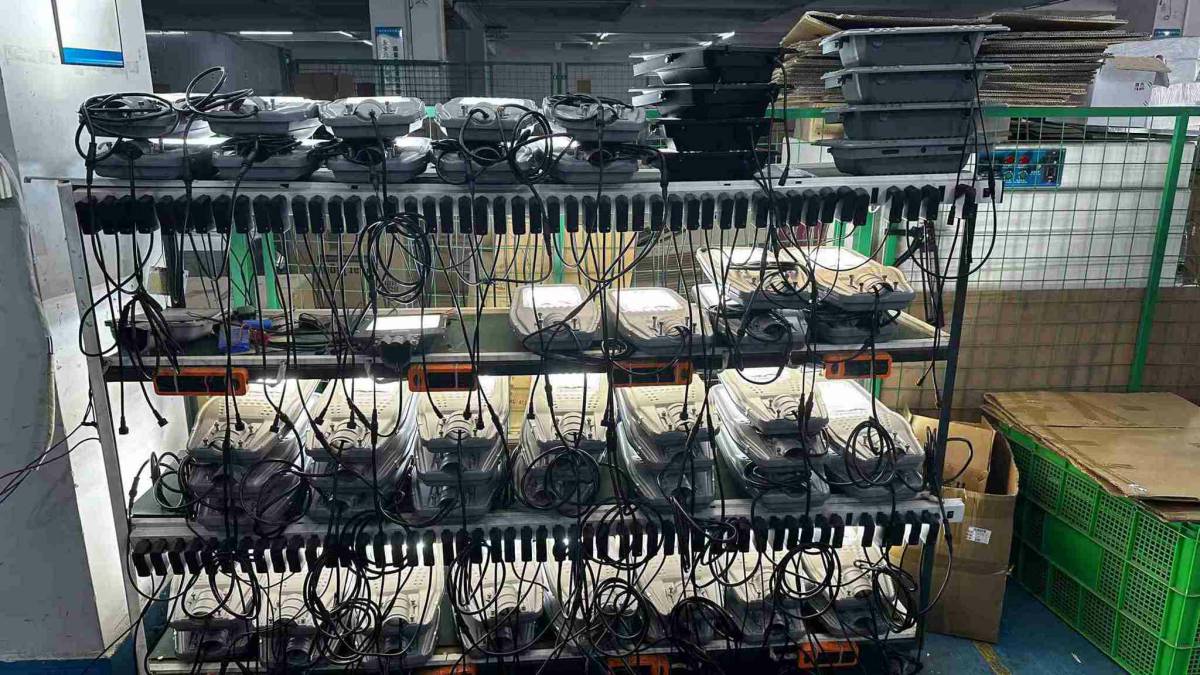
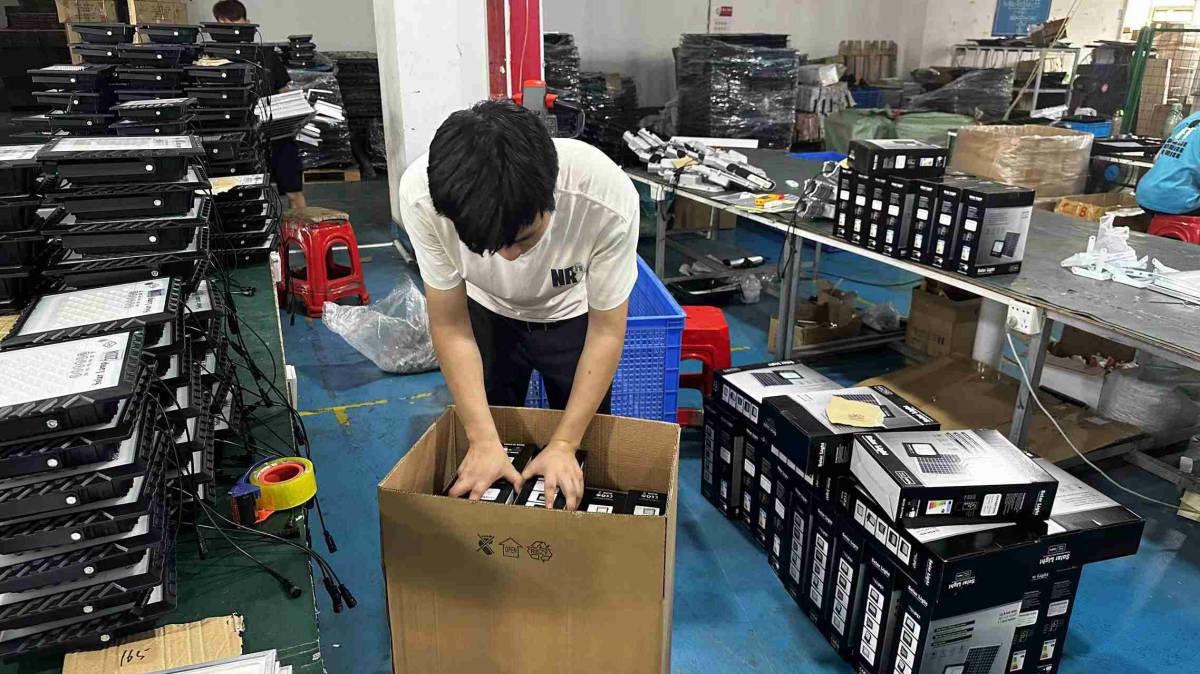
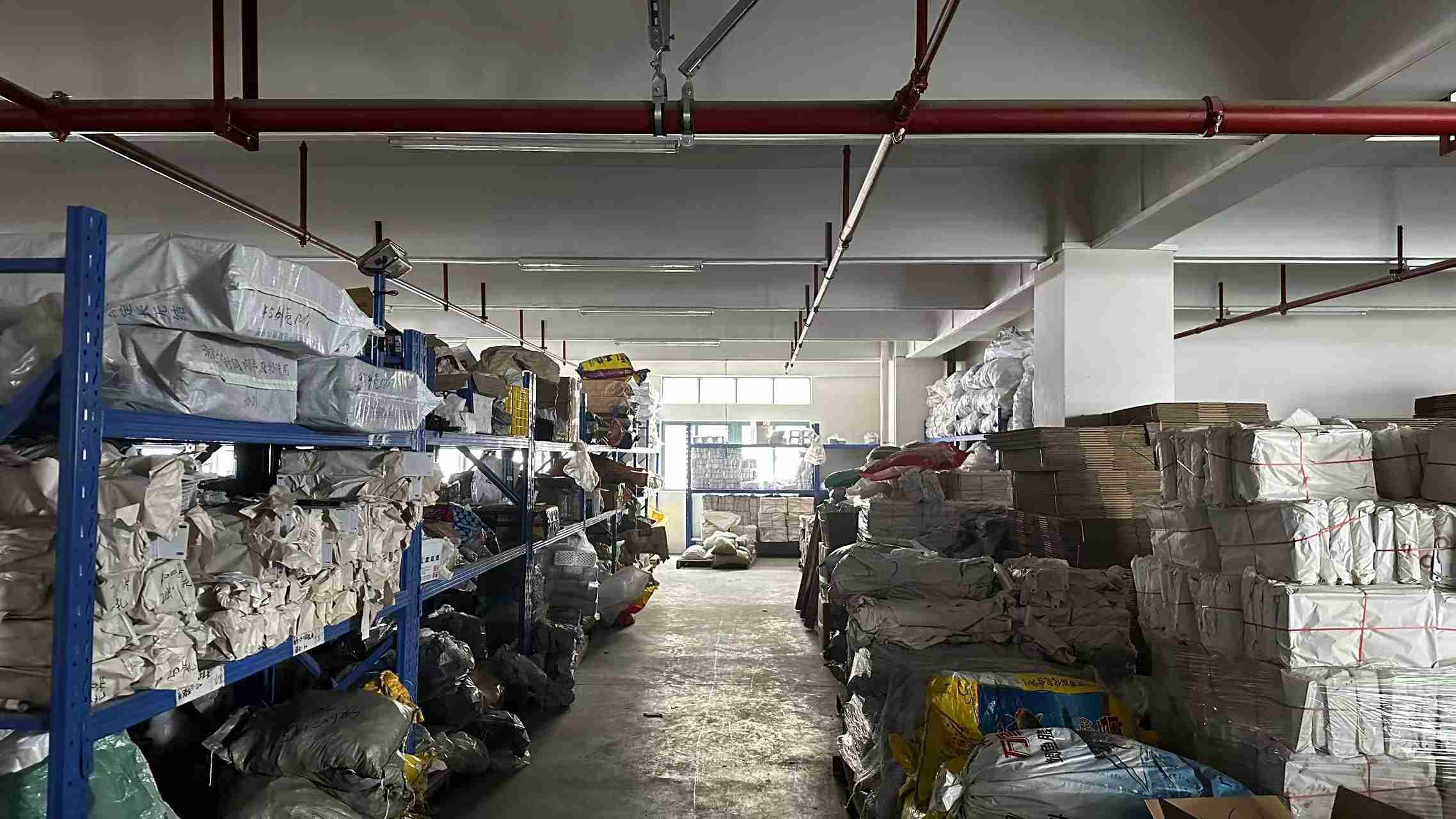
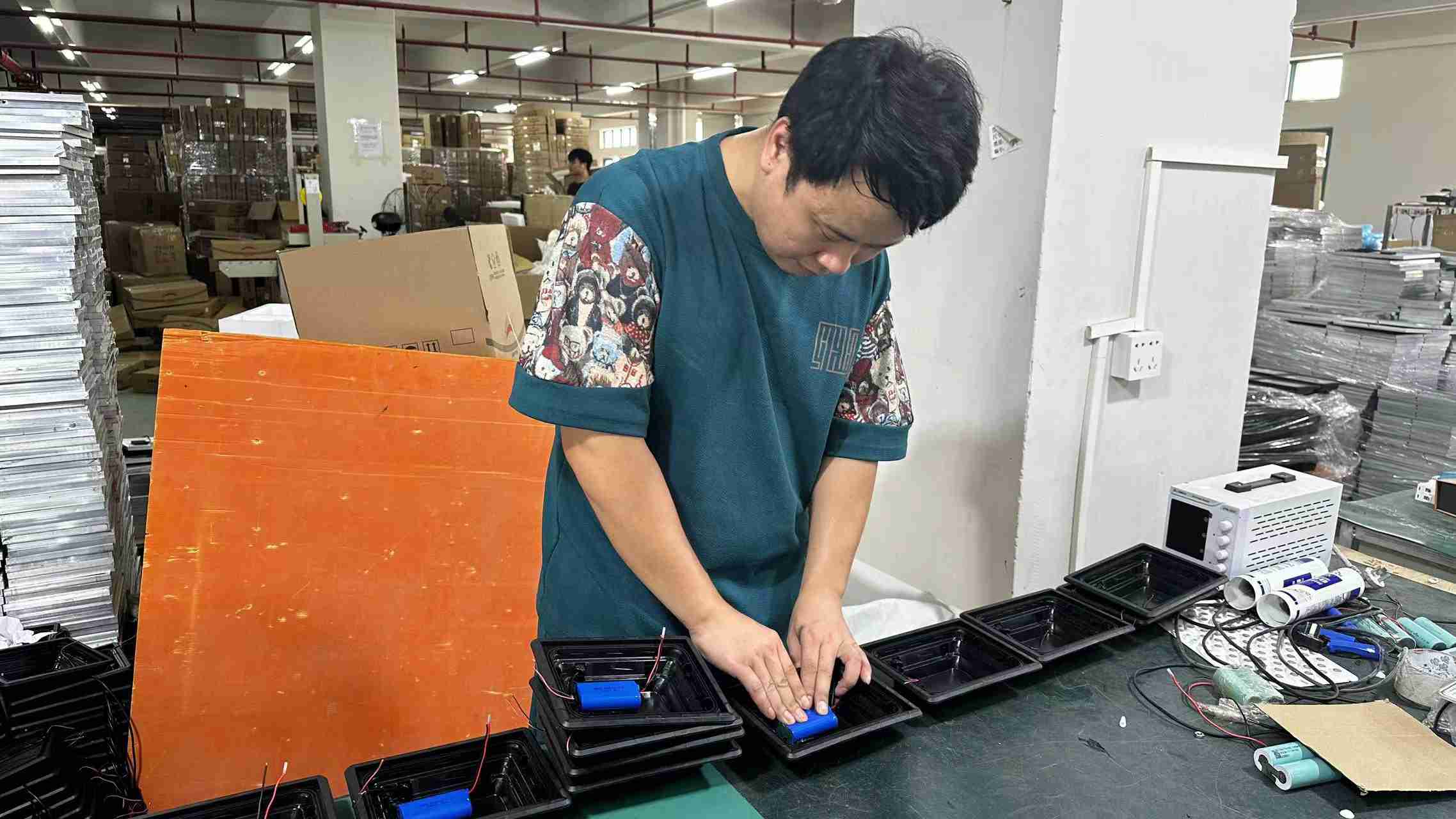
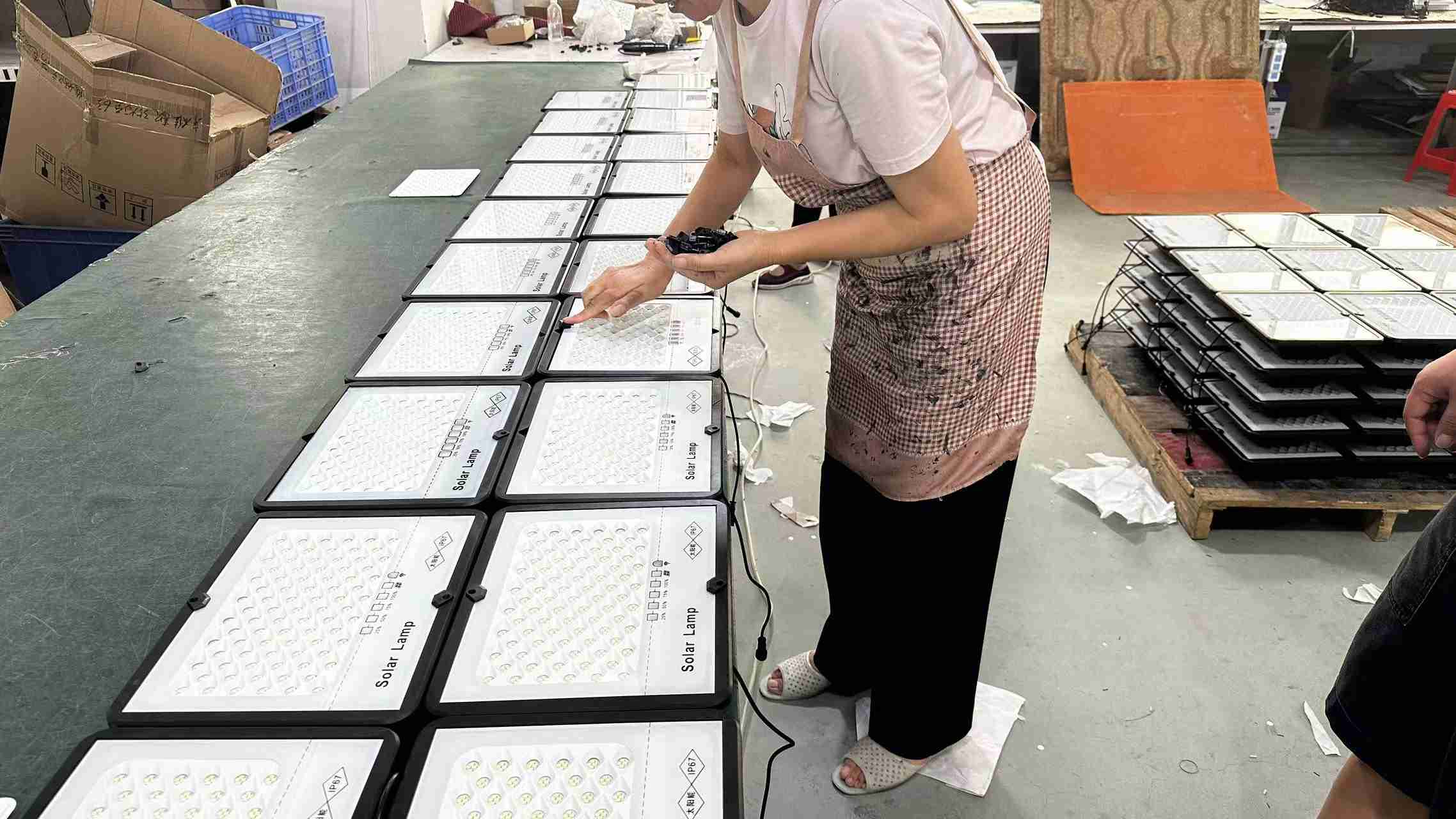
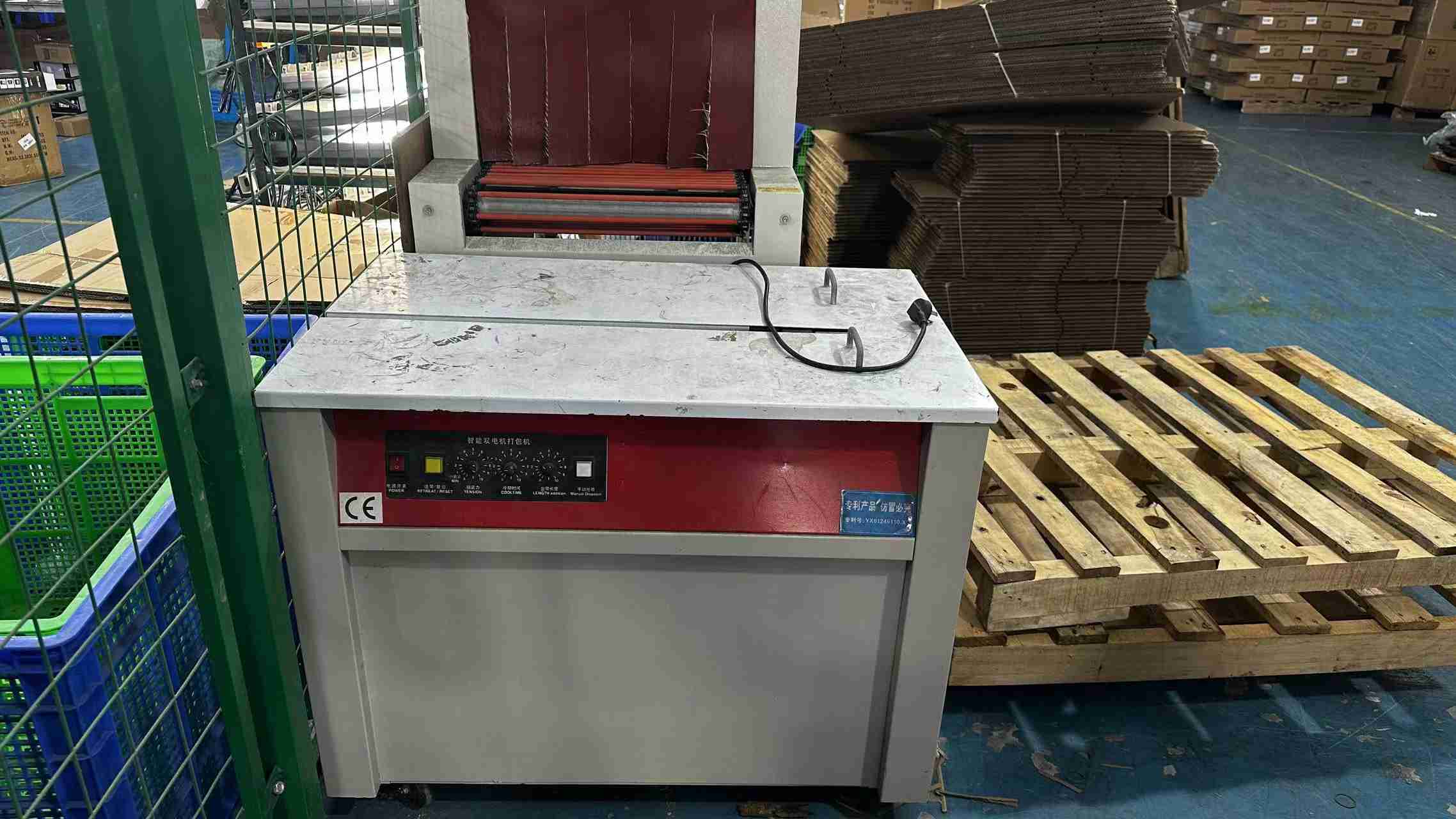
The global solar lighting supply chain has evolved. Our Ningbo-based manufacturing facility represents the pinnacle of "Factory 4.0" integration. By utilizing automated precision soldering, AI-driven optical inspection, and rigorous environmental simulation chambers, we ensure that every unit exported to Seoul can withstand the unique climatic challenges of the region.
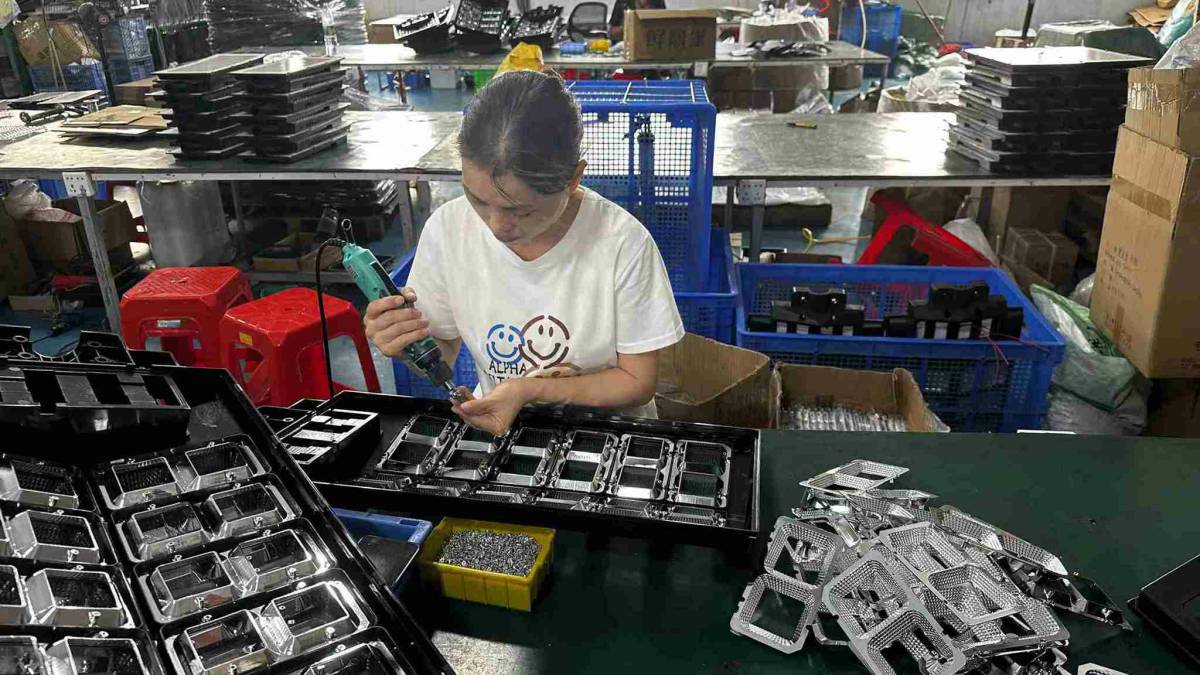
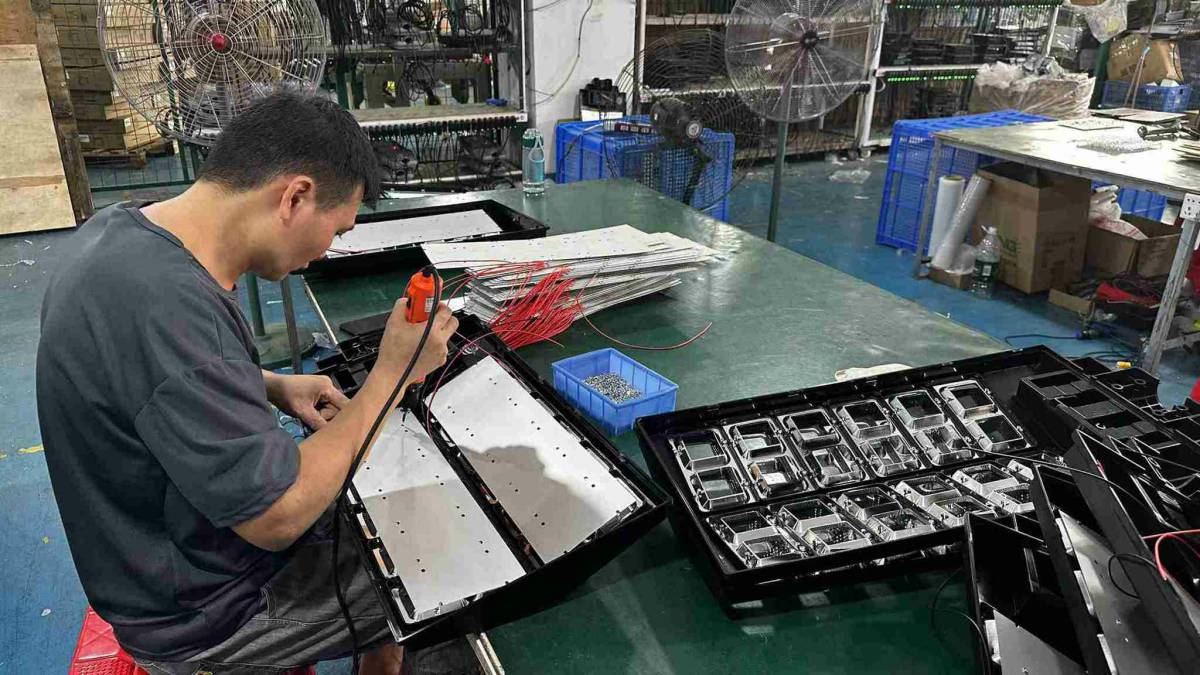
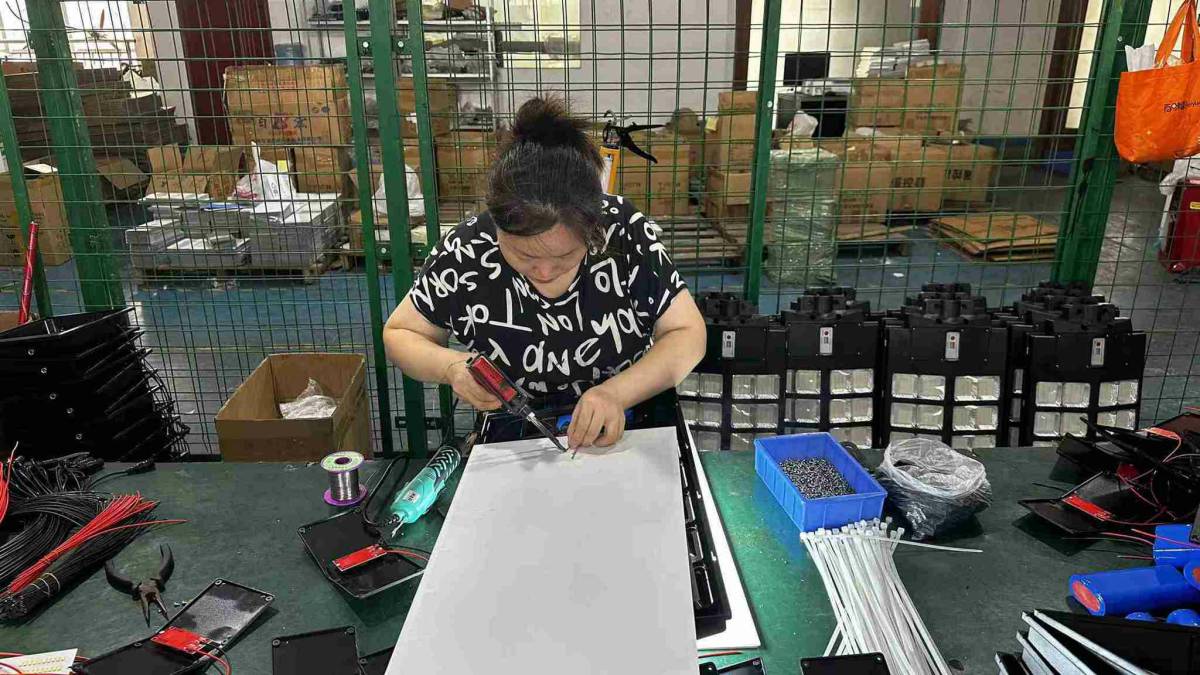
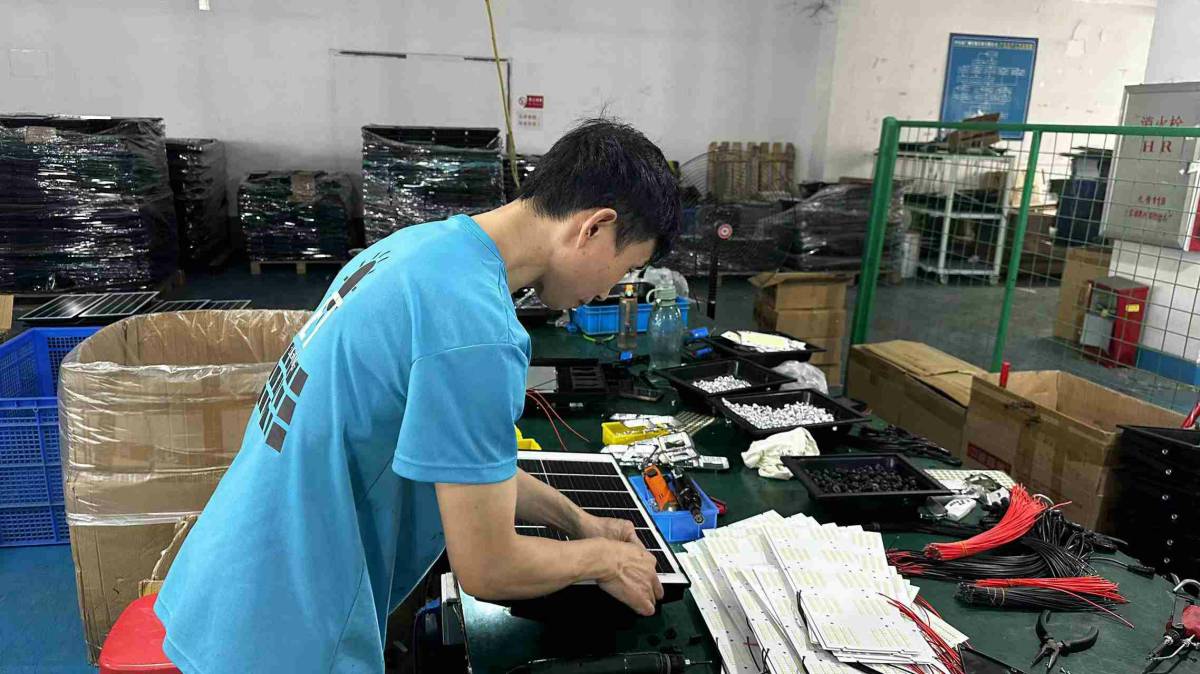
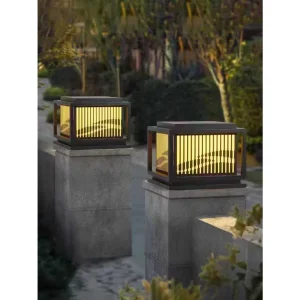
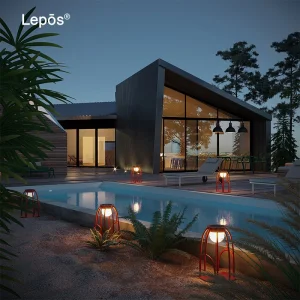
From Incheon's coastal walkways to the rooftop gardens of Songdo, our lighting defines modern spaces.
Global procurement specialists for commercial real estate in Korea prioritize Total Cost of Ownership (TCO). While initial costs are a factor, the longevity of the LED chips and the degradation rate of the photovoltaic cells are the true metrics of quality. Ningbo Cappy Light addresses this by using Monocrystalline Silicon panels with conversion efficiencies exceeding 21%—the gold standard for high-latitude cities like Seoul.
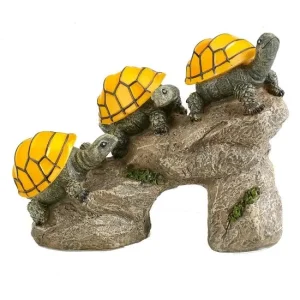
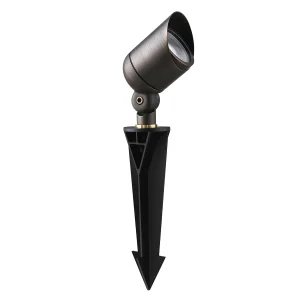
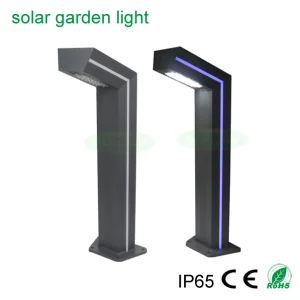
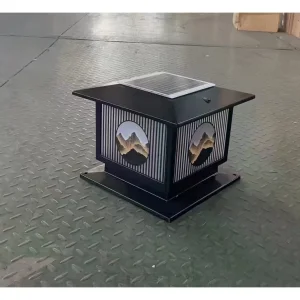
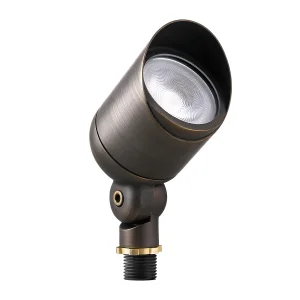
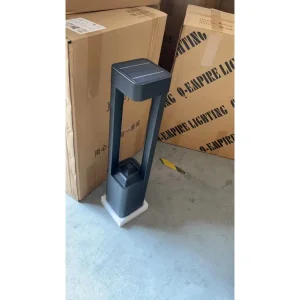
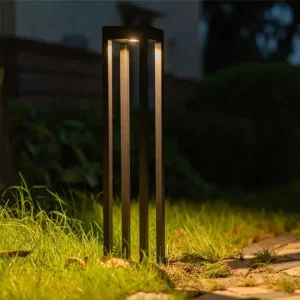
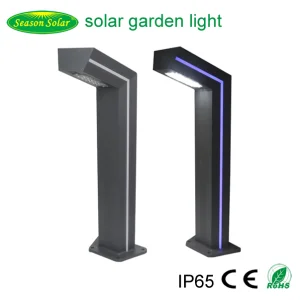
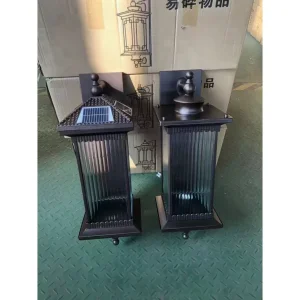
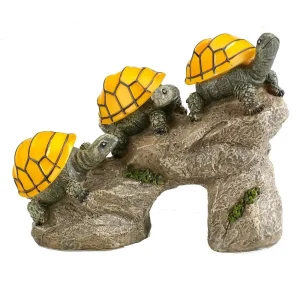
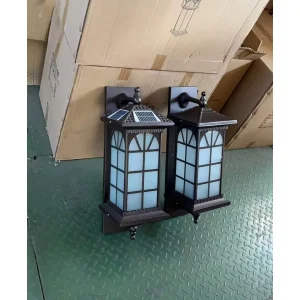
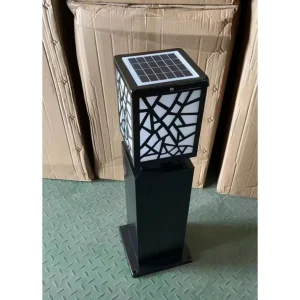
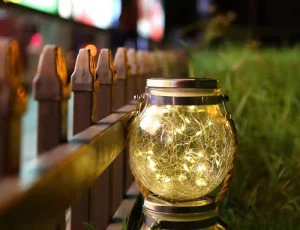
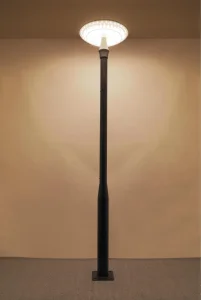
A comprehensive range of accent lighting for deck, rock gardens, and pathway illumination.
Founded in 2004, Ningbo Cappy Light Co., Ltd. has grown from a visionary start-up into a global leader in outdoor and solar lighting solutions. For over two decades, we have remained committed to a single mission: delivering sustainable lighting that combines cutting-edge technology with environmental responsibility. Our products illuminate spaces around the world while protecting the planet.
Our Mission: To lead in user-centric outdoor lighting solutions while safeguarding the Earth’s future through innovation, quality, and sustainability. This mission guides every decision we make—from product design and manufacturing to material selection and packaging.
Expert insights for Seoul-based importers and lighting designers.
A: For standard catalog items, our lead time is 25-30 days. For custom OEM/ODM projects tailored for Seoul municipal projects, it ranges from 40-50 days including prototyping and testing.
A: Yes, we provide full support for KC certification on our core product lines. Our factory is already ISO 9001:2015 certified, ensuring consistent quality that meets Korean import standards.
A: We utilize low-temperature resistant LiFePO4 batteries and specialized controller ICs that optimize charging even under low solar radiation, ensuring reliable performance in temperatures as low as -20°C.
A: Absolutely. We offer adjustable CCT ranging from 2700K (Warm White) to 6000K (Cool White) to match the architectural aesthetic of specific districts like Gangnam or the traditional Bukchon Hanok Village.
 Cappy Light