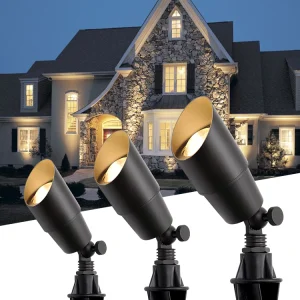
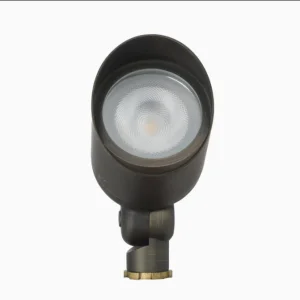
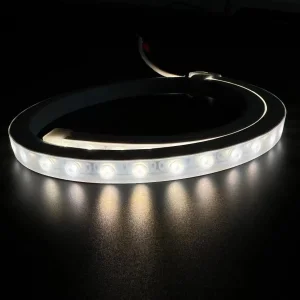
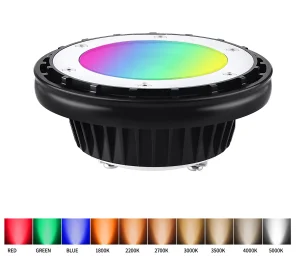
Engineered for immediate integration into premium resorts, diplomatic enclaves, and public municipal projects in Malabo and Bata.
Equatorial Guinea is executing strategic national development frameworks, catalyzed by major urban planning initiatives across Malabo, Bata, and the rising administrative hub of Ciudad de la Paz. High-end real estate developments, luxury coastal resorts like Sipopo, and public infrastructure updates require premium exterior illumination. However, lighting engineering in this equatorial microclimate presents severe physical demands that standard architectural products cannot withstand.
The Gulf of Guinea presents some of the highest relative humidity indexes in the world, averaging between 80% to 90% year-round, alongside prolonged rainy seasons characterized by intense, heavy rainfall. Coastal properties are exposed to corrosive marine aerosols (salt spray), creating a high-salinity environment classified as C5-M under ISO 12944 standards. When standard low-grade aluminum or iron fixtures are installed in these areas, electro-galvanic corrosion and water intrusion occur rapidly, leading to electrical failures and oxidized enclosures within months.
For projects requiring structural durability, the industry standard has shifted to low-voltage (12V/24V) landscape lighting systems. These low-voltage configurations offer crucial advantages: safety in saturated soils, high energy efficiency when paired with advanced LED drivers, and seamless integration with localized solar grids and off-grid micro-generators popular across remote sites in the Bioko and Litoral regions.
To ensure reliability in humid, equatorial conditions, landscape architectural plans must specify materials based on proven degradation thresholds:
Every landscape fixture we build goes through a comprehensive quality assurance protocol in our certified facility before shipping to Equatorial Guinea.
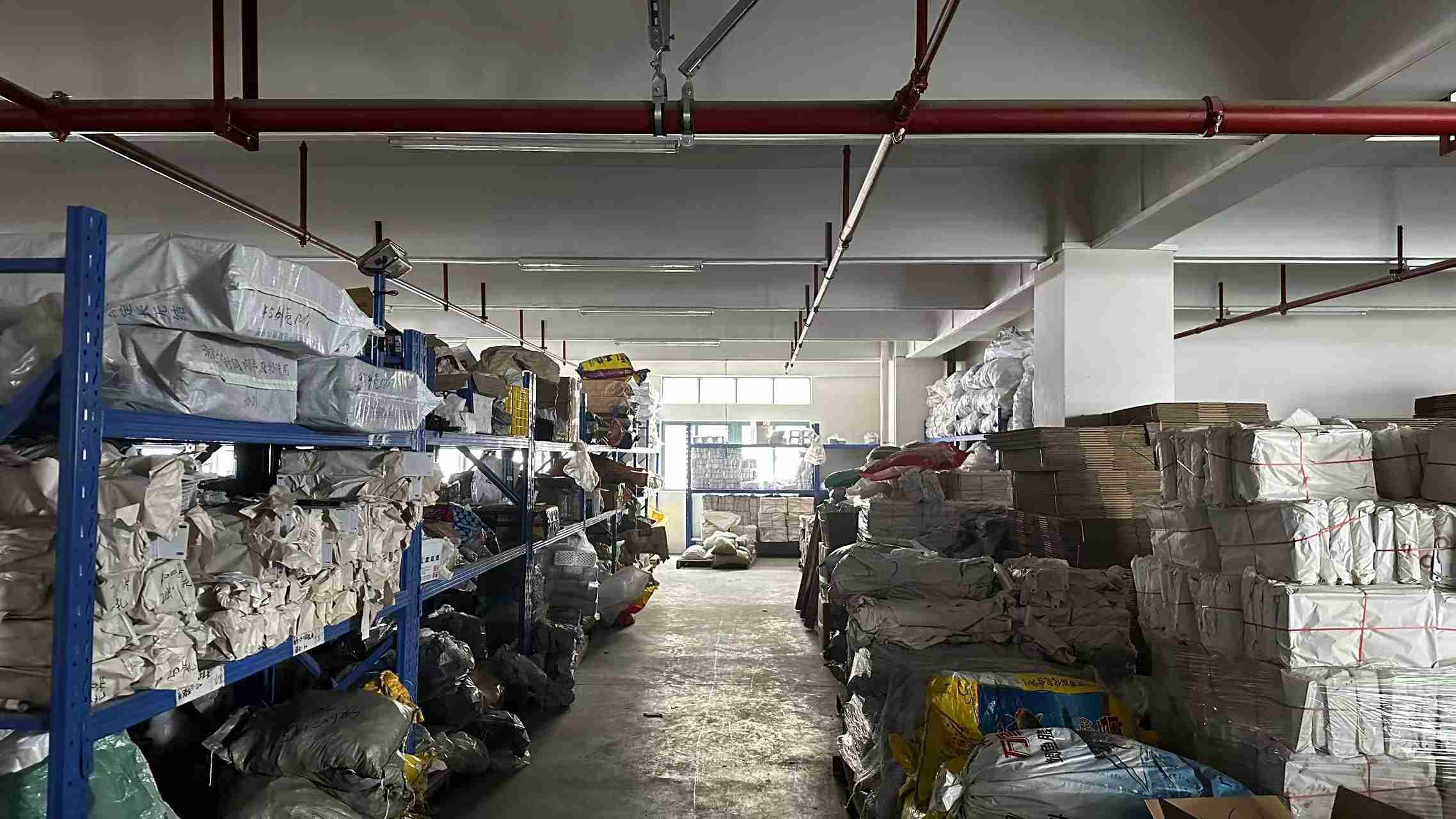
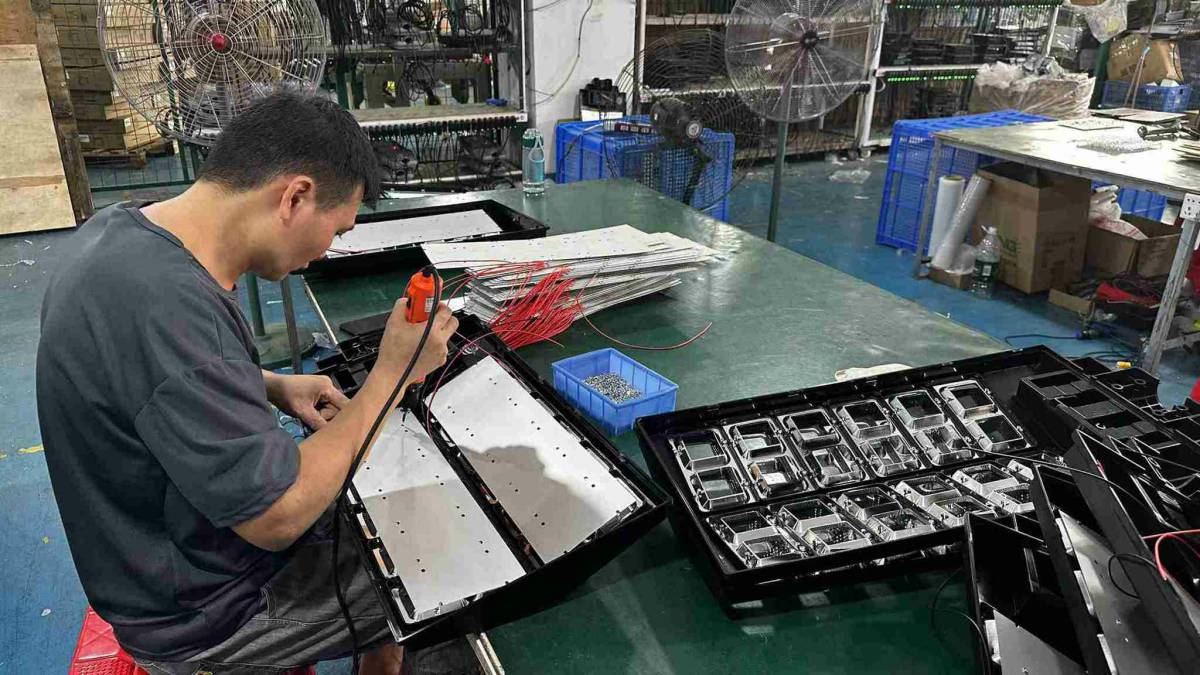
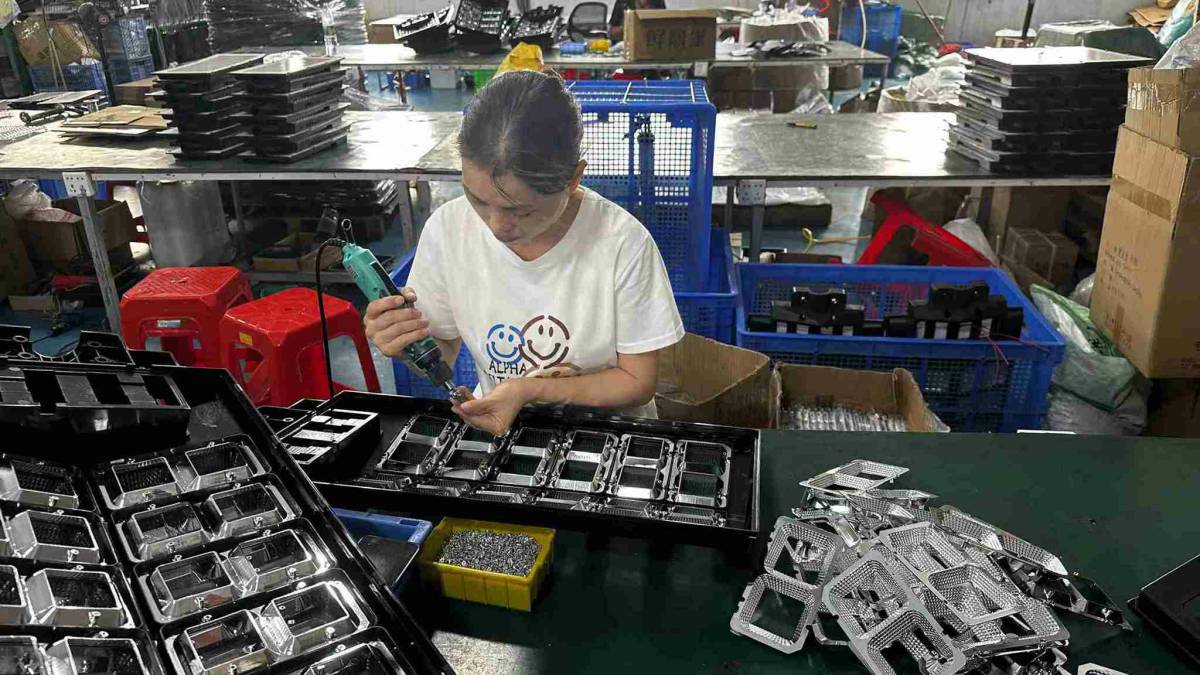
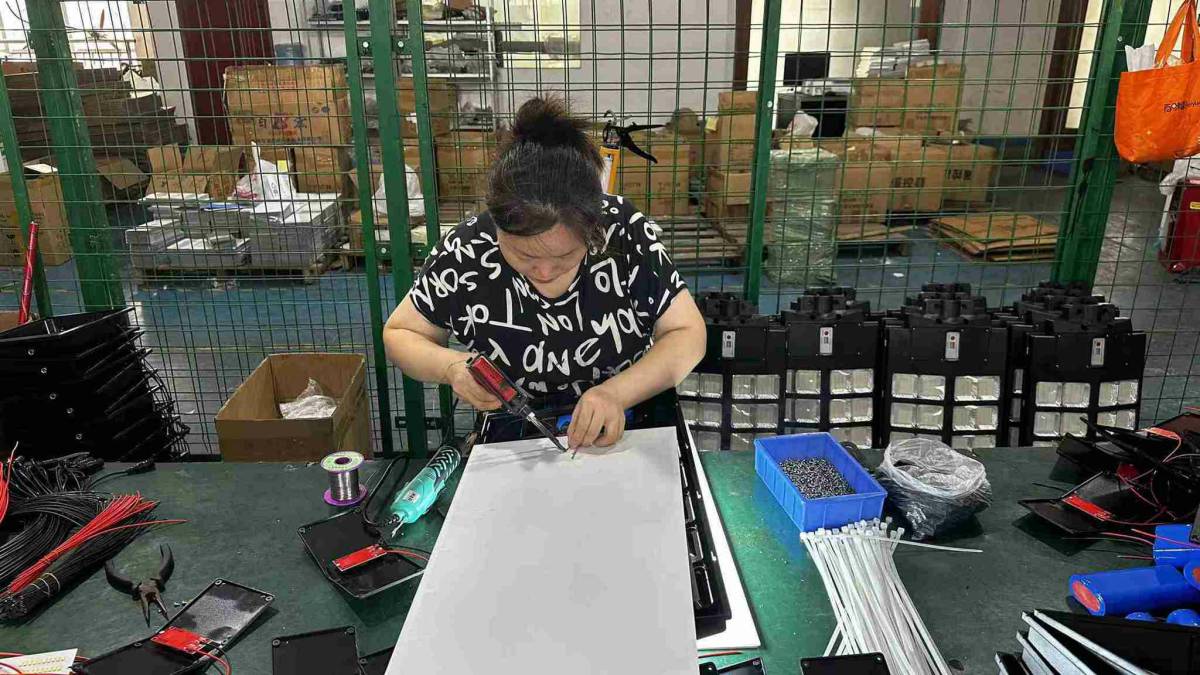
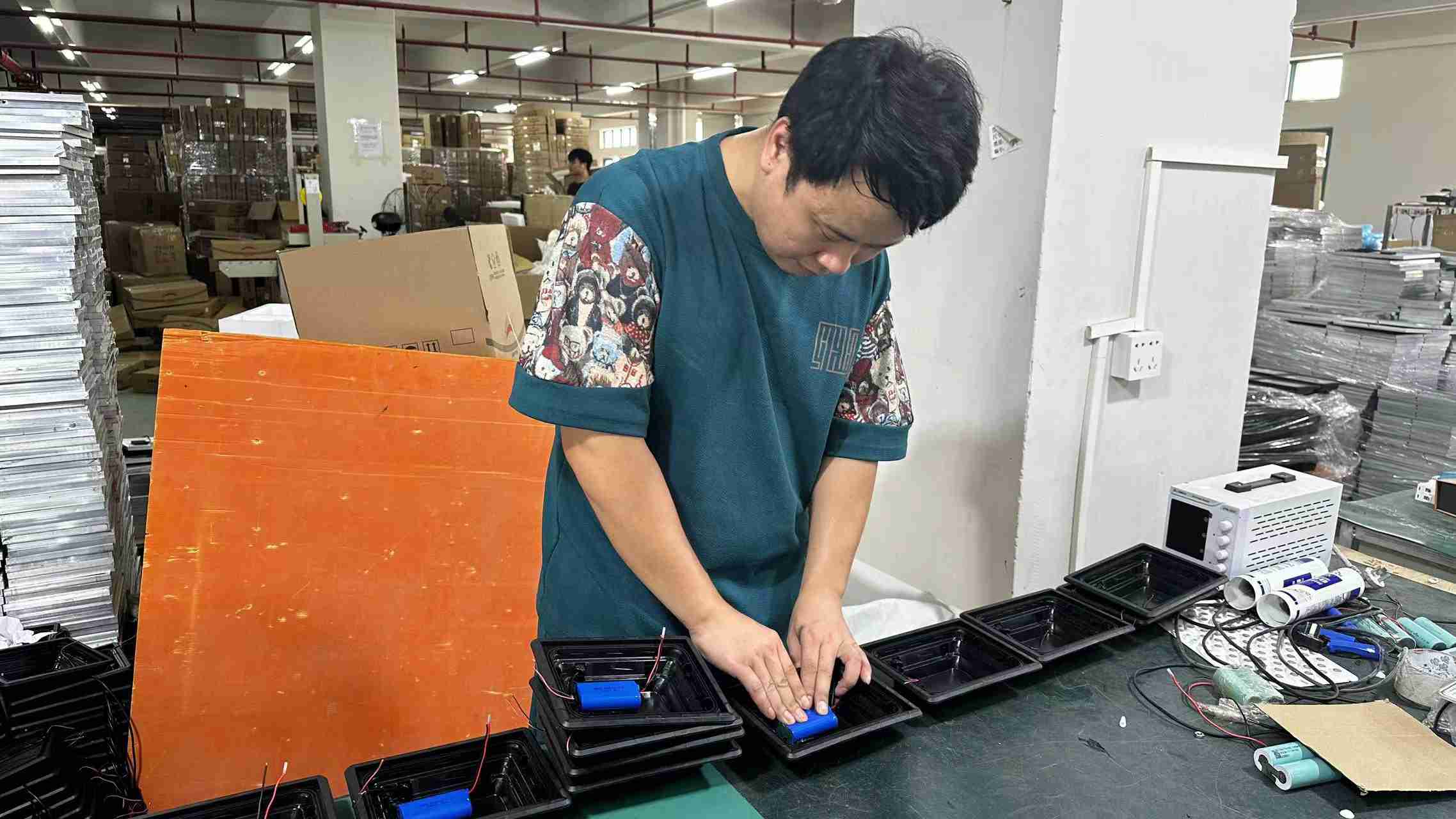
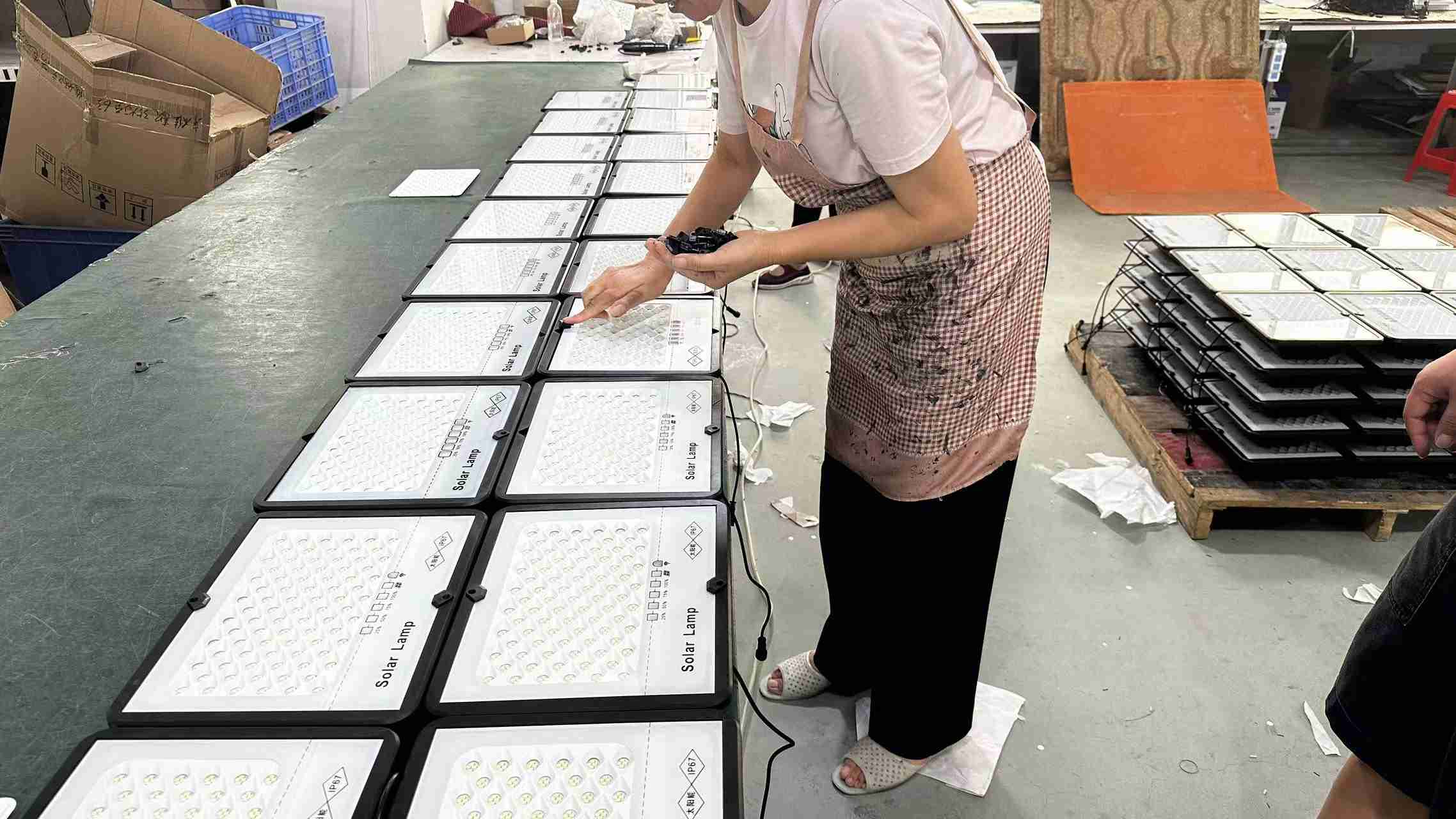
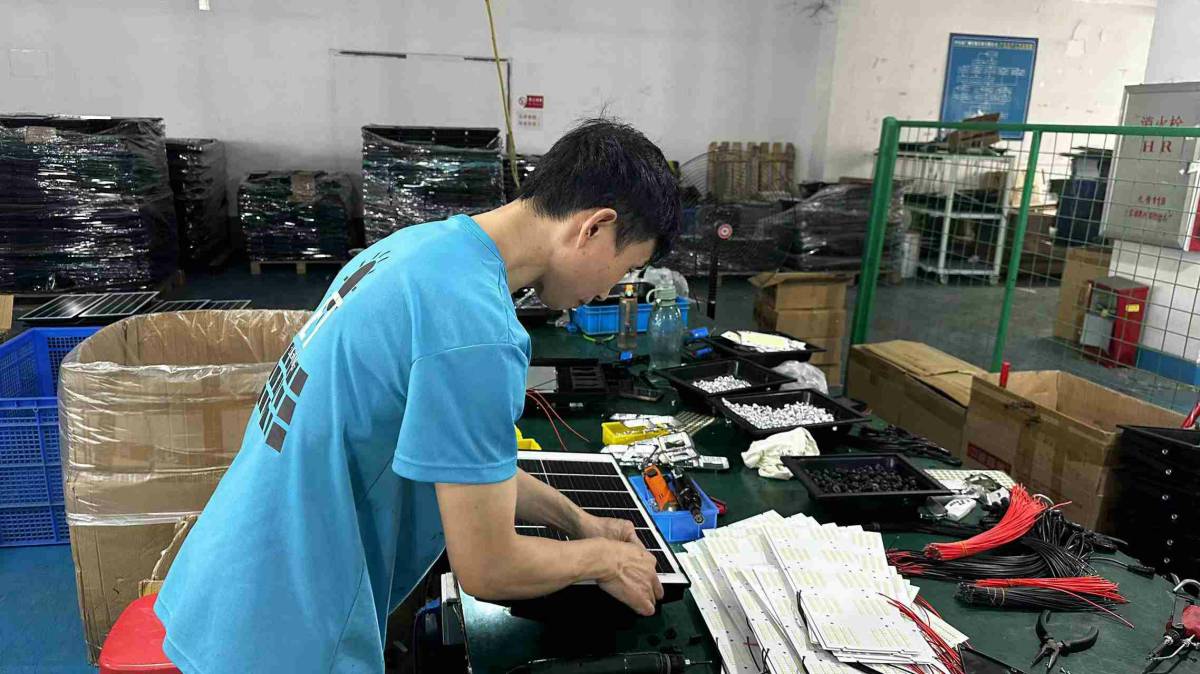
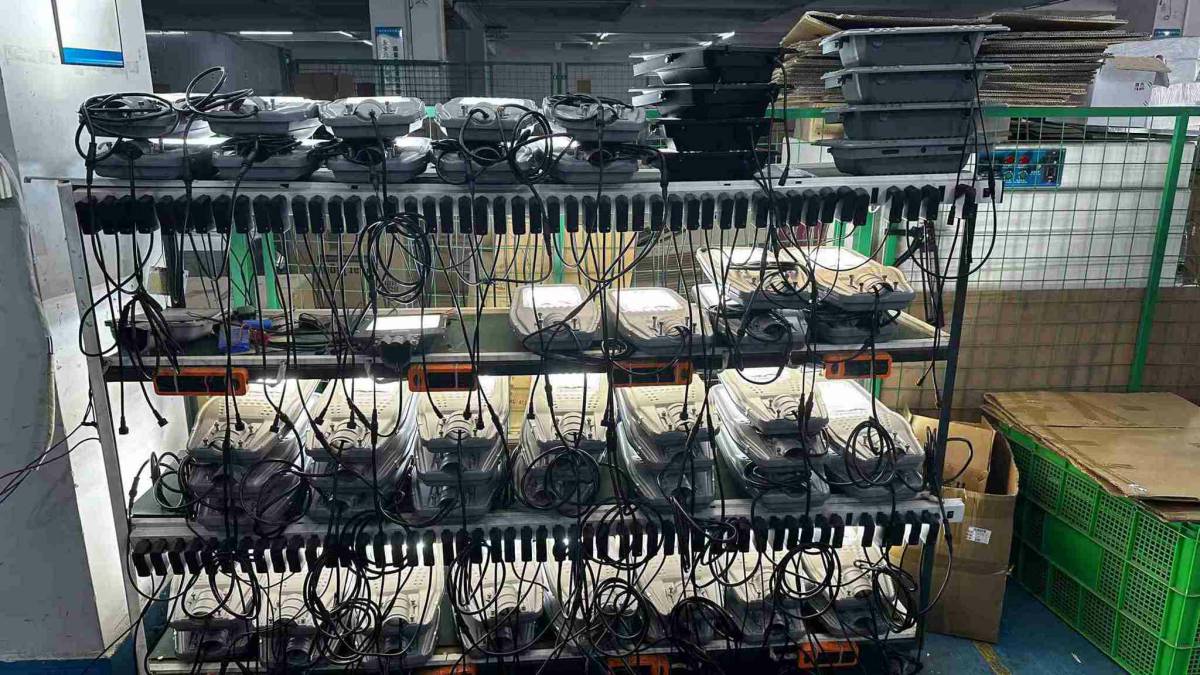
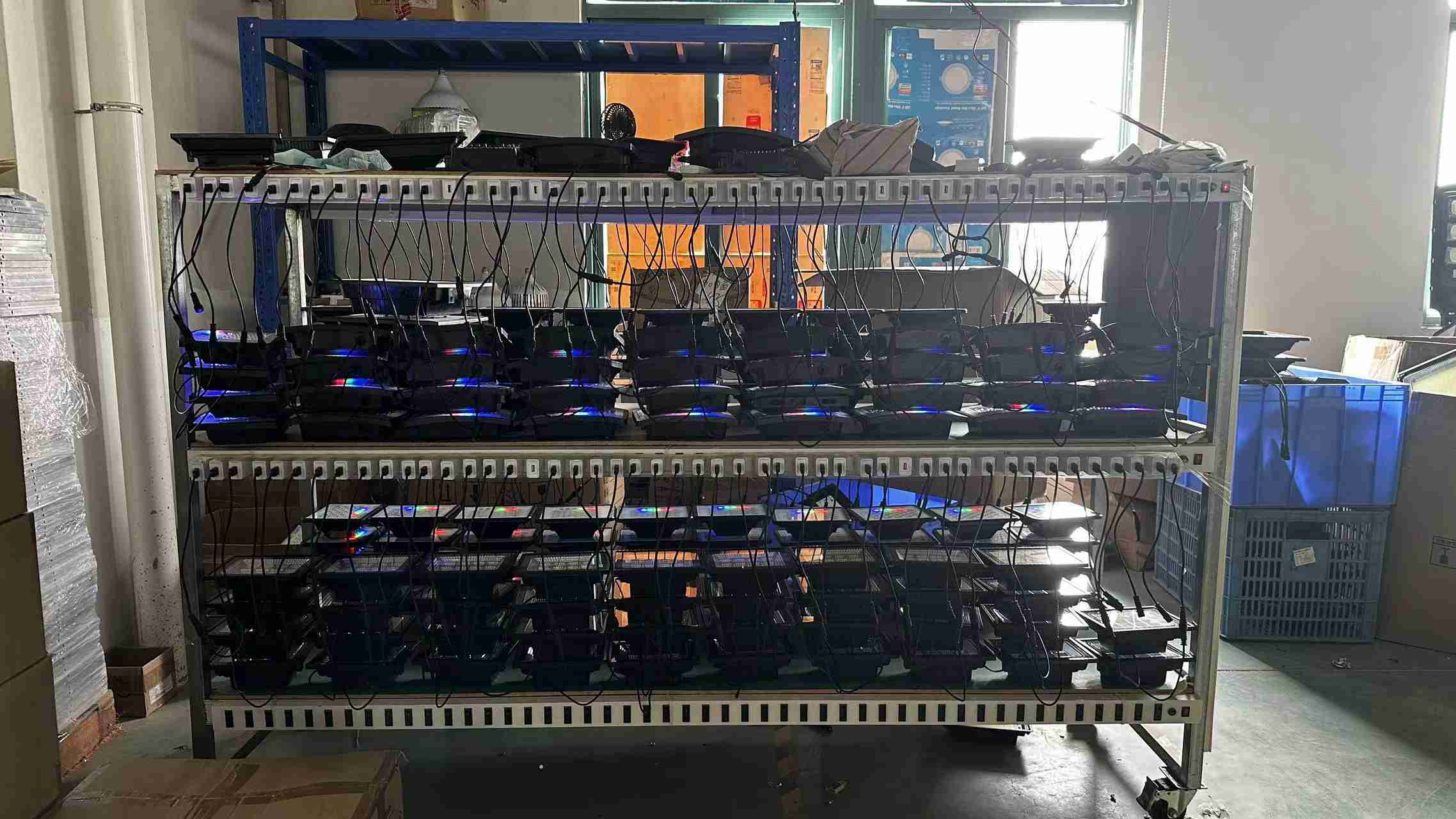
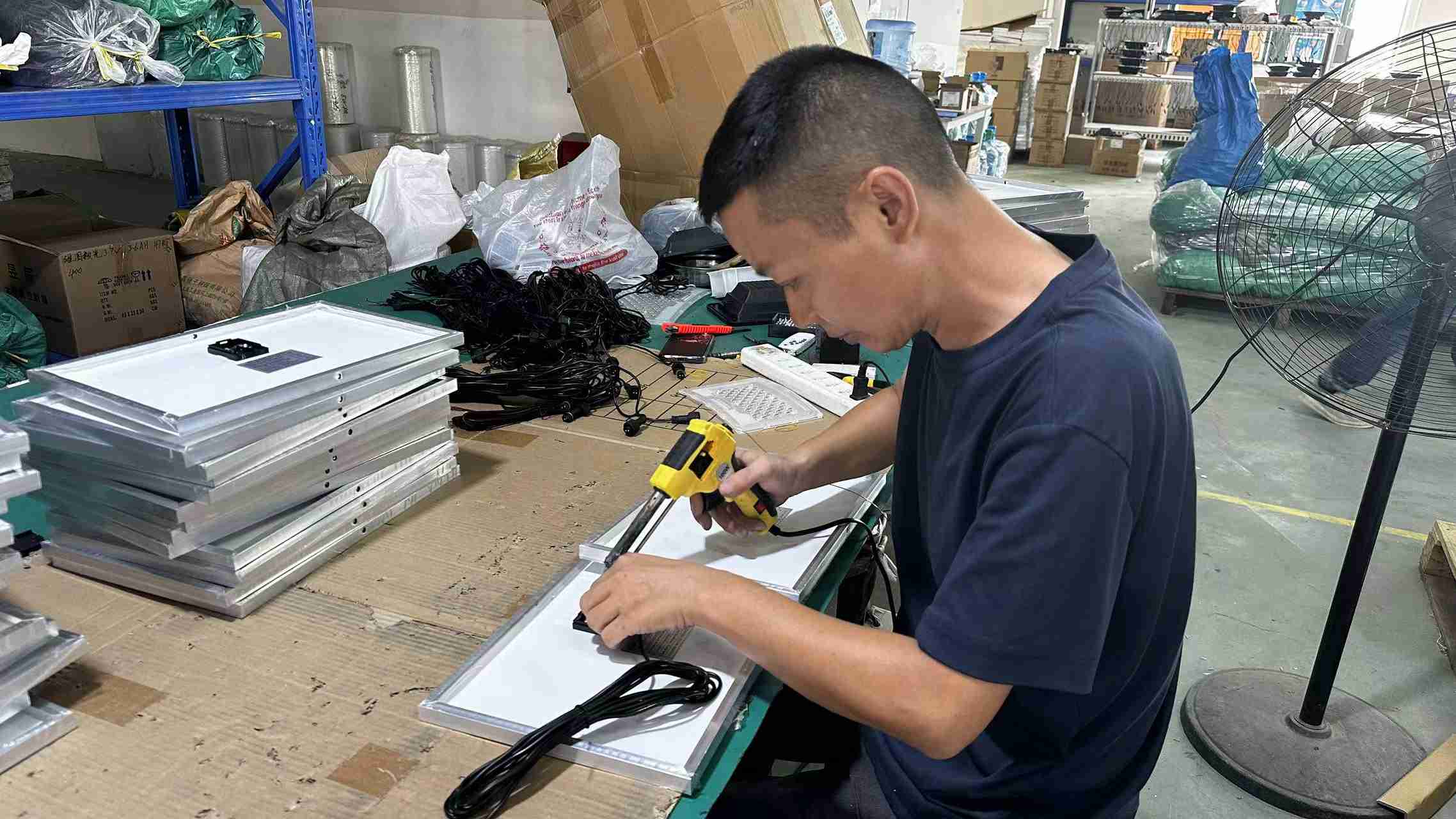
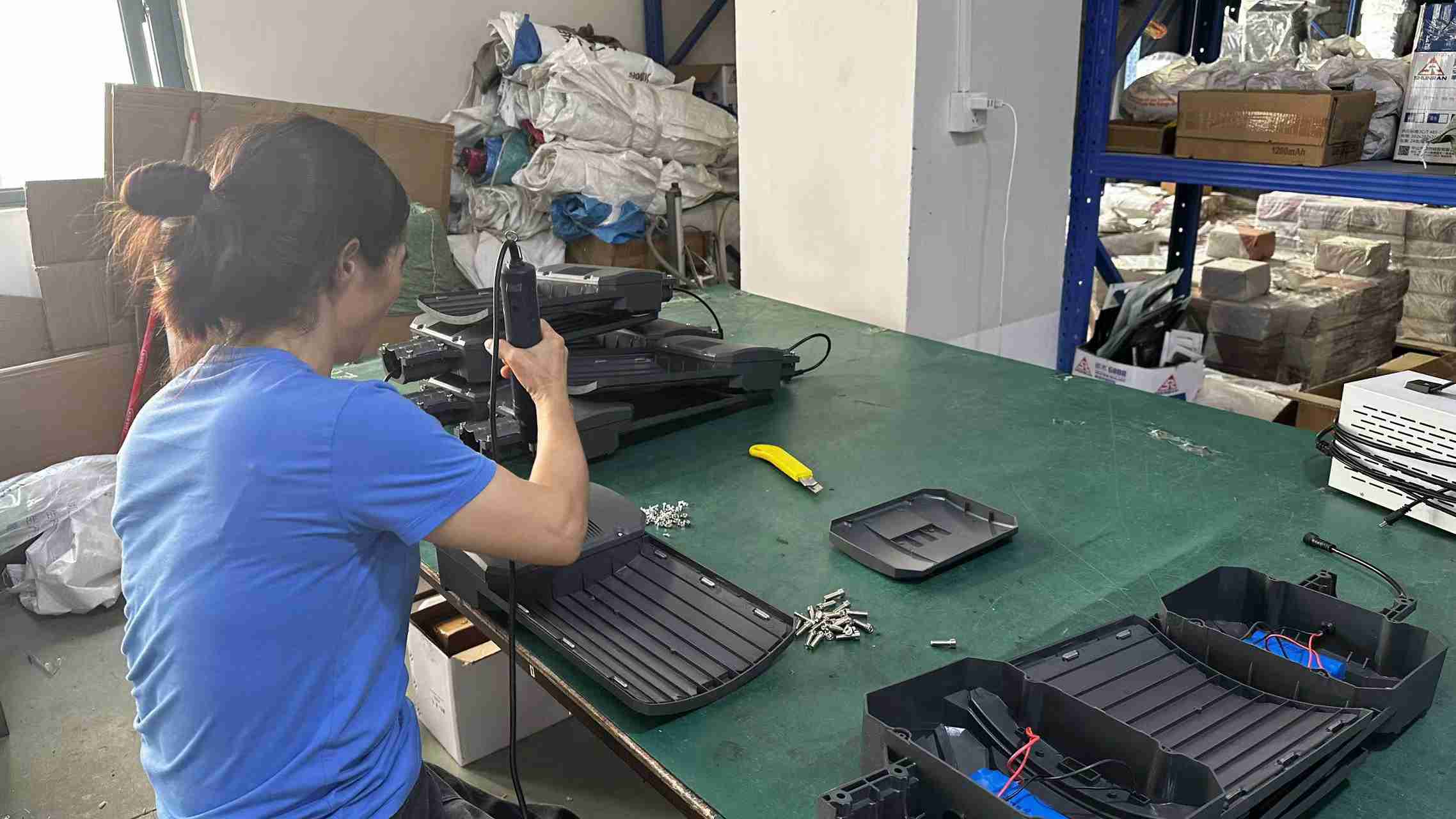
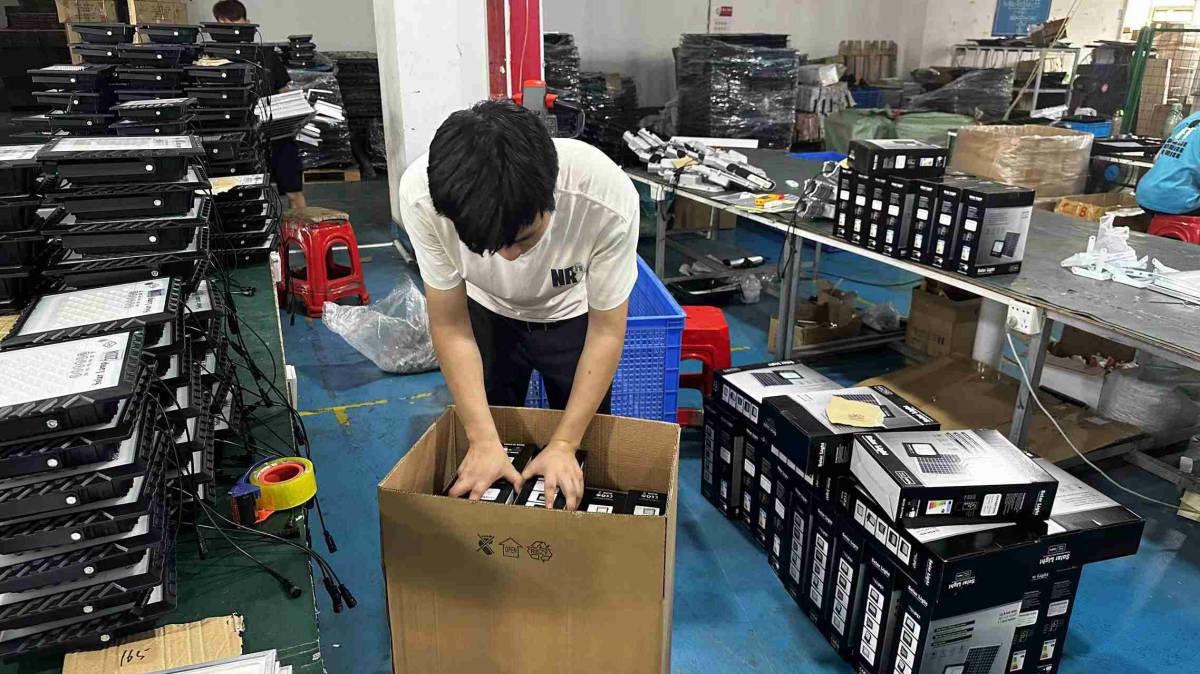
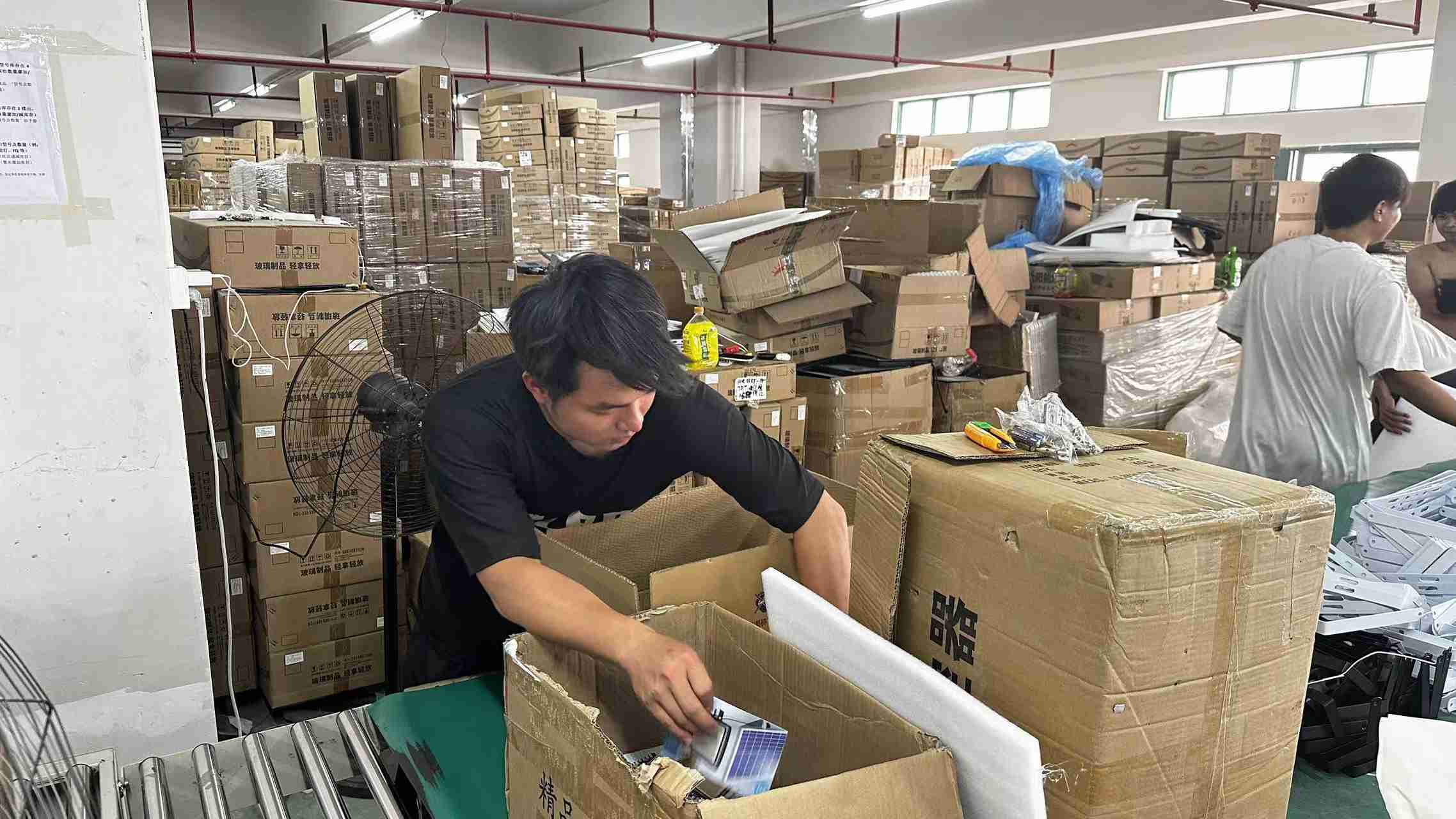
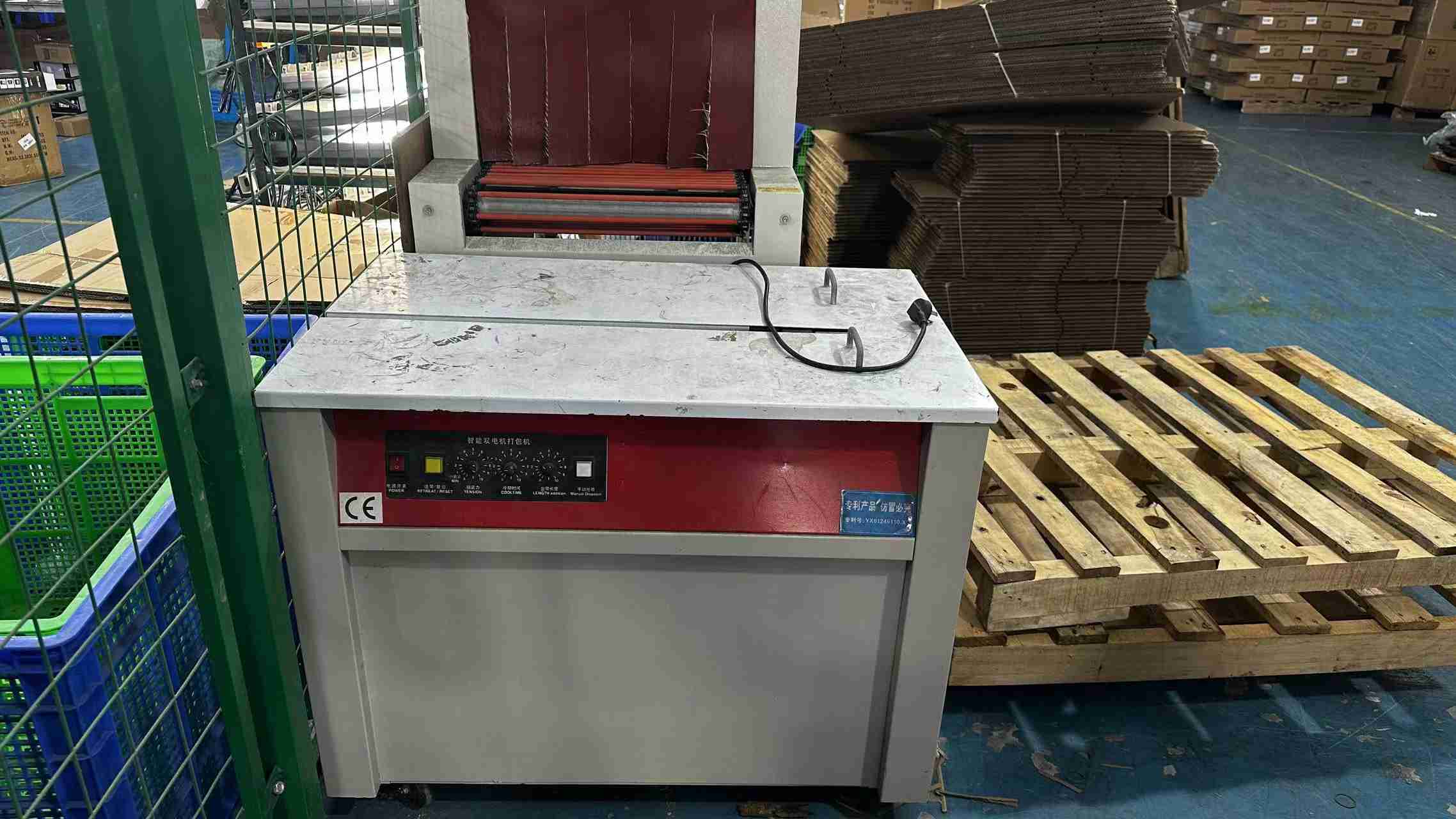
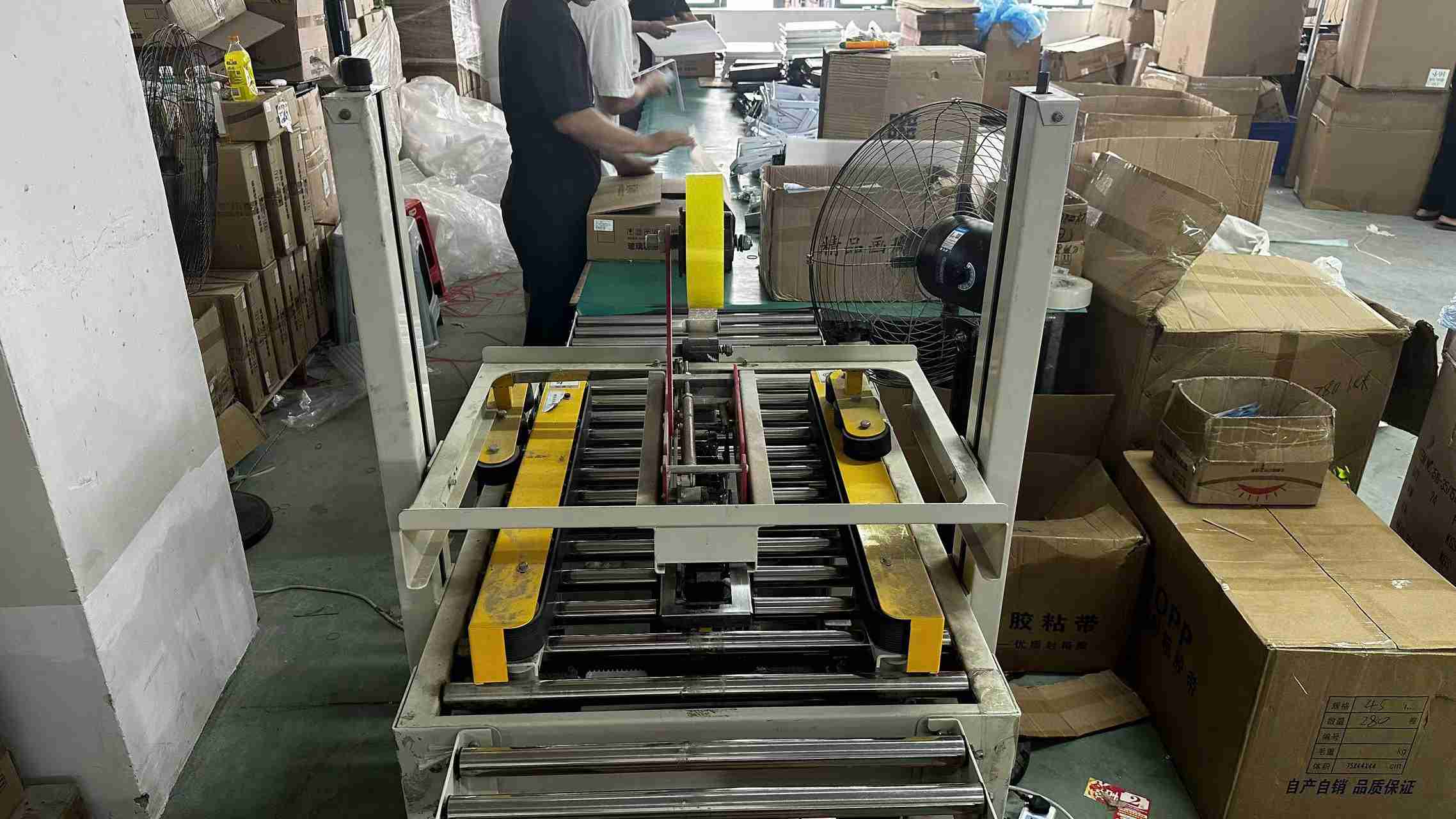
For buyers in Equatorial Guinea, sourcing directly from premium Chinese manufacturing hubs like Ningbo offers strategic supply chain advantages. Founded in 2004, Ningbo Cappy Light Co., Ltd. has evolved from a visionary start-up into a global leader in outdoor and solar-hybrid lighting solutions. We offer high levels of material traceability, precision CNC machining, and quality assurance workflows that are difficult for local regional distributors to replicate.
By sourcing directly from our factory, project developers in Malabo and Bata can bypass intermediary markups, access bespoke OEM/ODM design services, and procure architectural-grade fixtures built to their precise specifications. We manage the entire manufacturing cycle—from raw material testing and chemical pre-treatment to precision machining, manual soldering, rigorous multi-stage testing, and export-compliant wrapping. This level of quality control ensures each luminaire operates reliably upon arrival.
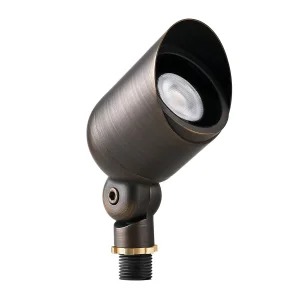
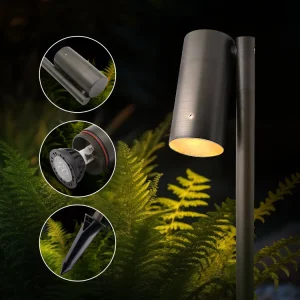
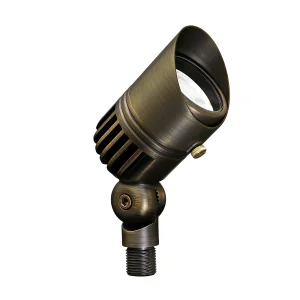
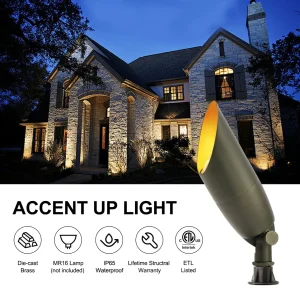
We combine high-performance thermal design with advanced ingress protection, allowing us to deliver reliable low-voltage landscape solutions. Our solid brass, copper, and specialized alloy products are built to withstand the demands of heavy tropical rainfall and coastal salt-spray exposure.
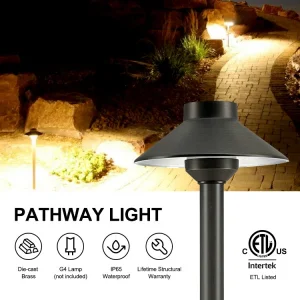
Different project environments across Equatorial Guinea require specific low-voltage lighting solutions:
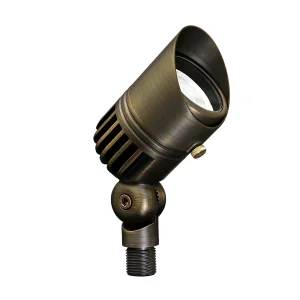
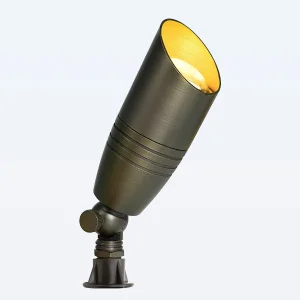
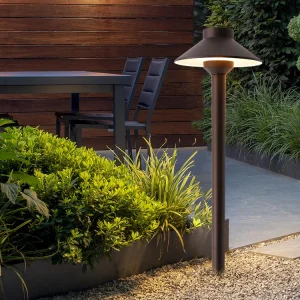
Professional-grade low voltage luminaires designed for heavy-duty commercial and municipal landscape integration.
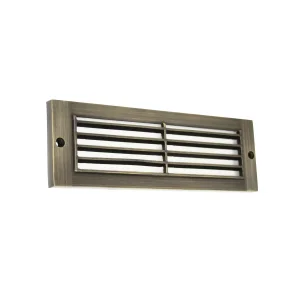
High-specification linear lighting, sub-surface uplights, and customizable PAR36 lamps designed for complex lighting configurations.
Procuring industrial-grade landscape lighting from China for deployment in Equatorial Guinea requires a clear strategy covering technical compliance, protective packaging, and shipping coordination. Given the long transit times via oceanic freight lanes, ensuring product quality before departure is essential to prevent costly project delays in Malabo or Bata.
At Ningbo Cappy Light Co., Ltd., we streamline international B2B procurement. We coordinate container loading, prepare custom export documentation, and implement protective packaging steps. We utilize dual-wall corrugated outer cartons, internal high-density molded foam stabilizers, and vacuum-sealed plastic wraps to protect components from moisture during maritime transit.
Our engineering services accommodate custom input voltages (e.g., customized toroidal transformers), target CRI (Color Rendering Index) ratings above 85, and specific optical beam configurations (from narrow 15° spots to wide 120° flood systems) to ensure compliance with architectural parameters.
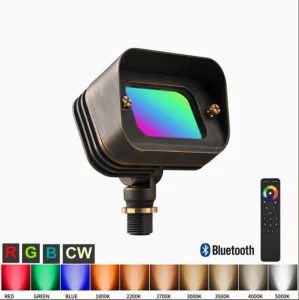
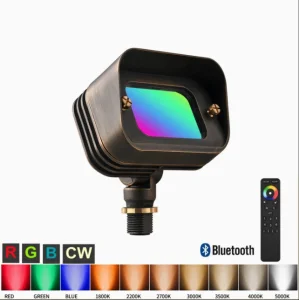
The global landscape lighting market is experiencing a significant shift toward smart integration and hybrid power architectures. For markets in Equatorial Guinea, these developments present opportunities to design future-ready lighting systems:
Expert answers regarding structural specifications, logistics, and material engineering for projects in Central Africa.
The coastal zone of Malabo is a high-salinity environment (ISO Corrosivity Class C5-M). Solid brass is a copper-zinc alloy that does not rust when exposed to saltwater mist. Over time, it forms a natural protective patina. Standard aluminum, even if coated, is susceptible to galvanic corrosion if the paint layer is scratched, which can cause oxidation and housing failures.
High average rainfall and wet soil conditions in Equatorial Guinea increase the risk of electrical shock. A 220V electrical leak caused by damage from landscape tools or water entry can be hazardous. Low-voltage (12V/24V) systems operate within safety thresholds, preventing hazardous shocks even in saturated ground conditions.
Yes. Our low-voltage fixtures are highly compatible with DC power grids. By using a DC-to-DC driver, you can connect the lights directly to a 12V or 24V solar battery bank (such as LiFePO4). This bypasses the energy losses of DC-to-AC inverters, optimizing the efficiency of remote, off-grid projects.
We use high-temperature silicone O-rings, threaded metal seals, and specialized potting compounds inside the driver enclosures. These components prevent water ingress during rapid temperature drops, which can create a vacuum effect inside hot fixtures during sudden tropical rainstorms.
Each batch undergoes an continuous 12-hour aging test to verify electrical performance. For transit to Central Africa, we pack our products in export-ready double-wall cartons with custom-molded foam inserts and protective plastic wraps. This minimizes moisture exposure during maritime shipping.
Connect with our technical sales team for spec sheets, IES files, pricing, and custom OEM options for projects in Equatorial Guinea.
Send Inquiry Now Cappy Light