Engineered specifically to balance direct grid power with off-grid solar-wind autonomy, delivering 100% lighting uptime in coastal and remote Pacific installations.
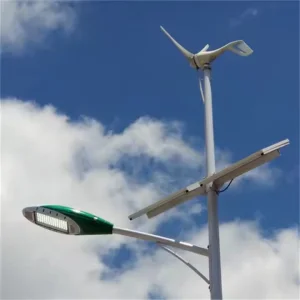
Why localized microgrids require hybrid AC/DC intelligent switching technology.
Kiribati, an archipelagic nation composed of 32 atolls and one raised coral island spanning across 3.5 million square kilometers of the Pacific Ocean, faces some of the most critical energy security and infrastructural challenges on earth. Historically, the nation has relied heavily on imported diesel fuel to feed localized grids (primarily run by the Public Utilities Board - PUB - on South Tarawa). This reliance translates into electricity costs that are among the highest globally, while exposing the islands to volatile global oil market shocks and severe supply chain delays.
In response, the Government of Kiribati has targeted rapid transition towards sustainable infrastructure. However, standard off-grid solar solutions often suffer from severe limitations during extended rainy seasons, high cloud cover, and seasonal Pacific typhoons. Conversely, standard grid-tied structures are plagued by frequent grid instability and blackouts typical of small-scale isolated electrical grids.
Additionally, Kiribati’s geographic profile subjects any outdoor machinery to relentless maritime exposure. The atmospheric salt content is highly corrosive, and humidity routinely fluctuates between 80% and 90%. Industrial infrastructure projects here demand lighting fixtures that exceed generic outdoor standards. This is where high-durability manufacturing standards meet local application requirements: providing corrosion protection, wind survival dynamics up to Category 5 typhoons, and advanced battery thermal management system (BTMS) designs that resist degradation in sustained tropical temperatures.
Dual-power inputs switch seamlessly in milliseconds to guarantee continuous illumination even during complete municipal grid blackouts.
Engineered to survive high salinity environment with specialized coatings surpassing 300-hour intensive salt spray testing protocols.
Equipped with high-performance lithium iron phosphate batteries optimized for high temperature thresholds and extended cycles.
Decades of engineering excellence translated into high-reliability hardware for high-salinity island nations.
Founded in 2004, Ningbo Cappy Light Co., Ltd. has grown from a visionary start-up into a global leader in outdoor and solar lighting solutions. For over two decades, we have remained committed to a single mission: delivering sustainable lighting that combines cutting-edge technology with environmental responsibility. Our products illuminate spaces around the world while protecting the planet. Our mission guides every decision we make—from product design and manufacturing to material selection and packaging. At Ningbo Cappy Light, we believe that lighting the world should not come at the expense of environmental health. Our 20+ years of industry success reflect this philosophy.
Our core edge lies in Engineering Excellence. With a diverse portfolio of over 200 products, we position ourselves as trendsetters rather than followers, continually pushing the boundaries of outdoor lighting design and functionality. We specialize in seamlessly integrating solar, low-voltage (12V), and high-voltage systems into cohesive lighting solutions that perform reliably across diverse environmental conditions. Our products exceed rigorous 300-hour salt spray thresholds, ensuring exceptional longevity in coastal, high-humidity, and other demanding environments. Furthermore, we prioritize recyclable and environmentally friendly materials without compromising on performance, durability, or aesthetic appeal. Our latest designs incorporate intelligent control systems, energy-saving sensors, and IoT-enabled solutions to create adaptive, efficient lighting experiences.
Deploying automation, advanced quality inspection systems, and systematic validation methodologies to ensure failure-free remote operations.
Modern commercial project managers and municipal procurement officers understand that product failures in remote regions like Kiribati (including Christmas Island/Kiritimati) incur extreme maintenance overhead. Finding replacement parts or dispatching technicians across Pacific lagoons is prohibitively expensive. Therefore, manufacturing reliability must be engineered directly into the process.
By leveraging China's Factory 4.0 supply chain capabilities, Ningbo Cappy Light integrates end-to-end automation from raw component inspection to advanced aging tests. Using precise SMT manufacturing, automated soldering, computer-calibrated battery pack assembly, and rigorous physical environmental simulations, we ensure that every single hybrid light assembly departing our facility performs optimally in harsh equatorial conditions.
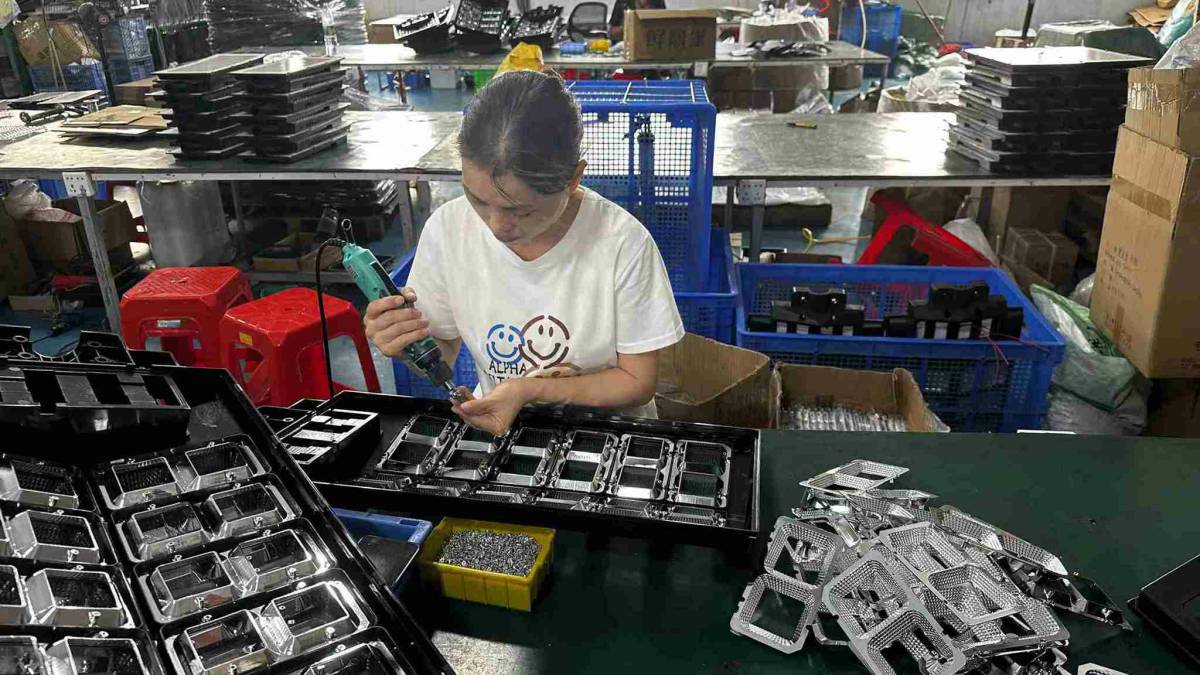
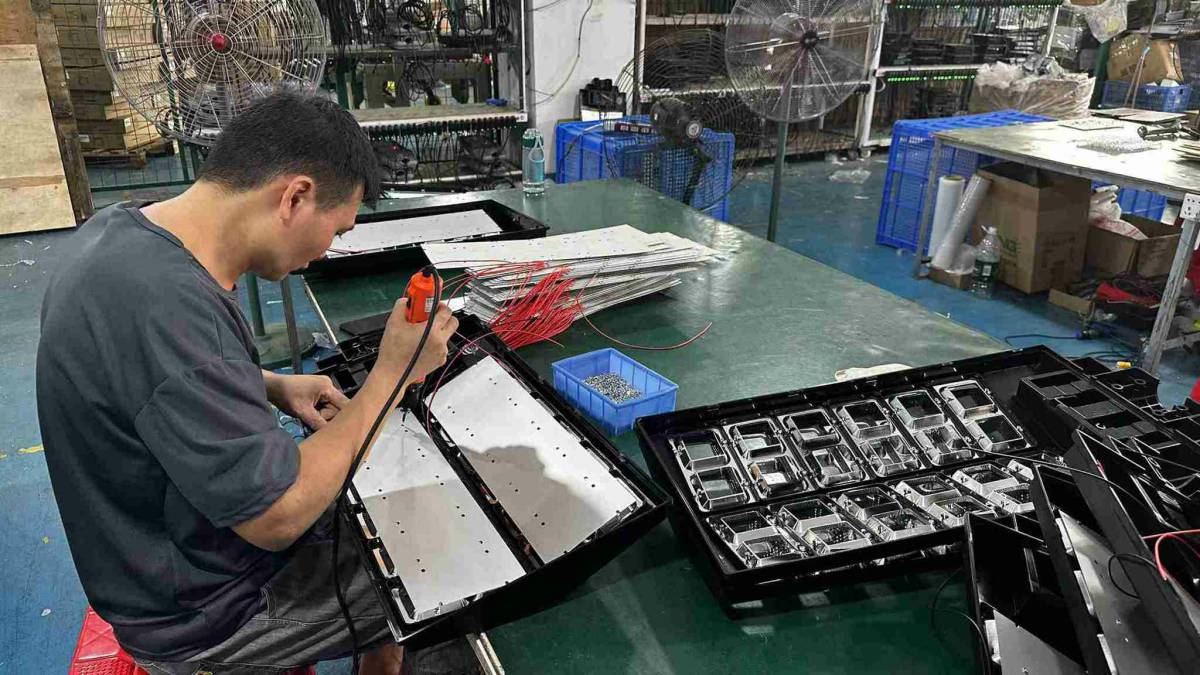
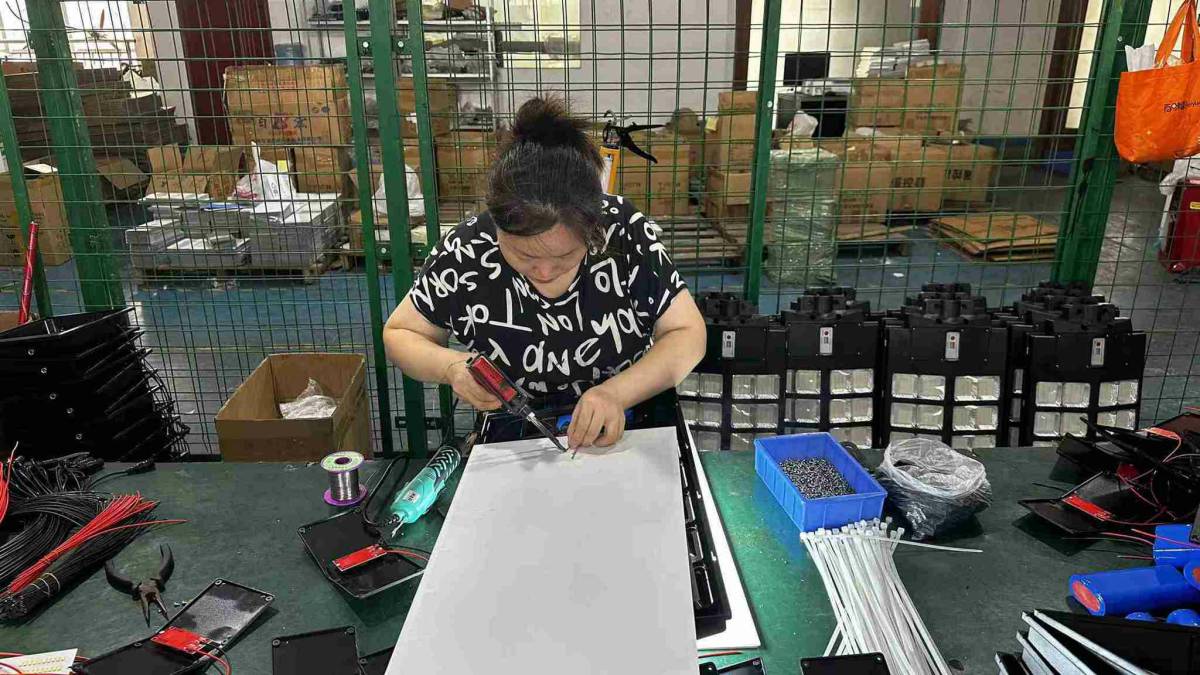
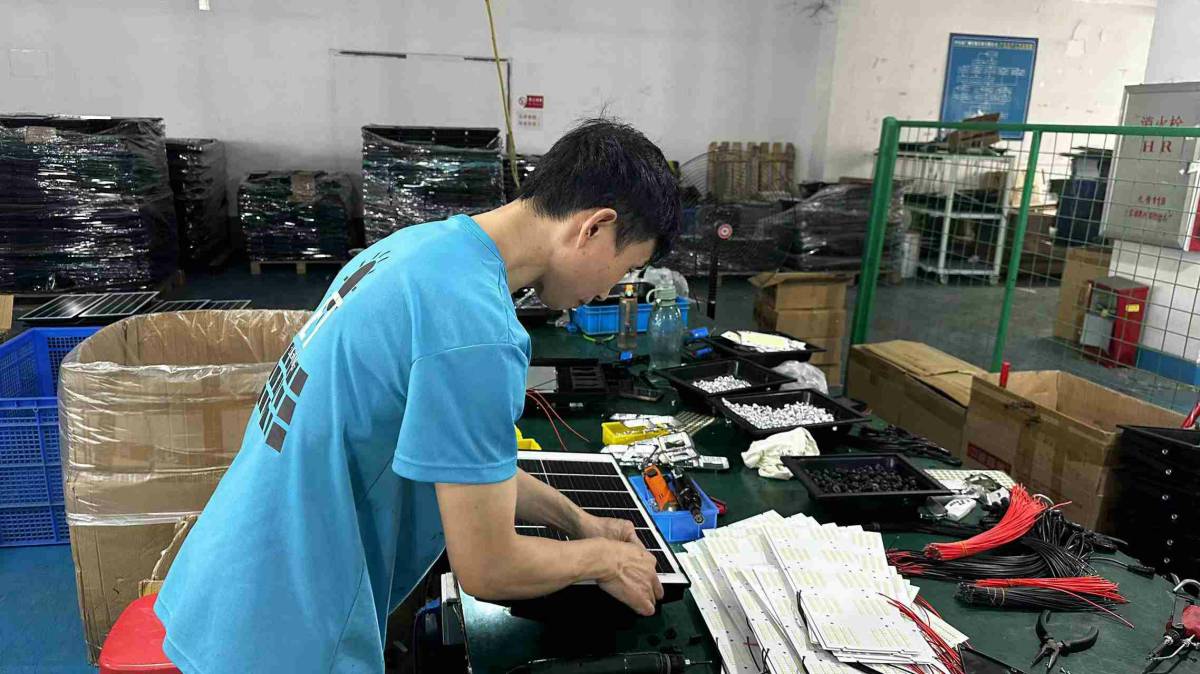
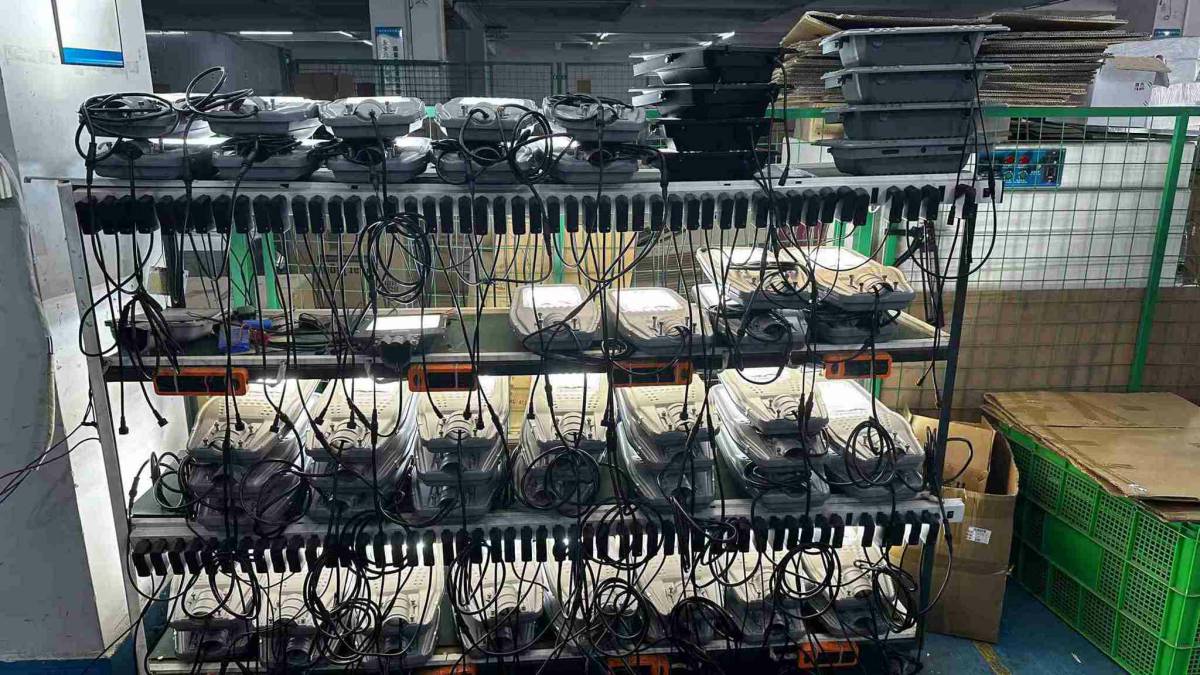
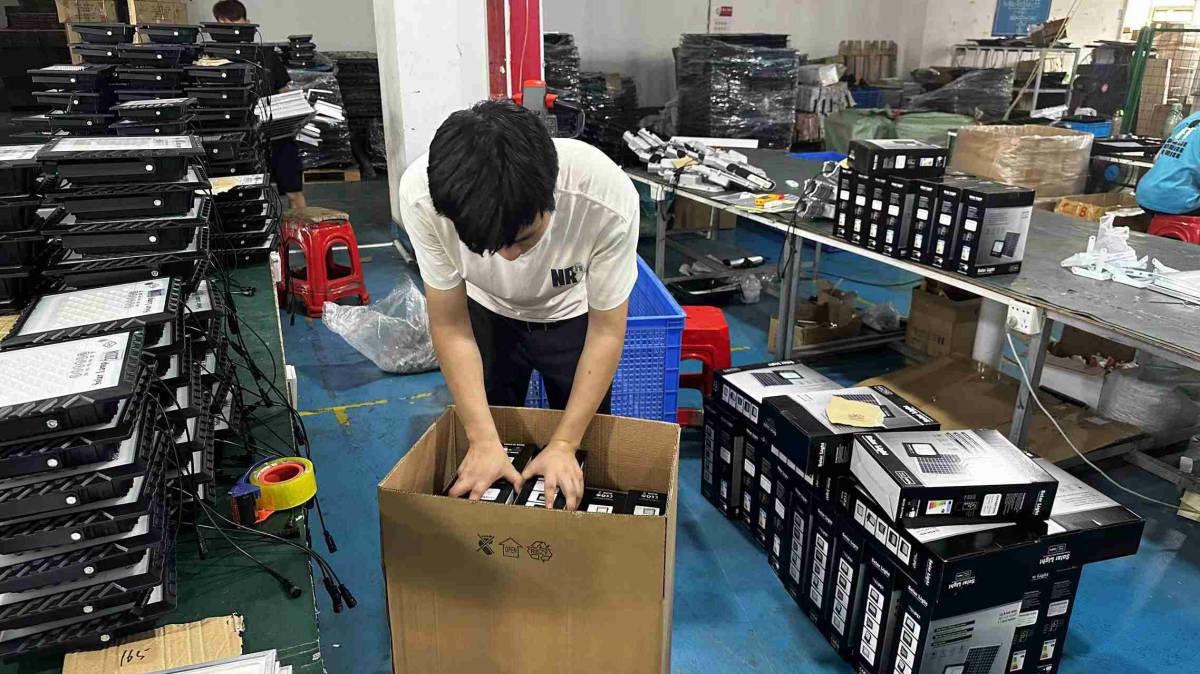
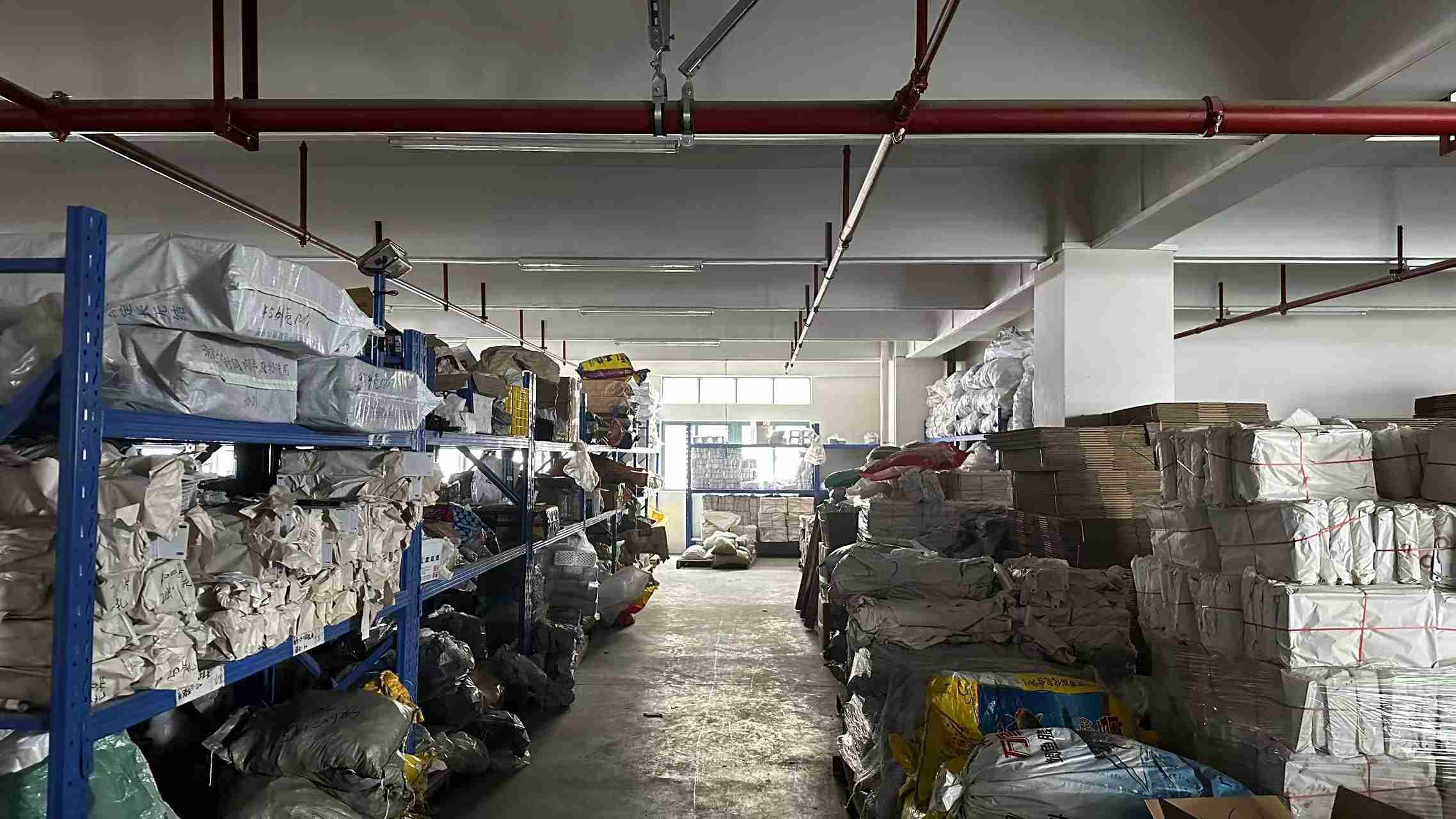
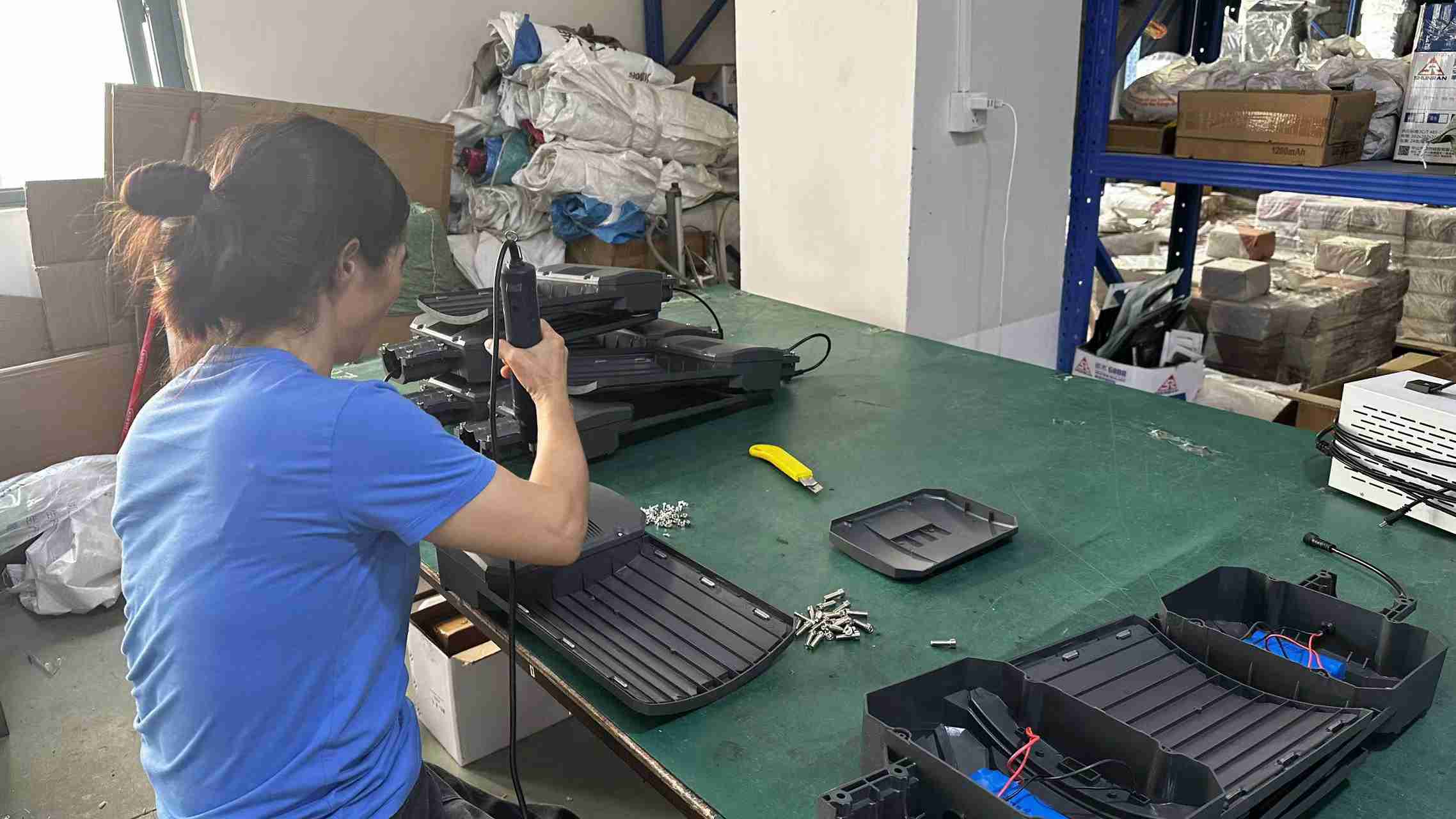
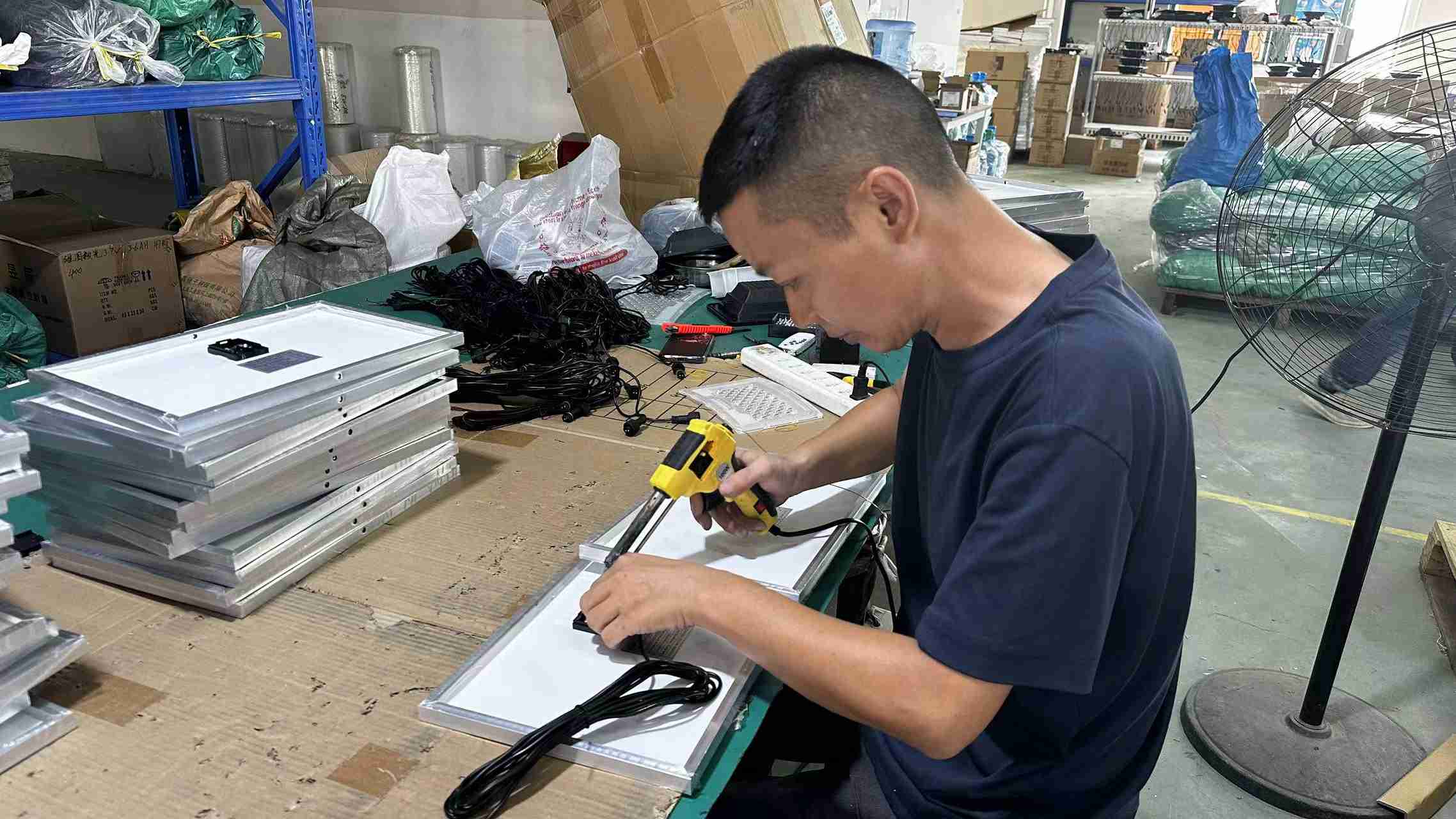
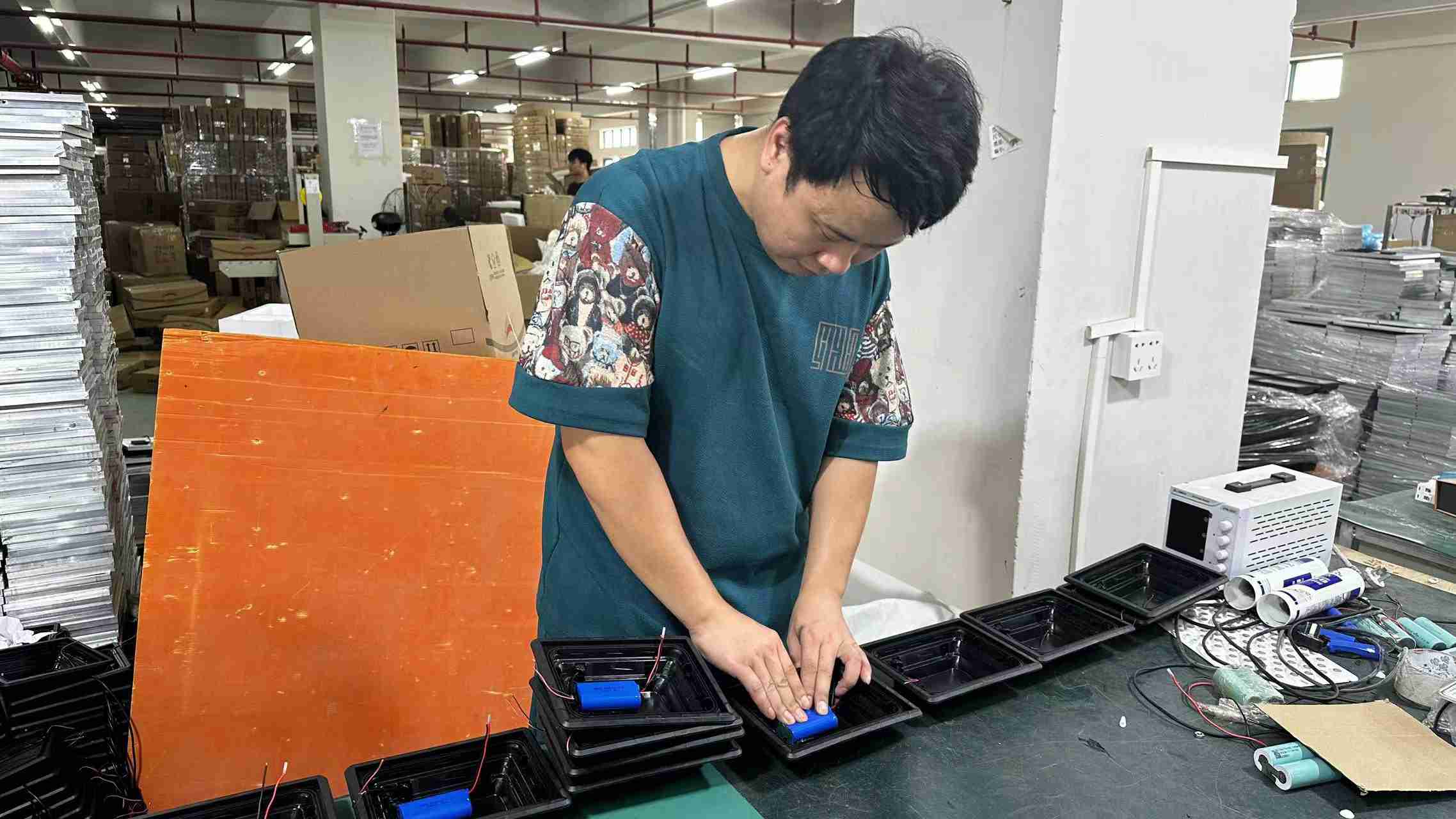
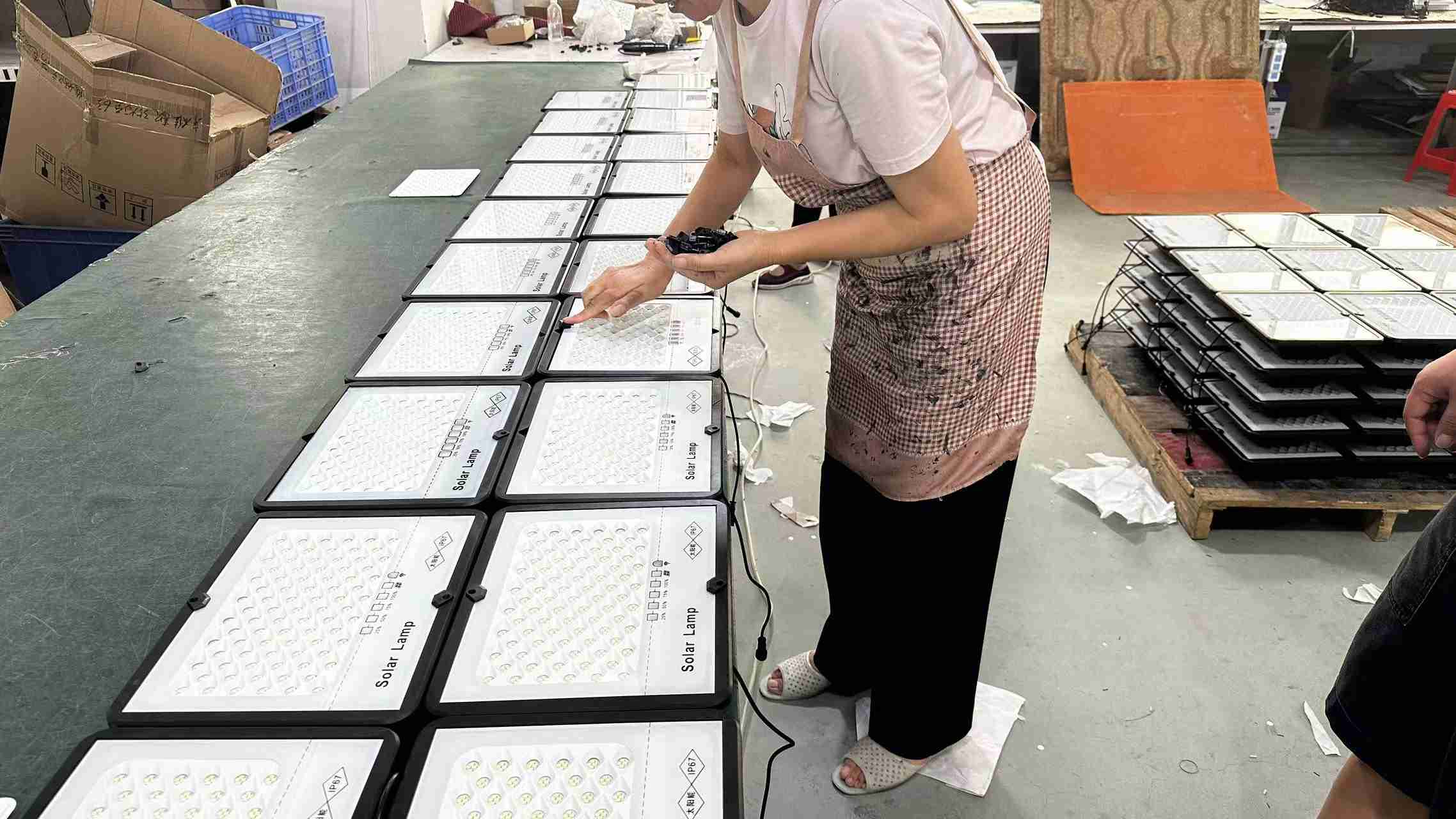
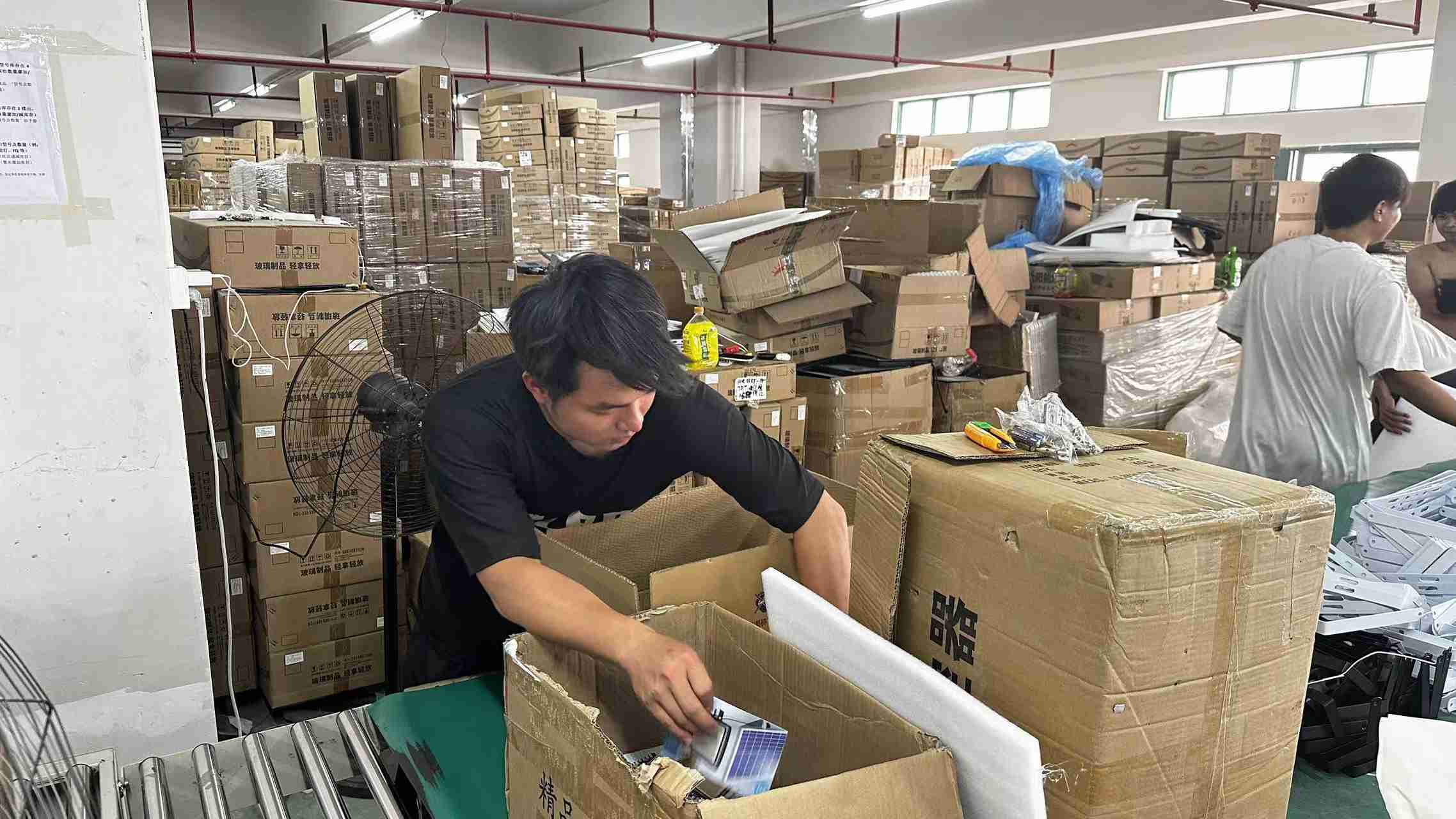
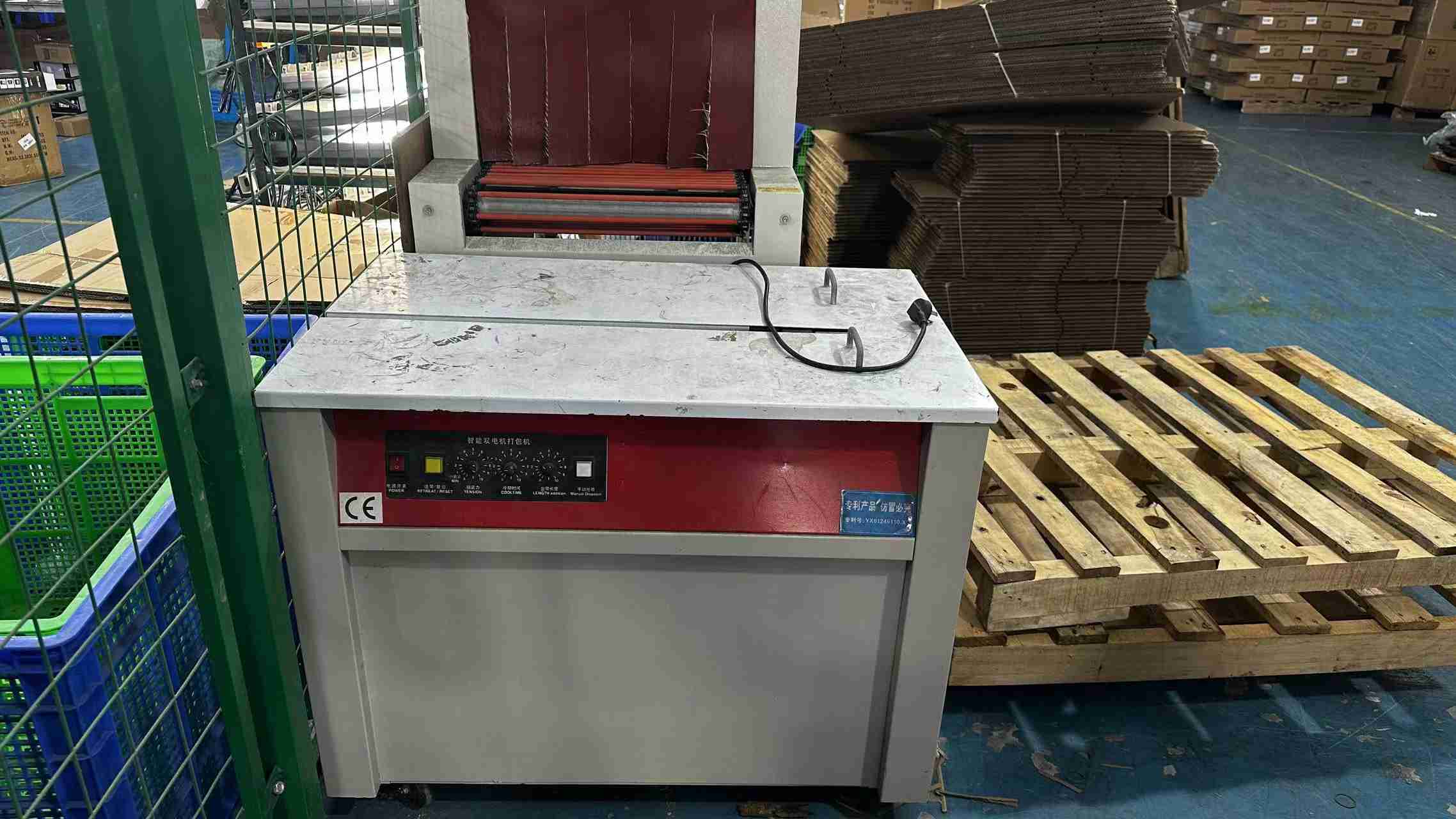
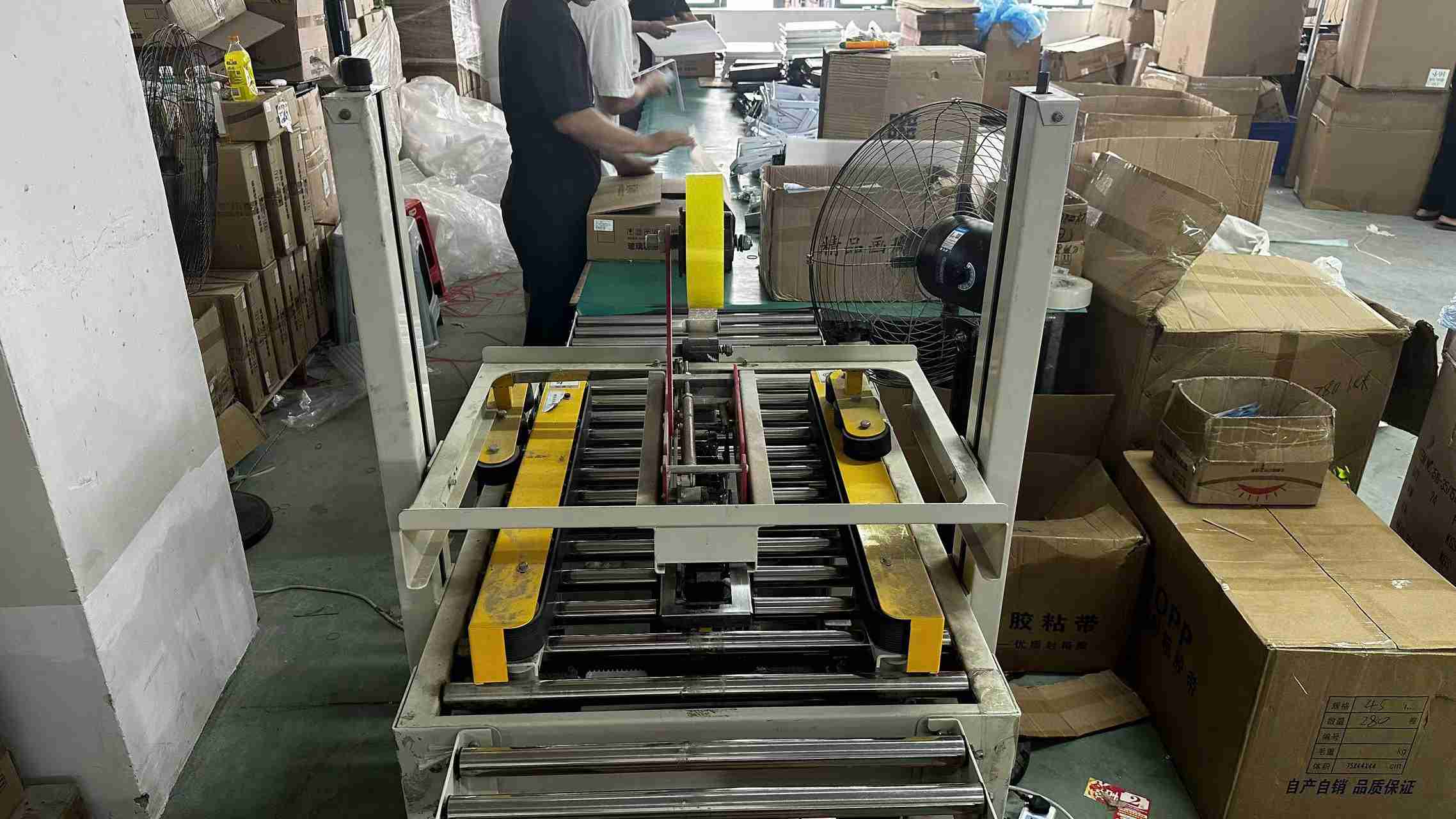
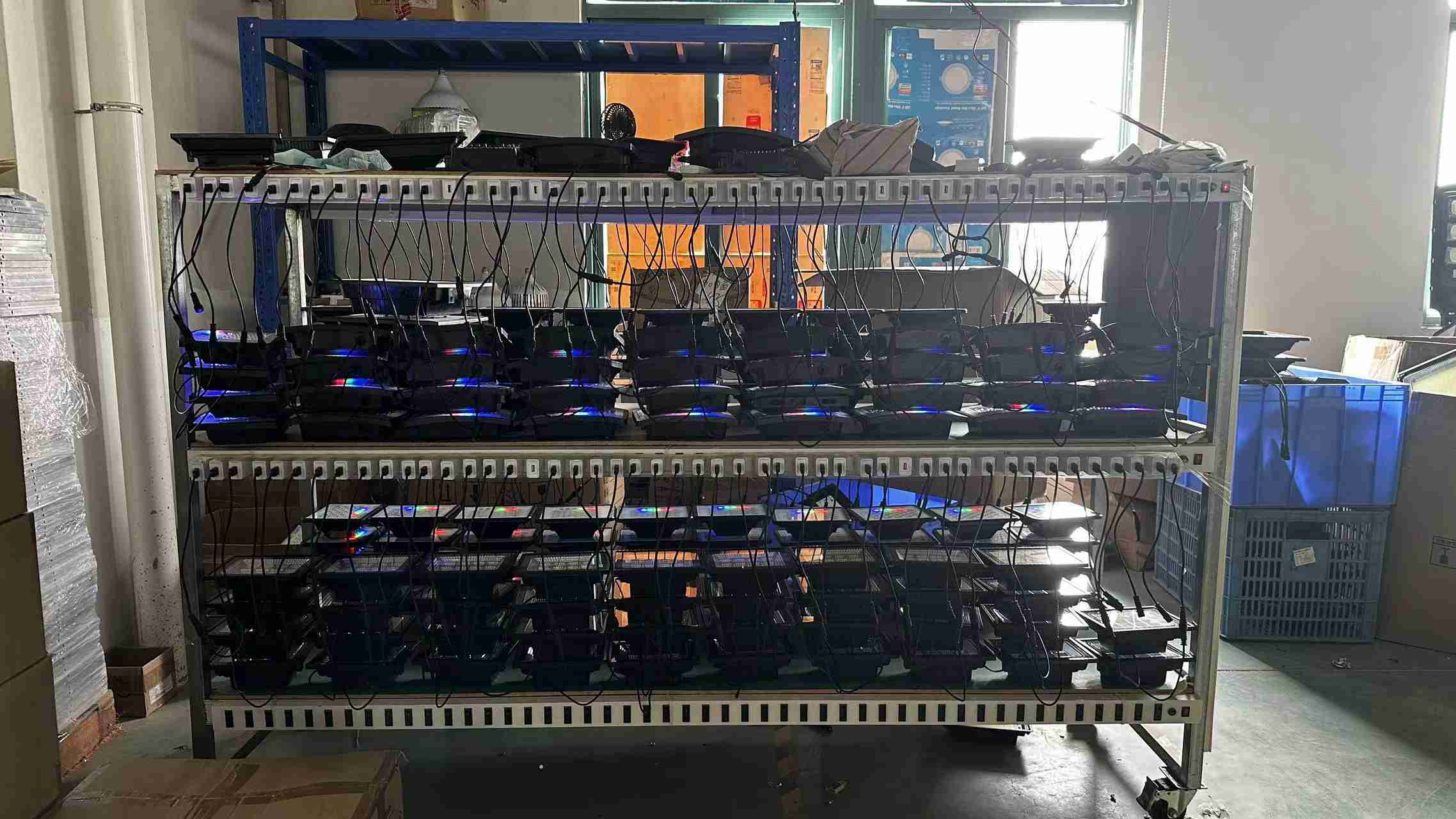
Designed for extreme weather resilient applications in ports, highway projects, and high-salinity island installations.
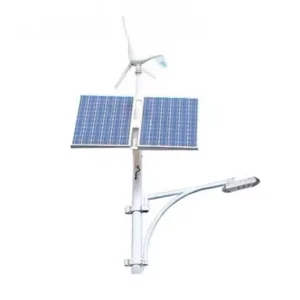
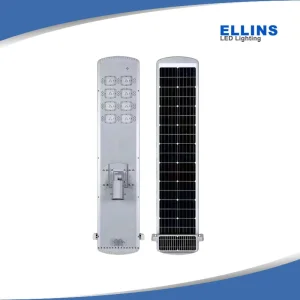
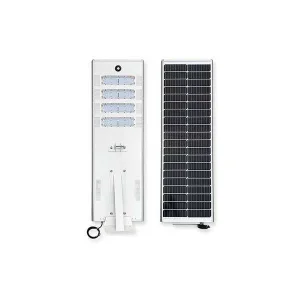
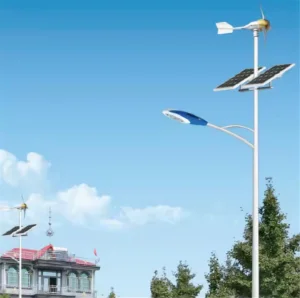
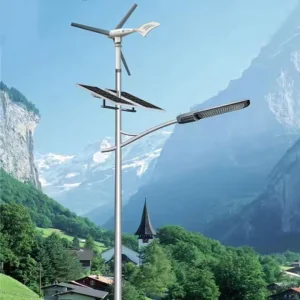
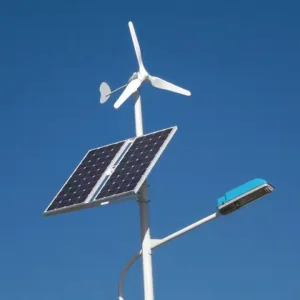
Optimized configurations from primary coastal arterial roads to remote Outer Island community clinics.
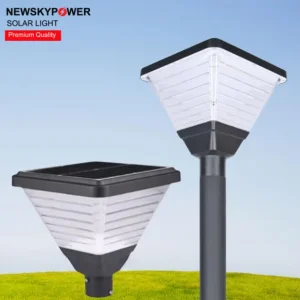
The main transport link running along South Tarawa experiences severe salt-spray mist, constant wind gusts, and vehicle-induced vibrations. Standard solar fixtures degrade quickly due to atmospheric saline deposits blocking light output and degrading solar cells. Our AC/DC Hybrid Municipal Solar Road Lights (100W/150W) resolve this challenge. Equipped with built-in self-cleaning features and high-grade IP66 optical cavities, these lights use AC grid back-up to guarantee continuous road illumination at night, preserving pedestrian and vehicle safety during bad weather.
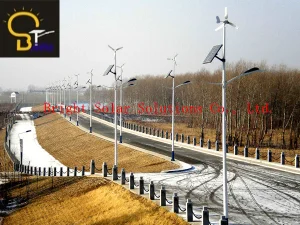
Port operations in Betio require intensive lighting levels to ensure uninterrupted supply chain unloading. The mechanical stresses at seaside shipyards demand extreme hardware. Standard lighting grids often fail due to localized brownouts. Installing 300W Wind-Solar Hybrid system allows harbor operations to run autonomously. By combining wind turbines and solar panels with a backup connection to the grid, operations continue smoothly during electrical surges or typhoons.
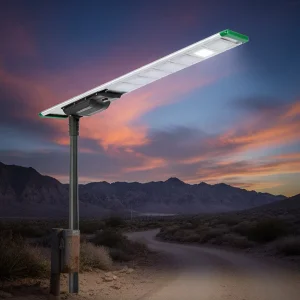
For the remote Line Islands, importing diesel is costly and shipping delays are frequent. Local mini-grids must minimize load. By deploying 60W Hybrid systems, local clinics and administrative offices use local off-grid solar for 95% of their night operations. If weather conditions remain poor for more than four days, the system seamlessly pulls minimal auxiliary power from local generators via the AC connection, keeping vital infrastructure lit.
Answers to complex engineering questions regarding installation, operations, and procurement in the Pacific region.
 Cappy Light