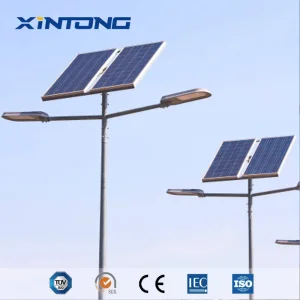
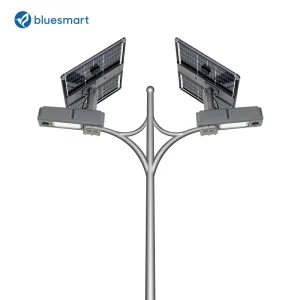
Engineered for high efficiency, color consistency, and extreme weather durability. Explore our top-tier catalog for global procurement.
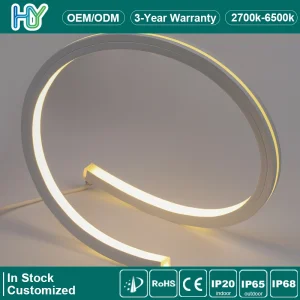
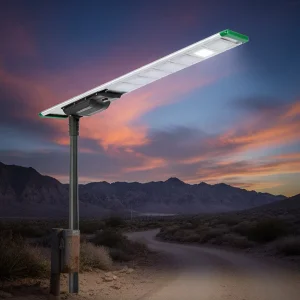
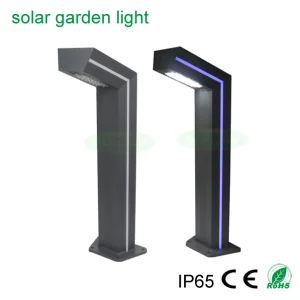
A comprehensive analysis of engineering innovation, design efficacy, and systemic compliance in architectural and linear low-voltage lighting ecosystems.
Linear solid-state lighting has undergone a profound architectural shift. In high-performance commercial and industrial applications, 12V DC systems represent the safety, versatility, and installation standard. Unlike high-voltage configurations, 12V LED strips permit tighter cutting increments, allowing precise field tailoring for customized millwork, cove detailing, and complex signage. This precise sizing avoids dark spots and ensures uniform run lengths.
Technological improvements in constant-voltage driver topology, combined with flexible printed circuit board (FPCB) design upgrades, have significantly reduced historical voltage drop limitations. For large projects, 24V or 48V topologies are sometimes selected to run longer circuits. However, 12V architecture remains the standard for automotive, maritime, and solar hybrid configurations due to its compatibility with standard battery banks and low-voltage electrical systems.
Procurement teams must carefully weigh the trade-offs between Surface Mounted Device (SMD) and Chip-on-Board (COB) technologies. Modern SMD strip lighting—using 2835 or 5050 packages—offers outstanding luminous efficacy (often exceeding 140 lm/W). Yet, they can produce visible "hotspots" unless filtered through deep diffusion channels.
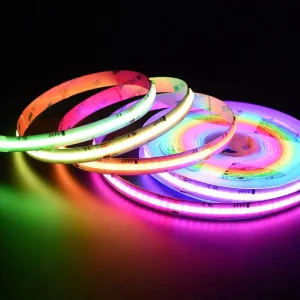
In contrast, COB technology places the LED chips directly on the FPCB, coated by a continuous phosphor layer. This achieves dot-free linear light distribution even when installed in low-profile aluminum extrusions. A reputable manufacturer must provide both technologies, aligning system specs with the designer’s requirements for lux levels, thermal limits, and visual aesthetics.
Year Established
Proprietary Products
Salt Spray Resistance Test
Quality Inspected Systems
Founded in 2004, Ningbo Cappy Light Co., Ltd. has grown from a visionary start-up into a global leader in outdoor and solar lighting solutions. For over two decades, we have remained committed to a single mission: delivering sustainable lighting that combines cutting-edge technology with environmental responsibility. Our products illuminate spaces around the world while protecting the planet.
Our mission is to lead in user-centric outdoor lighting solutions while safeguarding the Earth's future through innovation, quality, and sustainability. This principle guides every decision we make—from product design and manufacturing to material selection and packaging. At Ningbo Cappy Light, we believe that lighting the world should not come at the expense of environmental health. Our 20+ years of industry success reflect this philosophy.
We combine advanced technology, rigorous quality standards, and eco-conscious practices to deliver lighting solutions that are beautiful, reliable, and sustainable. Our clients span commercial, municipal, and residential sectors worldwide, trusting us to illuminate their spaces responsibly. At Ningbo Cappy Light, we don't just light up spaces—we illuminate the future.
Resolving key design, physical strength, and operational challenges in commercial-scale procurement programs.
We implement a single-bin system with MacAdam Ellipse control (SDCM < 3) to guarantee that every meter of lighting shows consistent color temperature (CCT) across large project rollouts.
Our flexible printed circuit boards (FPCB) feature 2oz and 3oz rolled copper. This construction improves heat dissipation and sustains high lumen maintenance over a 50,000-hour L70 lifetime.
We work closely with global distribution hubs, offering customized MOQ pricing structure, clear DDP shipping options, and technical integration sheets for rapid installations.
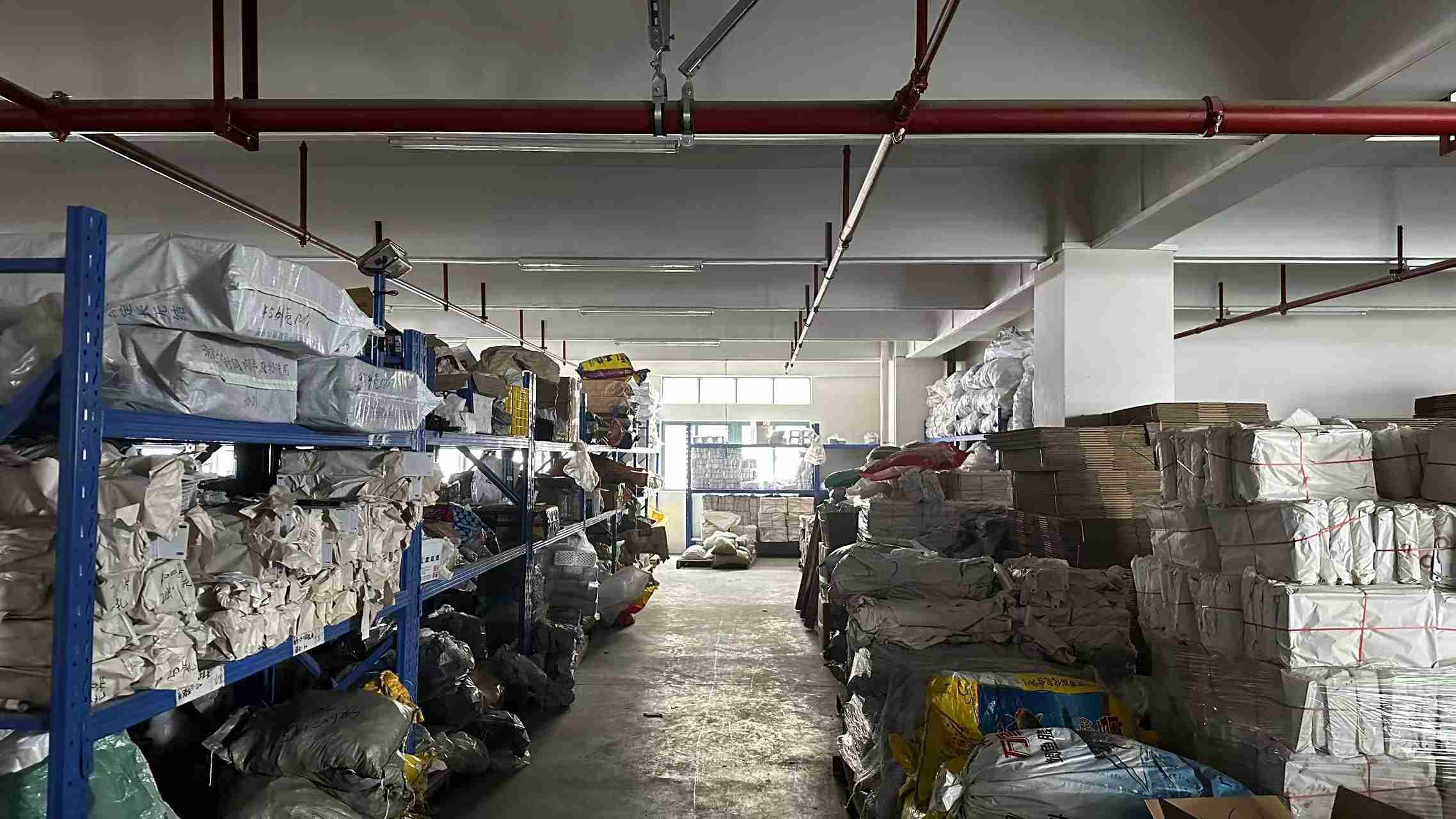
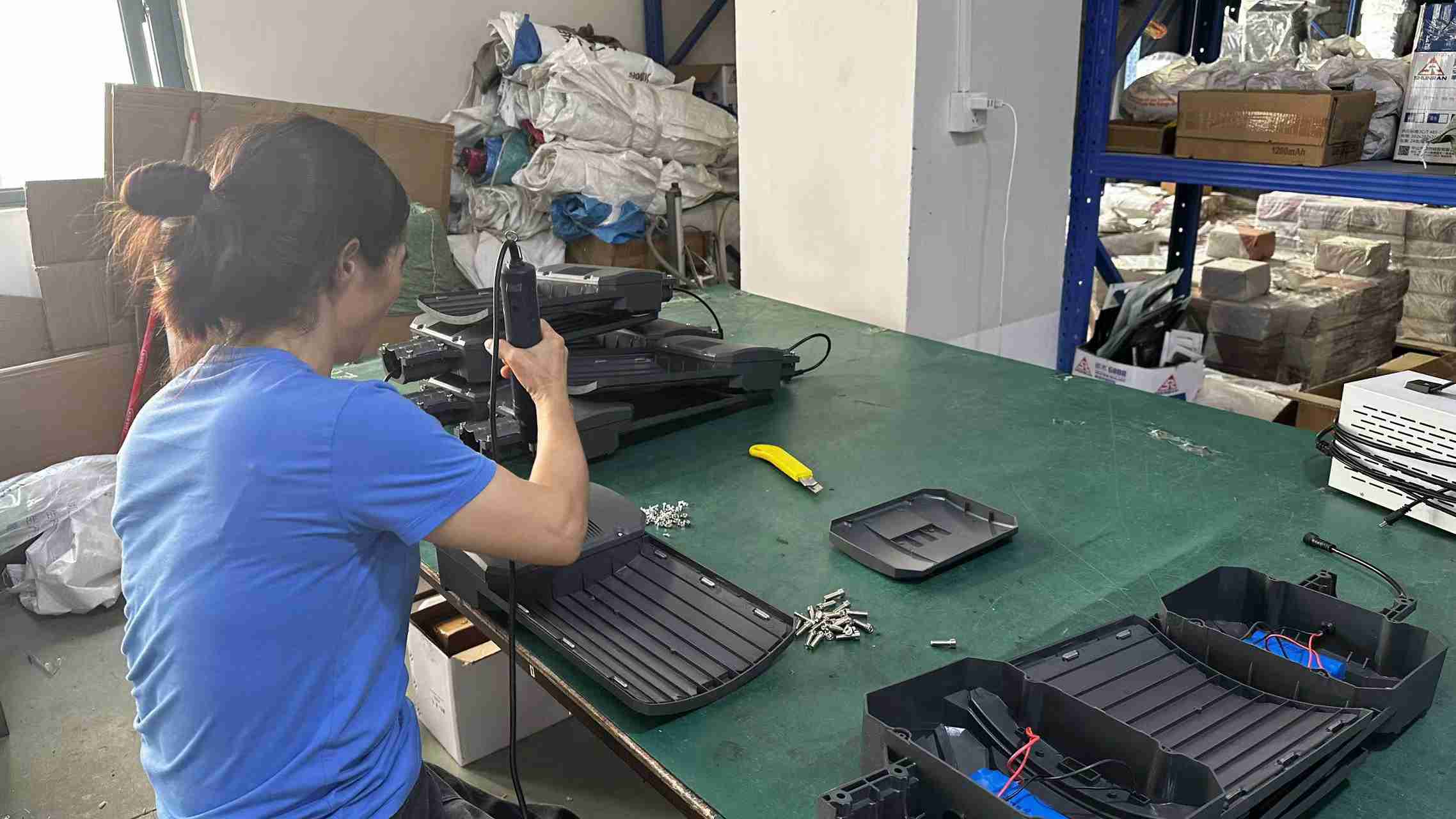
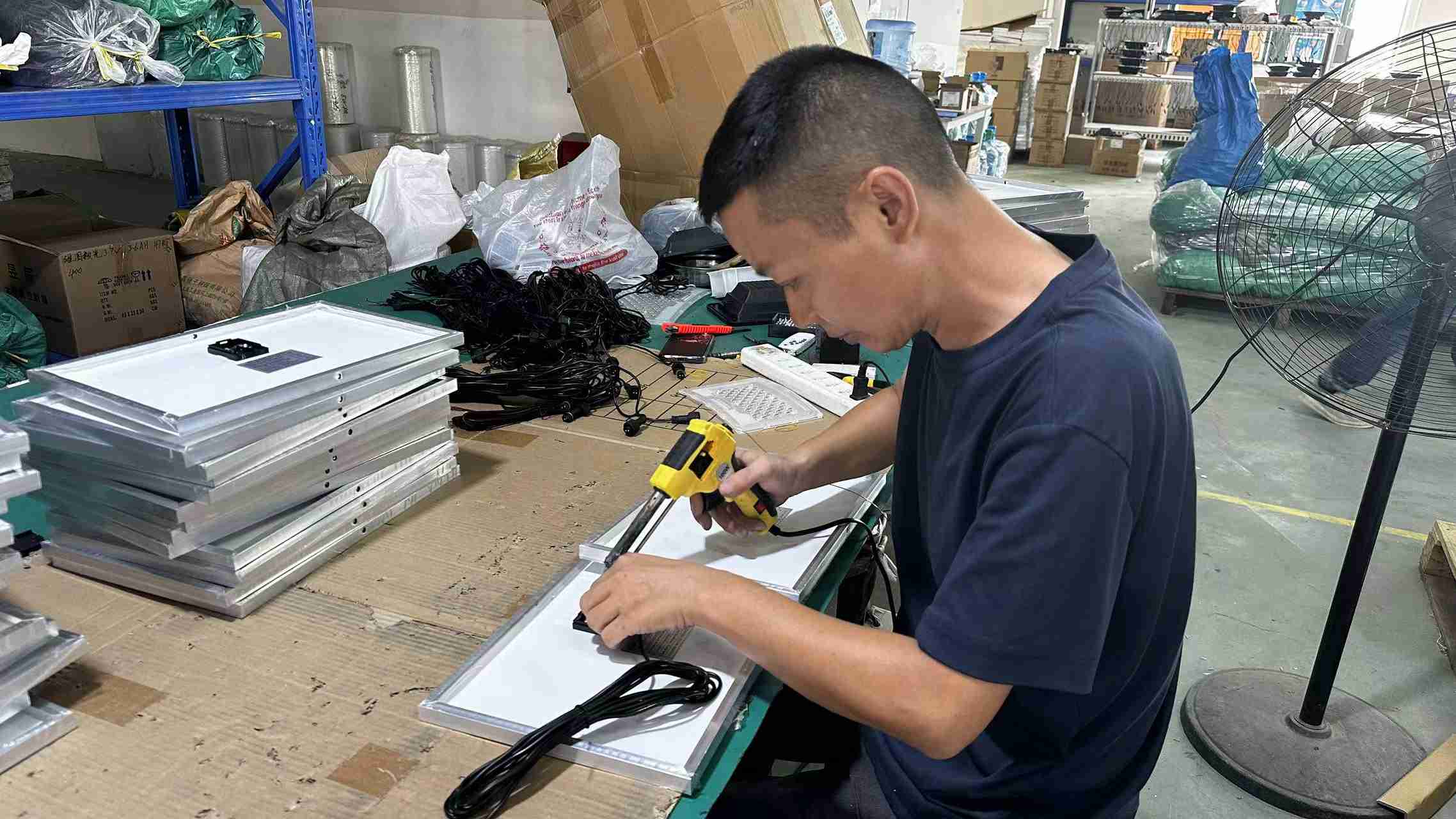
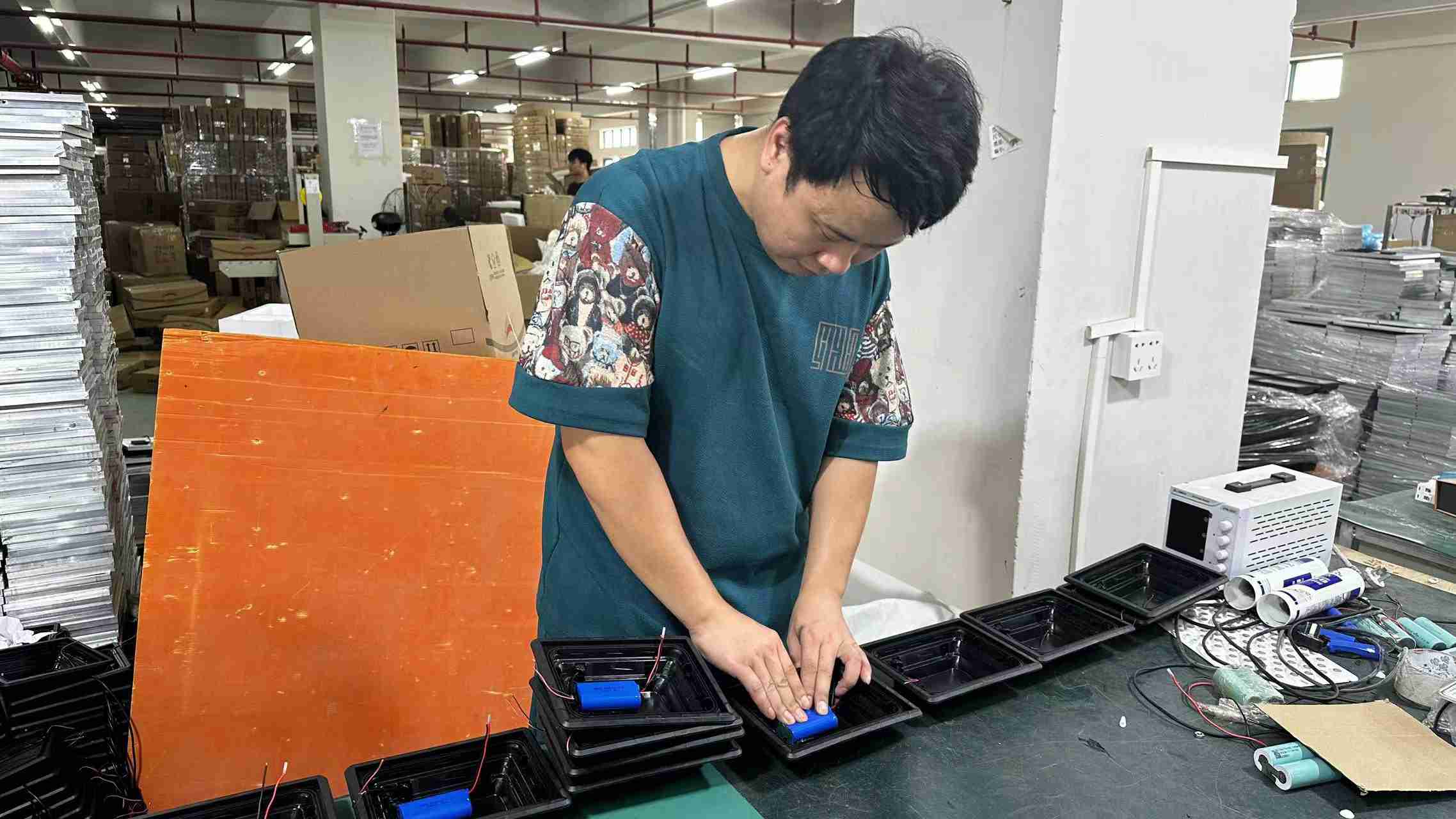
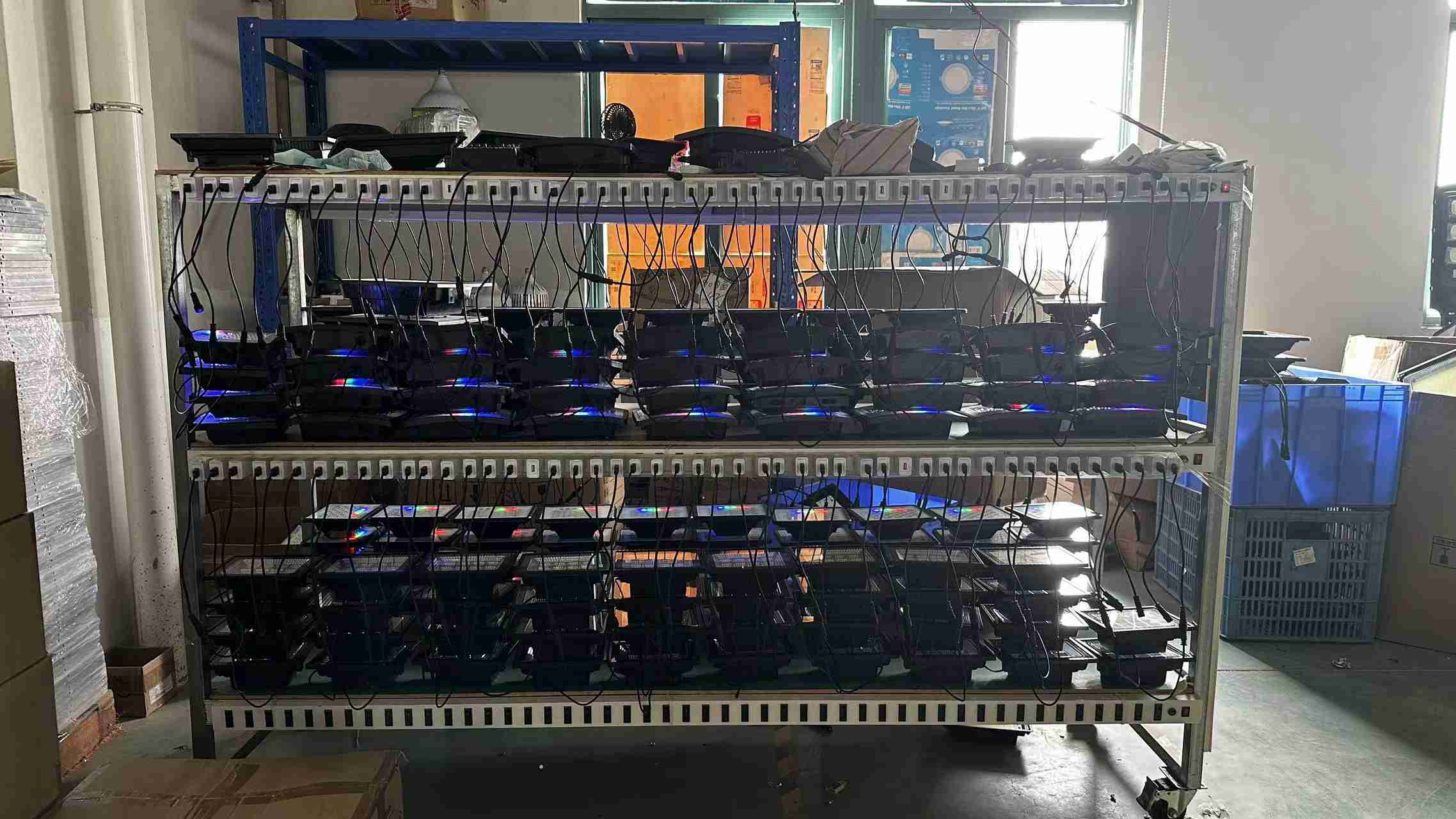
Our quality control process encompasses every phase of production, ensuring high field reliability for international projects.
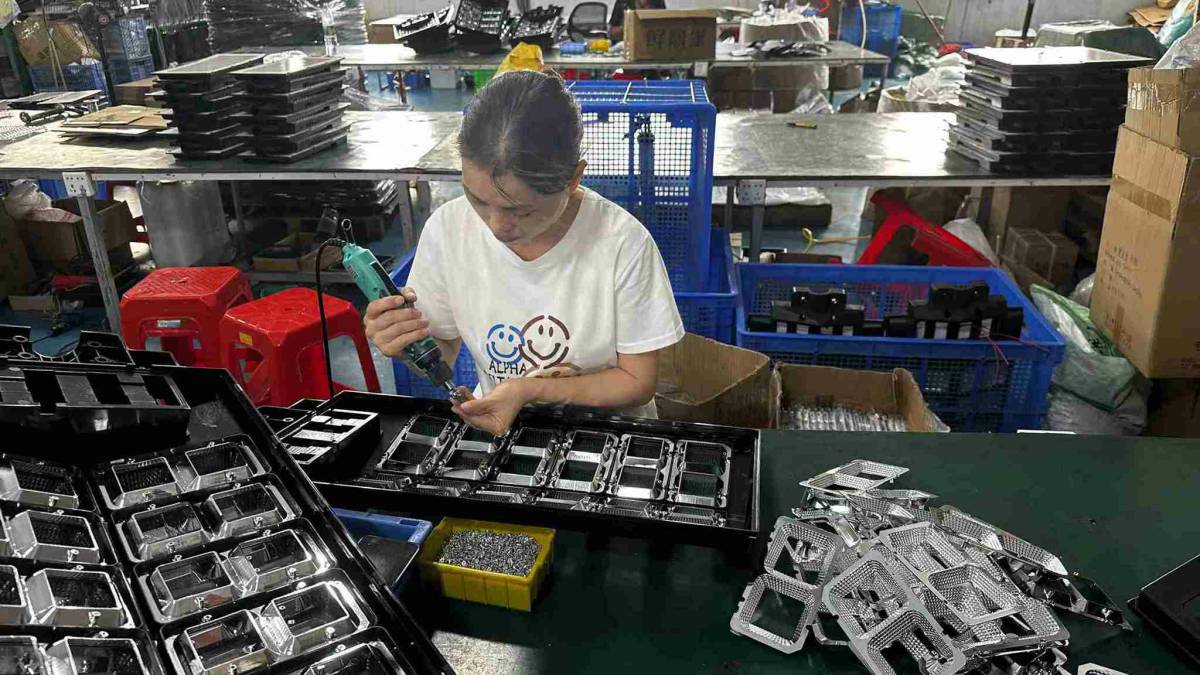
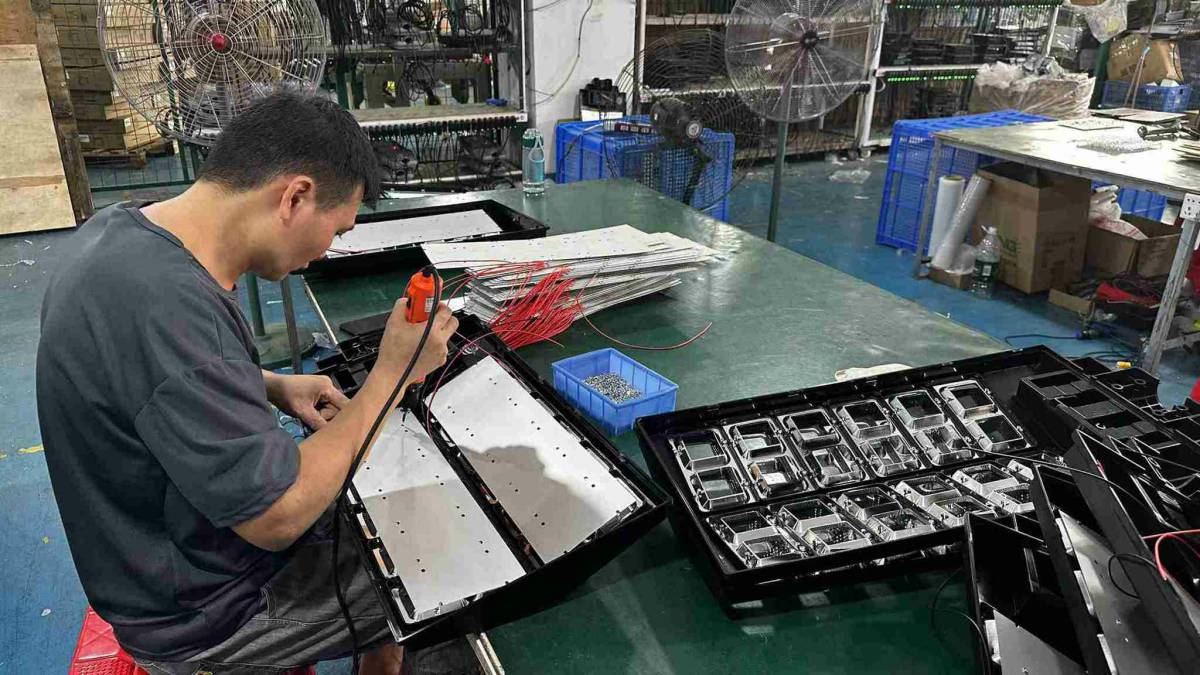
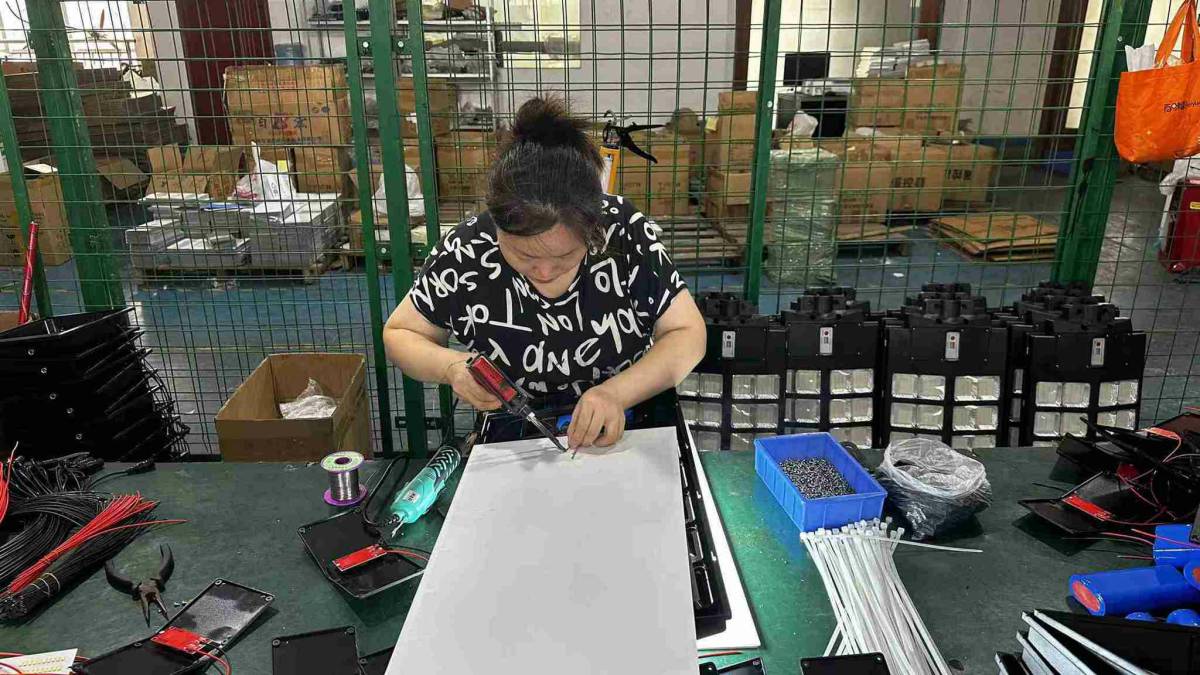
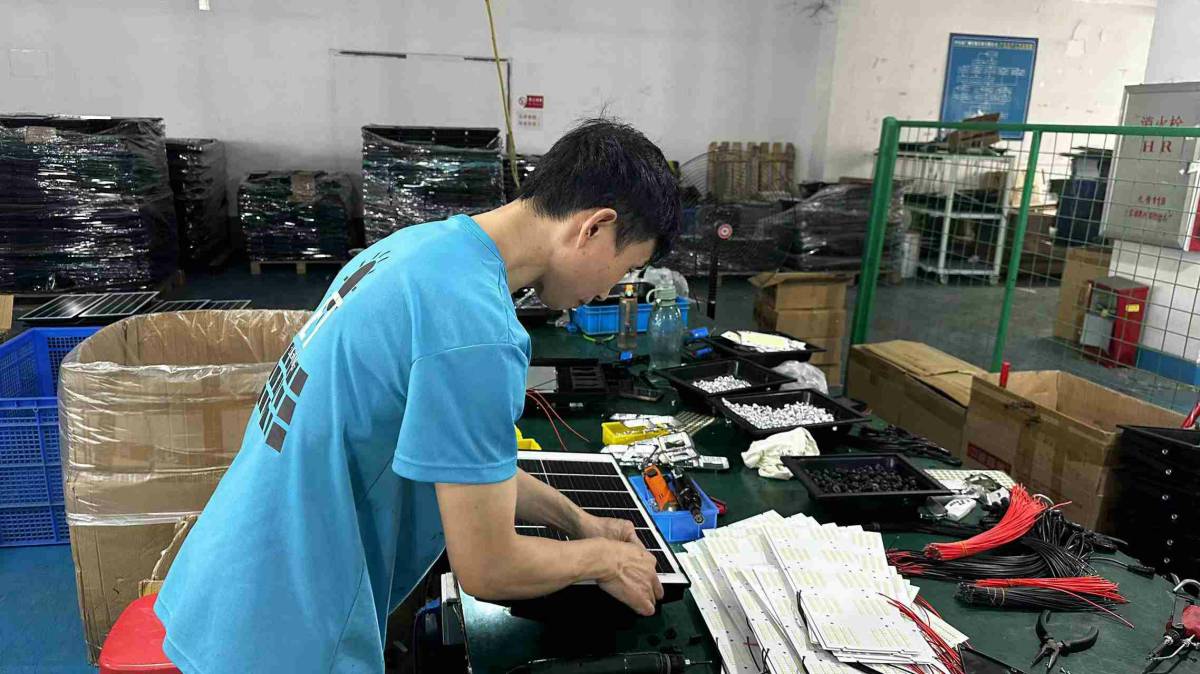
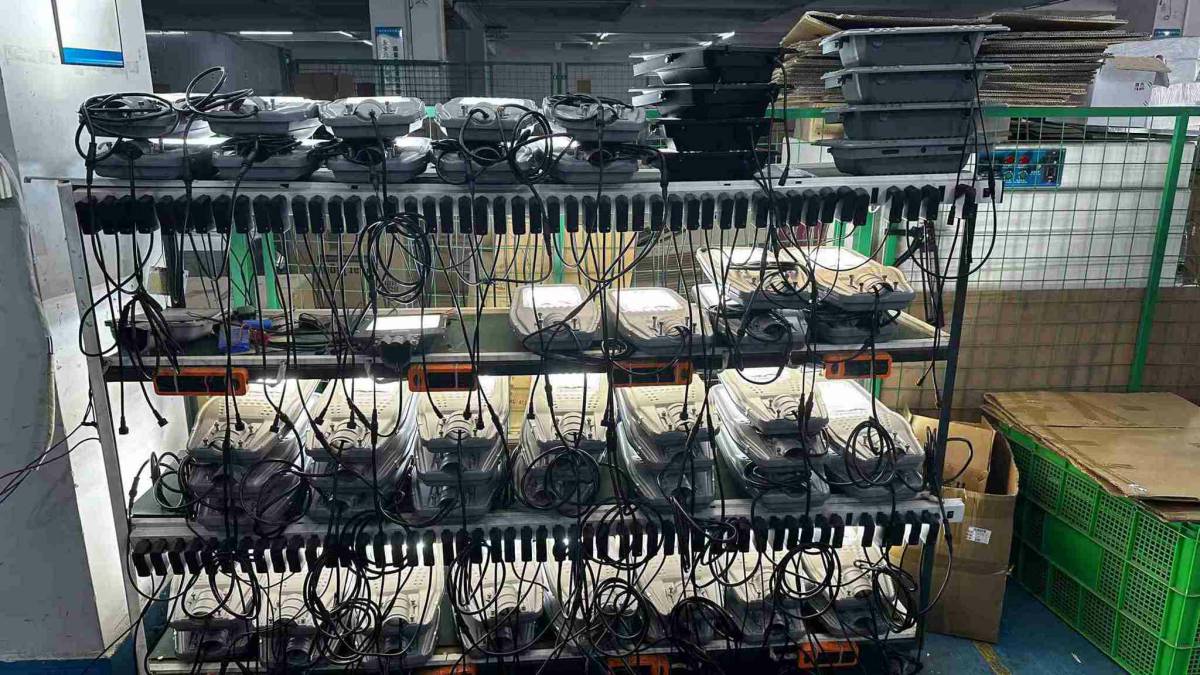
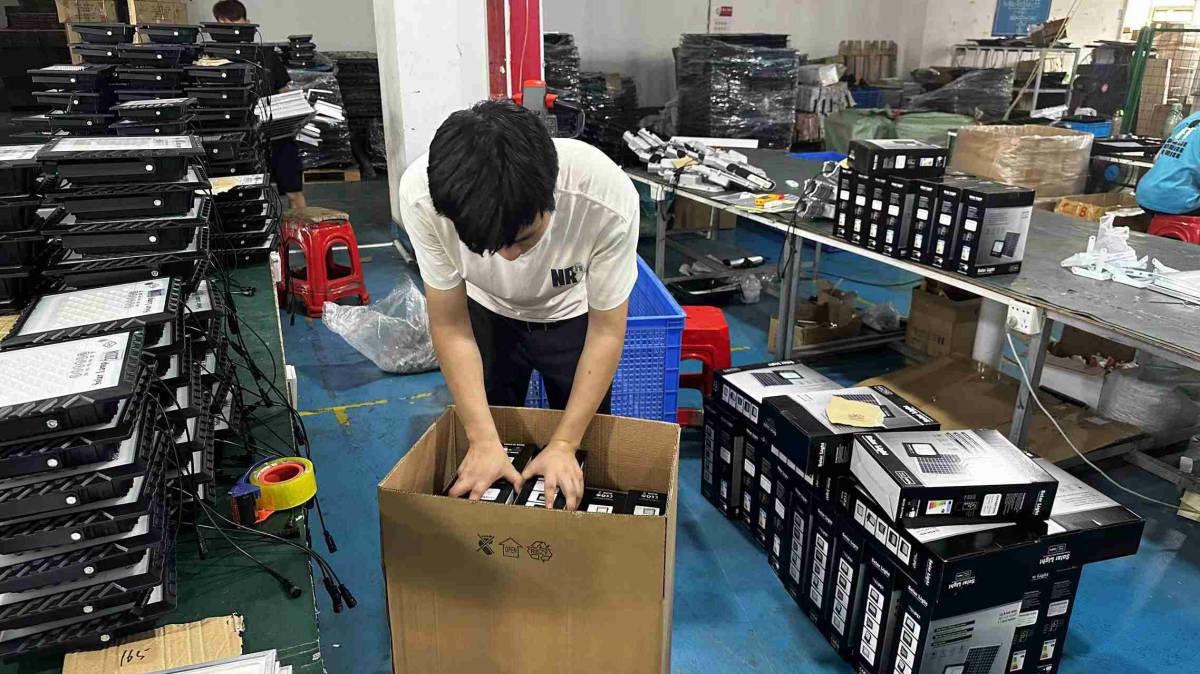
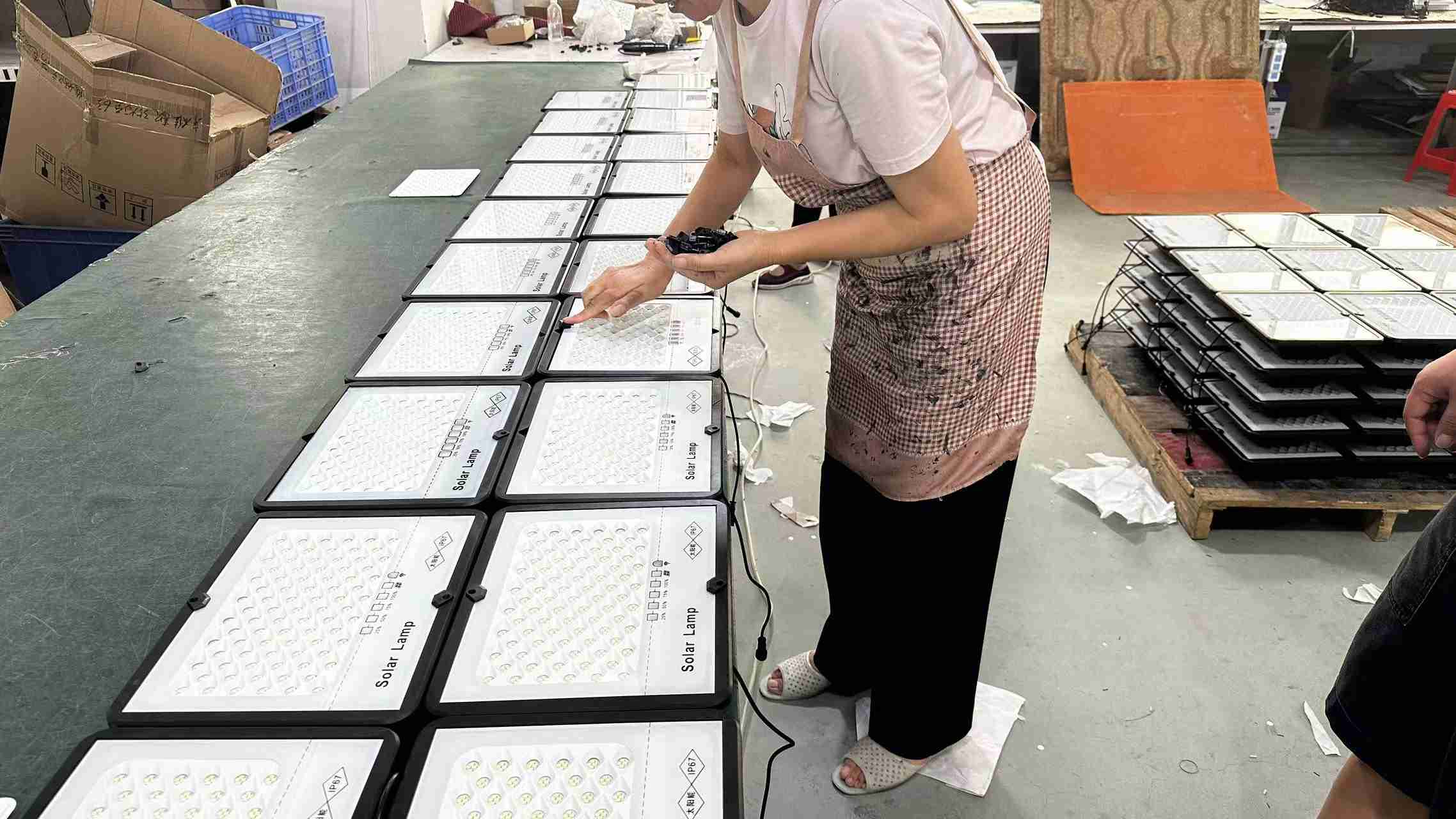
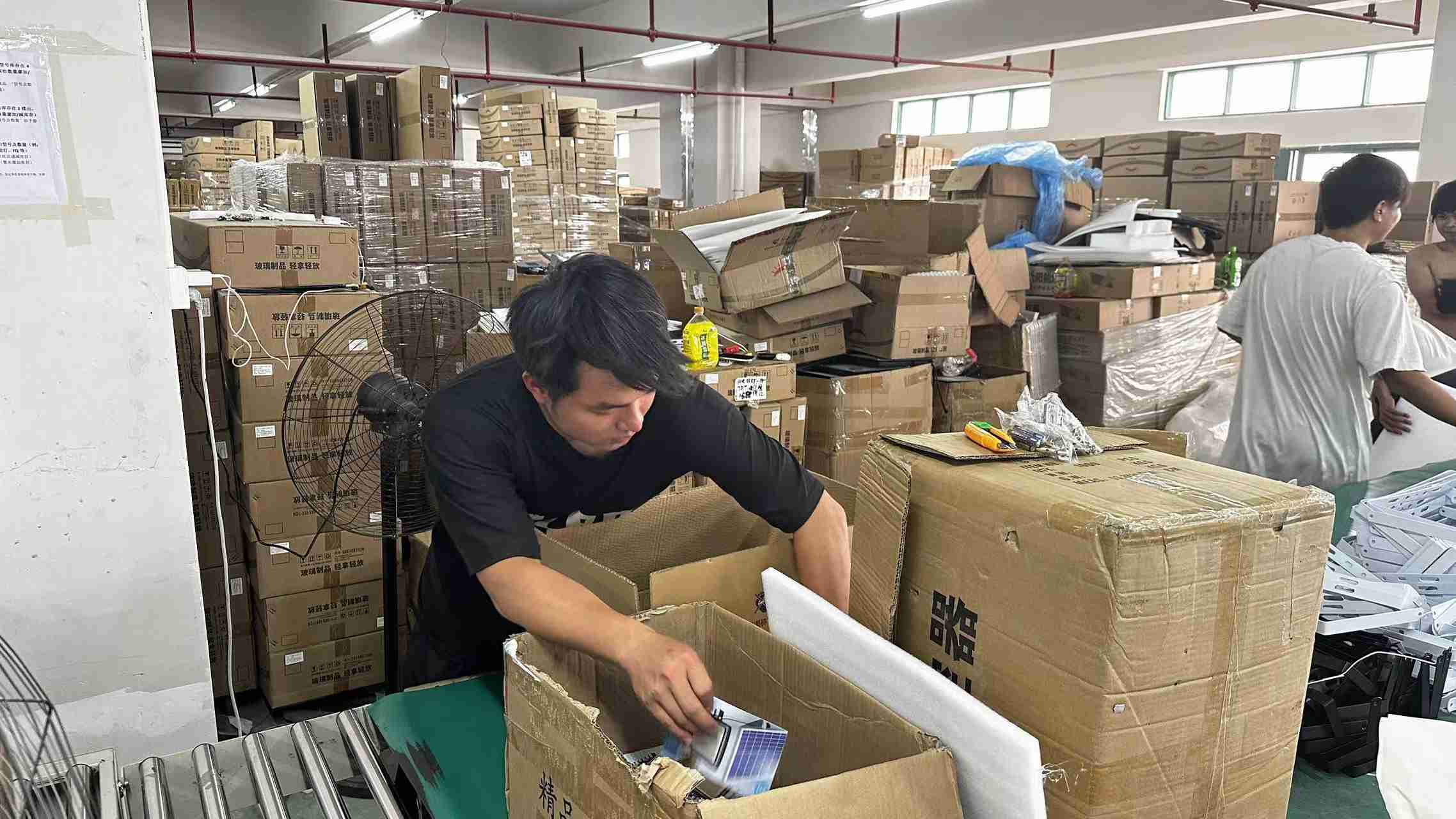
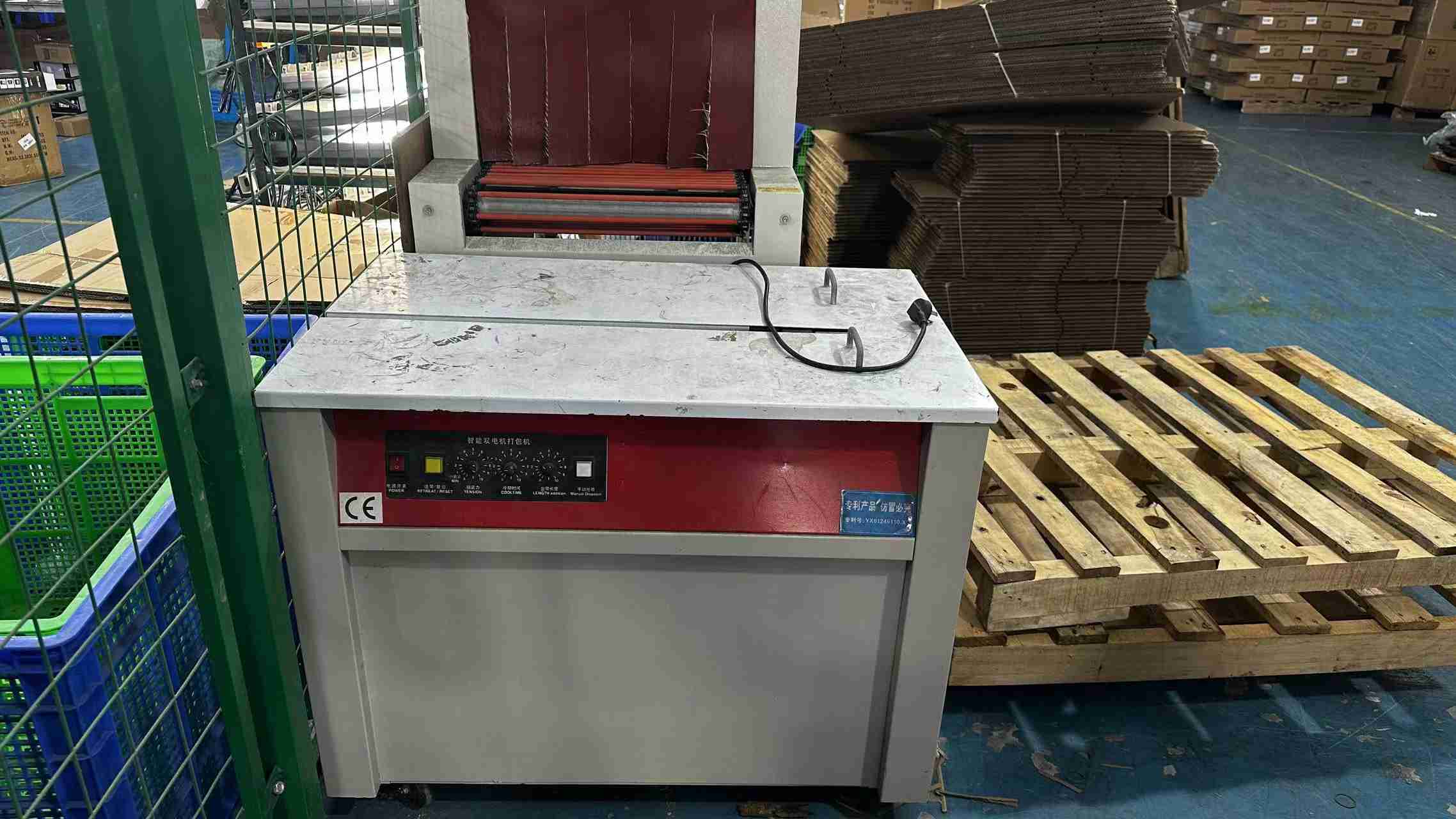
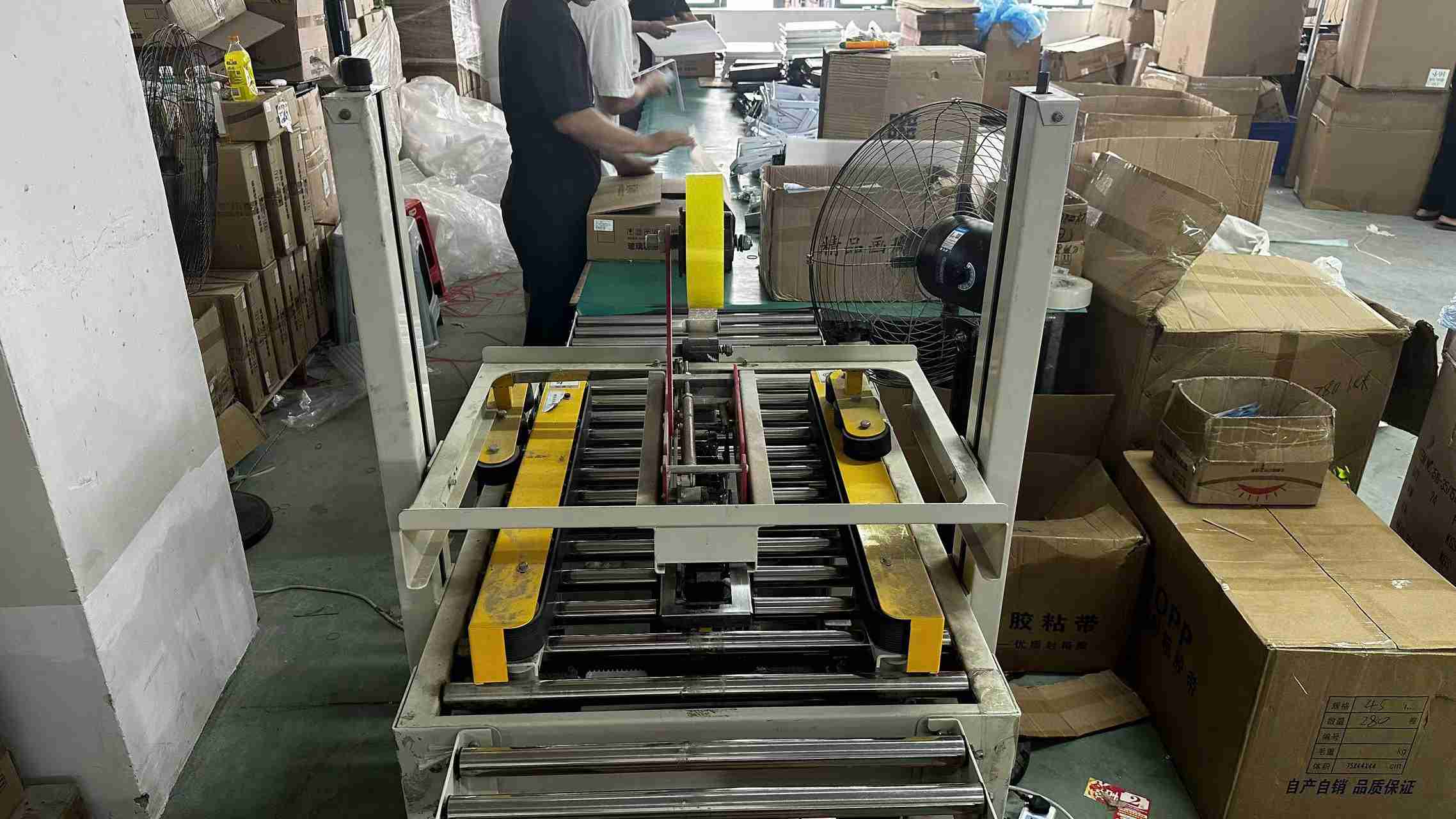
Combining mechanical sealing technologies with eco-friendly manufacturing methods to build durable lighting fixtures that withstand extreme weather.
Using 12V LED strips in outdoor and architectural water features requires reliable waterproof coatings. Standard PVC potting materials often yellow, crack, and stiffen when exposed to UV radiation and thermal cycling over long periods.
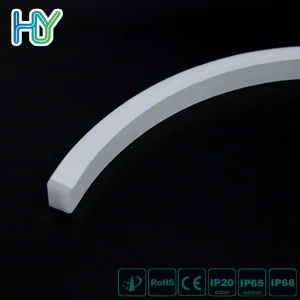
To prevent this degradation, we utilize high-precision silicone co-extrusion. Food-grade silicone offers excellent UV resistance, remains flexible in temperatures from -50°C to 150°C, and prevents moisture ingress. Our IP68 sealing technology protects internal LED circuits from water damage and chemicals, ensuring stable performance in marine, coastal, and commercial landscape projects.
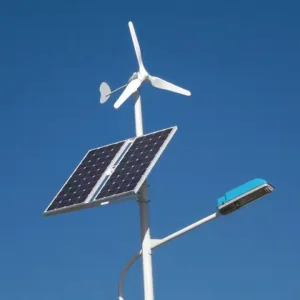
Global regulatory updates are pushing project owners toward hybrid energy solutions. We design system integrations that combine low-voltage 12V lighting with solar charging technologies. By using efficient lithium iron phosphate (LiFePO4) battery systems and smart MPPT controller modules, we help minimize grid dependence.
Additionally, we integrate protocol standards like Zigbee 3.0, DALI-2, and Matter. This enables automated, sensor-driven dimming that can cut energy use by up to 60%. These systems also provide real-time status reporting back to building management systems, streamlining ongoing maintenance.
Our R&D roadmap focused on key technological objectives: improving lumen output, utilizing bio-degradable carrier materials, and enhancing individual channel addressability. By using Chip Scale Package (CSP) LEDs, we aim to reduce thermal resistance and double the density of light points per meter, providing smooth, dot-free lighting. We are also testing eco-friendly, recyclable substrates to minimize electronic waste, helping our global B2B clients meet strict environmental standards.
Technical guidance and sourcing tips for engineers, lighting designers, and global procurement managers.
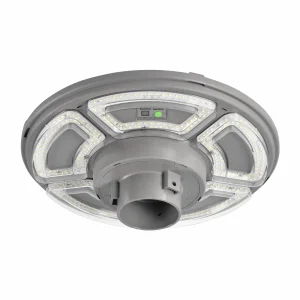
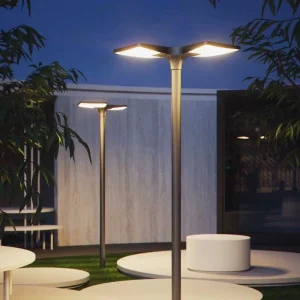
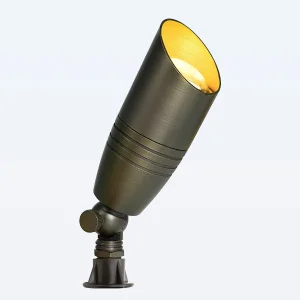
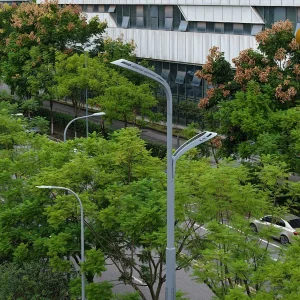
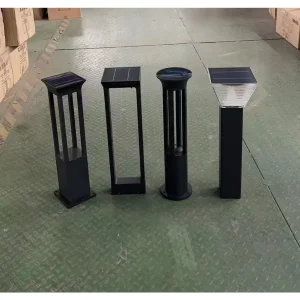
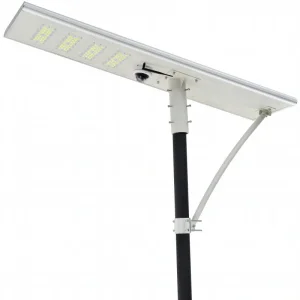
Explore our low-voltage landscape lighting, smooth neon flex, and hybrid street fixtures designed to withstand harsh outdoor conditions.
 Cappy Light