Lighting is one of the simplest household systems to improve, yet many homes still depend on wall switches and forgotten lamps. The U.S. Department of Energy reports that LED lighting uses at least 75% less energy than incandescent lighting and can last up to 25 times longer. However, efficient bulbs cannot save energy when they remain on in empty rooms. This is where how to control main power lighting with a smart switch becomes a practical question.
A smart switch can replace a conventional wall switch and control mains-powered lights through schedules, motion sensors, apps, or voice commands. At 7:00 a.m., hallway lights can turn on gently. At midnight, they can shut down automatically. The system may also support scenes, remote access, and energy monitoring. The U.S. Environmental Protection Agency’s ENERGY STAR program emphasizes connected lighting controls as a way to reduce unnecessary operation and improve user convenience.
Human comfort matters too. Dr. Mariana Figueiro, a leading lighting researcher, has stated, “Light is the strongest synchronizer of the human circadian system.” Better timing can support healthier evening routines, although smart control is not a medical treatment. A qualified installer should confirm voltage, neutral-wire requirements, load compatibility, and certification before installation. Some older homes need additional wiring. That part is easy to overlook.
A smart switch is not magic. Wi-Fi failures, unsuitable LED drivers, or poor installation can create flicker and frustration. Still, when selected carefully, it can make main power lighting safer, more responsive, and less wasteful. The real benefit is not novelty. It is dependable control that fits everyday life.
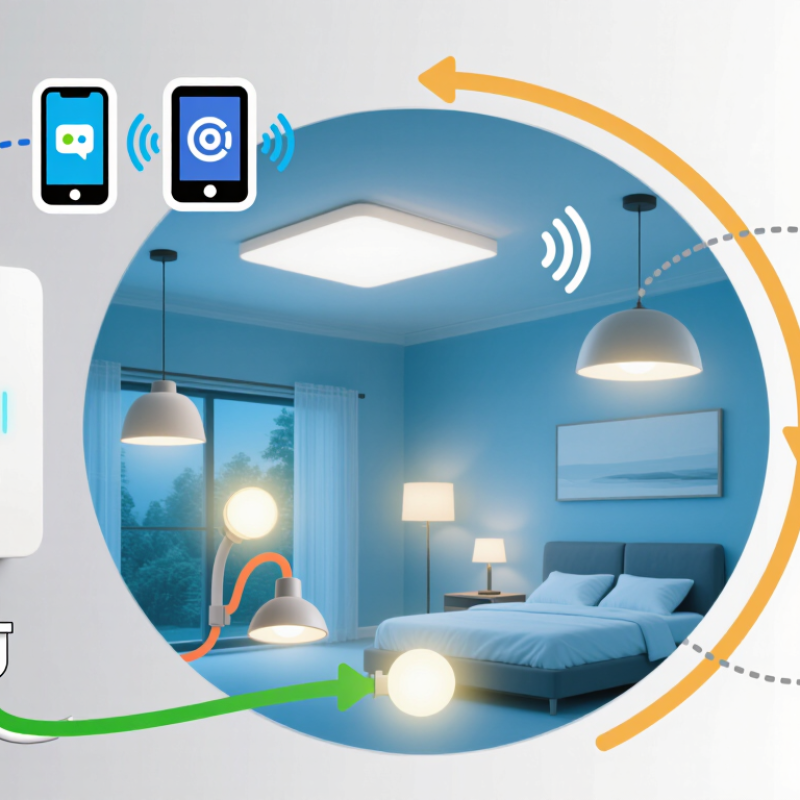
A smart switch for main power lighting is a wall-mounted control that connects to a building’s mains circuit. It uses an internal relay to turn ceiling lights on or off. Unlike a basic switch, it can follow schedules, motion signals, daylight levels, or remote commands. Many models still support manual control. That matters during network outages.
The switch controls power directly. It does not merely send a wireless instruction to a separate lamp. A qualified electrician should check voltage, load capacity, grounding, and whether a neutral wire is available. The U.S. Department of Energy reports that LED lighting uses at least 75% less energy than incandescent lighting and lasts up to 25 times longer. A smart switch can improve those savings by preventing lights from staying on in empty rooms. The International Energy Agency’s 2023 Energy Efficiency Market Report also identifies digital controls as an important tool for reducing wasted energy. Results vary. A poorly configured schedule may create inconvenience, and standby consumption is easy to overlook. My own practical view is simple: reliable manual operation should come before extra app features. A small hallway test often reveals more than a sales specification.
A smart switch changes a lighting circuit from simple on-and-off control into a responsive electrical system. Inside, a relay opens or closes the circuit when it receives a wall, app, sensor, or schedule command. The light still uses the main power line, but control becomes more flexible. In practical installations, checking load ratings and neutral-wire requirements prevents many avoidable problems. A qualified electrician should confirm compatibility before installation.
Automation starts with a clear routine. A hallway light can turn on when motion is detected after sunset. Bedroom lamps can fade gradually at a set time. A scheduled command may also switch several rooms together, reducing repeated trips to the wall switch. Scenes can combine lighting levels, while manual controls remain available when technology behaves unexpectedly. It sometimes does.
Reliable systems need sensible settings. Local control is valuable when the internet connection fails. A timer should include realistic delays, especially in bathrooms or stairways. Motion sensors can trigger unwanted lights if their placement is careless. During testing, observe the circuit at different times, with doors open and closed. Small details matter.
I still prefer a physical switch near every frequently used entrance. That choice feels less elegant, but it improves daily usability. Smart control should support safe wiring, suitable fixtures, and clear user access. It should not hide basic electrical faults behind a polished interface.
Smart switches give main power lighting more control than a simple on-off mechanism. The U.S. Department of Energy reports that lighting uses about 15% of household electricity. Automated schedules, occupancy detection, and remote shutdown can reduce unnecessary operation. A hallway light can turn off after midnight, while entrance lighting follows local sunset times. Small changes become visible on monthly energy records.
A smart switch also improves daily convenience and maintenance. Users can control lights from a wall panel, mobile interface, or voice-free automation system. The International Energy Agency states that buildings consume around 30% of global final energy. Lighting controls cannot solve that entire problem, but they can reduce waste in offices, homes, and shared facilities. Proper installation matters. The circuit must be checked, loads must match specifications, and neutral-wire requirements should be confirmed by a qualified professional.
Human behavior remains the weak point. A scheduled light may still operate when a room is empty. Sensors can misread pets, sunlight, or unusual movement. A switch is not magic. The U.S. Department of Energy indicates that lighting controls may reduce lighting energy use by roughly 20% to 60%, depending on building use and control quality. That range is useful, but it is not a promise. Real performance should be measured after installation, then adjusted when habits or room layouts change.
Why Use a Smart Switch to Control Main Power Lighting?
Compatibility determines whether a smart switch improves lighting or creates daily frustration. Check the circuit voltage, maximum load, and wiring before purchase. Many switches require a neutral wire, while older homes may not provide one inside the wall box. The box also needs enough depth for the device and its connectors. A crowded box is not a minor inconvenience.
LED lamps need special attention. Some dimmers require a minimum load, causing flickering when only one low-wattage lamp is connected. The U.S. Department of Energy reports that LED lighting uses at least 75% less energy than incandescent lighting. However, efficient lamps can expose compatibility problems more clearly. I once assumed every LED fixture would dim smoothly. That assumption was wrong.
Wireless requirements matter too. Confirm the switch supports your home network frequency and control method. Some models depend on a neutral conductor, while others use a small standby current through the lamp. That design may affect sensitive LED drivers. The U.S. Energy Information Administration’s 2020 Residential Energy Consumption Survey places lighting near one-tenth of household electricity use, making reliable control worthwhile. Installation should follow the National Electrical Code and local requirements. Turn off the breaker, verify the circuit is dead, and use a qualified electrician when wiring is uncertain. Safety comes before convenience.
Safety, privacy, and maintenance deserve more attention than convenience. A smart switch can cut power to selected lighting circuits from one wall control or scheduled routine. The U.S. Department of Energy reports that lighting controls can reduce lighting energy use by about 10% to 20% in suitable buildings. Lower operating time may also reduce heat around fittings. However, installation errors remain possible. Electrical work should be inspected by a qualified professional, especially in older homes with unclear wiring.
Privacy depends on the switch’s communication design. A connected device may record schedules, occupancy patterns, or control commands. NIST’s IoT cybersecurity guidance recommends unique device identities, secure configuration, and protected data handling. These details matter when a hallway light turns on every night at 11:40. That pattern can reveal household routines. Local control is often preferable, but it is not automatically private. Firmware updates and account security still require attention.
Maintenance becomes easier when failures are visible. Remote status checks can show whether a circuit responded, while timed lighting can prevent lights from being left on for days. The DOE also states that LED products use at least 75% less energy and can last up to 25 times longer than incandescent lighting. Still, smart controls add another failure point: batteries, networks, software, or sensors may stop cooperating. I still keep a manual override. It feels less elegant, but reliability is sometimes pleasantly boring.
It is a wall-mounted control connected directly to a building’s lighting circuit. It uses a relay to turn lights on or off. Schedules, sensors, and remote commands can control it. Manual control should remain available.
It can turn lights off in empty rooms. Schedules may dim hallway use after midnight. Entrance lights can follow local sunset times. Savings vary. Poor settings can waste energy.
Many models keep working through the wall control. Check this feature before installation. Remote commands may stop temporarily. Manual operation matters.
Check circuit voltage, load capacity, grounding, and available space. Many switches require a neutral wire. Older wall boxes may not include one. A crowded box creates problems.
Compatibility depends on the switch, lamp, and total load. Some dimmers require a minimum load. One low-wattage LED may flicker. I once assumed every LED fixture dimmed smoothly. I was wrong.
No. Sensors may misread pets, sunlight, or unusual movement. A person sitting quietly might be missed. Test the sensor in real conditions. Automation is imperfect.
Yes, especially when wiring is uncertain. The breaker must be turned off. The circuit must be tested as inactive. Follow local electrical requirements. Safety comes before convenience.
Potential savings vary with building use and control quality. Some installations may reduce lighting energy use substantially. The result is not guaranteed. Check monthly energy records after installation. Small tests reveal more.
A smart switch for main power lighting is an electrically connected control device that replaces or works with a traditional wall switch, allowing users to operate lighting circuits through physical controls, a mobile app, voice commands, or scheduled routines. Understanding how to control main power lighting with a smart switch begins with connecting the switch to the appropriate circuit and configuring it through a compatible control system. Once installed, it can turn lights on or off remotely, automate operation based on time or occupancy, and support centralized control for greater convenience and energy efficiency.
Before installation, users should confirm that the switch matches the lighting load, wiring arrangement, voltage, and available neutral connection. Professional installation may be necessary, especially when working with main power circuits. Strong passwords, secure networks, software updates, and limited user permissions help protect privacy and system access. Regular inspection, cleaning, and checking for abnormal heat or faulty operation can also improve reliability and safety.

Cappy Light