Understanding why do solar lights stop working after rain can be crucial for homeowners. Many people invest in solar lights for their efficiency and eco-friendliness. However, they often face issues after weather changes. This leads to frustration and confusion.
Rain can introduce several problems for solar lights. Water may seep into the fixtures, damaging components. Furthermore, dirt and debris accumulate on solar panels, reducing sunlight absorption. Many users neglect regular maintenance, compounding these issues.
It's essential to acknowledge these challenges. Ensuring proper installation and upkeep can prevent failures. Solar lights are beneficial, but they require care. Recognizing these factors will help users maintain their solar lighting systems effectively.
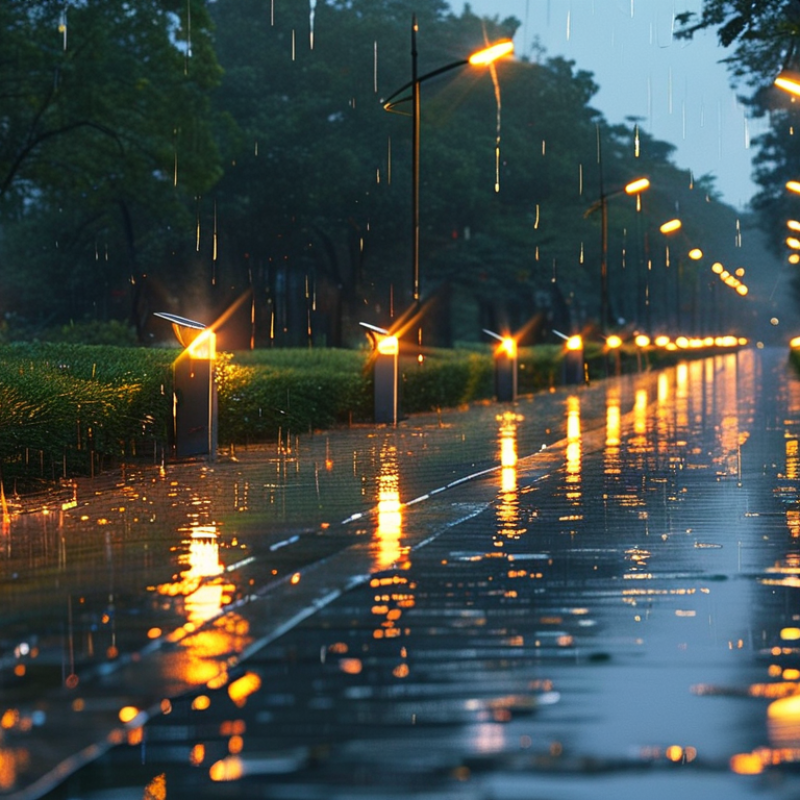
Solar lights can enhance outdoor spaces, but they sometimes malfunction after rain. Several factors contribute to this issue. Understanding these common causes can help you troubleshoot effectively.
Water ingress is a primary concern. Many solar lights are not fully waterproof. When water seeps into the battery compartment, it can short-circuit the system. Additionally, damaged seals or cracks in the casing can exacerbate this problem. Inspect your lights for any signs of wear and tear.
Another cause of malfunction is battery failure. Rain can sometimes drain batteries faster than anticipated, especially if they are of low quality. After heavy rain, the amount of sunlight available for recharging might be insufficient. Observe the behavior of your lights closely. If they flicker or turn off unexpectedly, it might be time for a battery replacement. Regular maintenance checks can help you catch these issues early, preventing larger problems down the line.
Water damage can severely impact solar light components. When rainwater seeps into the housing, it leads to corrosion. This corrosion can affect the circuit board and battery connections. Over time, corrosion compromises functionality, making the lights unreliable.
Moreover, inadequate sealing in solar lights is a common issue. Many products are not designed to withstand heavy rain. During storms, water may enter through gaps, damaging crucial internal components. Even a small amount of moisture can initiate rusting.
Additionally, prolonged exposure to water can hinder solar panels. Water creates a film that blocks sunlight. This can diminish energy absorption significantly. If solar panels remain coated, the lights will struggle to recharge, leading to decreased performance. Regular maintenance and careful selection of products are essential.
| Reason | Description | Impact Level |
|---|---|---|
| Water Ingress | Water can enter the solar light's housing, damaging internal components. | High |
| Corrosion | Metal parts may corrode due to prolonged exposure to moisture. | Medium |
| Battery Damage | Rain can lead to battery swelling or leakage, impacting performance. | High |
| Circuit Board Short | Moisture may cause short circuits on the PCB, making lights inoperative. | High |
| Sensor Malfunction | Water can interfere with the performance of light sensors. | Medium |
| Dirt Accumulation | Mud and debris can block solar panels, limiting sunlight absorption. | Medium |
| Poor Sealing | Improper sealing of light units leads to increased vulnerability to water. | High |
| Aging Components | Old components may fail to withstand wet conditions efficiently. | Medium |
| Temperature Fluctuations | Rain may cause rapid temperature changes, affecting materials. | Low |
| Quality of Materials | Inferior quality materials may not withstand water damage well. | High |
After rain, many homeowners notice that their solar lights fail to function as expected. One significant factor is battery performance issues in wet conditions. Research by the National Renewable Energy Laboratory shows that moisture can reduce battery efficiency by up to 30%. This impacts the lights' ability to store and use solar energy effectively.
Typically, solar lights utilize nickel-cadmium or lithium-ion batteries. These types can be sensitive to extreme weather. For instance, a study indicated that nickel-cadmium batteries lose charge capacity when exposed to high humidity. When the battery's performance is compromised, the solar light may flicker or stop working altogether.
When considering solar lights, it’s essential to recognize that not all batteries are built the same. Some cheaper models may not perform well in humid conditions. The reliance on low-quality components can lead to unexpected failures after heavy rain. Users should evaluate whether their solar lights can withstand wet environments for prolonged periods. This ongoing issue prompts a reconsideration of material choice and technology in solar lighting design.
Rain exposure can significantly impact solar lights, causing sensor and circuit faults. These issues often stem from moisture damage or inadequate sealing. When water penetrates sensitive components, it leads to electrical malfunctions.
Reports indicate that nearly 25% of solar light failures are due to water-related issues. For instance, water can corrode the internal circuits, causing the lights to short-circuit. Furthermore, sensors may become unreliable after heavy rain, resulting in lights failing to charge properly. This is particularly common in lights lacking robust waterproofing measures.
To mitigate these problems, consider a few practical tips. Ensure your solar lights are designed for wet conditions. Check the seals and gaskets regularly for wear or damage. If you notice any signs of moisture inside the housing, act quickly. You can dry out the circuits using silica gel packs to absorb any lingering moisture. Always use quality products with solid reviews for durability and resistance.
Investing in better waterproof solutions can enhance the longevity of your solar lights. This reflects on your long-term savings and functionality. Regular maintenance can uncover potential issues before they turn serious, ensuring your outdoor lighting remains reliable after rainfall.
Rain can significantly impact the performance of solar lights. To enhance their durability, preventative measures are essential. Many solar lights are not fully waterproof. This can lead to water damage, affecting the internal components and batteries. According to a report by the Solar Energy Technologies Office, improper sealing can reduce the lifespan of solar products by up to 30%.
One effective measure is to position solar lights under awnings or overhangs. This helps minimize direct exposure to rain. Another common issue is debris accumulation. Leaves and dirt can clog the light’s casing, trapping moisture inside. Regular cleaning of solar lights ensures optimal operation and can prevent rusting or corrosion. A study indicates that 15% of solar light failures are due to neglect in maintenance.
Investing in high-quality solar lights with better waterproof ratings is another vital step. Look for models with an IP68 rating, which guarantees protection against dust and water ingress. Some users overlook the importance of battery maintenance. Regularly checking and replacing batteries can keep lights functioning efficiently. A proactive approach to maintenance can mitigate potential failures, especially during rainy seasons.
: Water entering the battery compartment can cause short circuits. Look for cracks in the casing too.
If your lights flicker or turn off suddenly, it may be time for a battery replacement.
No, some batteries perform poorly in humidity. Quality matters when choosing solar lights.
Yes, moisture can reduce battery efficiency by up to 30%. This affects how they store solar energy.
Regular checks can prevent larger problems. Inspect them after heavy rains or storms.
Evaluate materials that resist water and humidity. Cheaper options may lead to frequent failures.
Yes, consider reinforced designs or higher-quality components for better resistance to wet conditions.
Rain can reduce sunlight access for recharging. This affects overall light performance and battery life.
Solar lights are a popular choice for outdoor illumination, but many users often find themselves asking, "why do solar lights stop working after rain?" There are several common causes for this issue. Water damage can affect various components of solar lights, leading to malfunctions. The batteries, which are crucial for energy storage, may also suffer from performance issues in wet conditions, reducing their efficiency and lifespan. Additionally, sensors and circuits can become faulty when exposed to moisture, resulting in further operational problems.
To prevent these issues, it is essential to take preventative measures to protect solar lights from rain. This may include ensuring proper installation in waterproof fixtures, using water-resistant materials, and performing regular maintenance to check for potential leaks or damage. By understanding the factors contributing to solar light failures after rain, users can take steps to extend the lifespan and functionality of their outdoor lighting solutions.

Cappy Light