When it comes to securing premises, the choice of lighting plays a critical role. Many consider solar lighting due to perceived cost savings and eco-friendliness. However, why is main power lighting better than solar for security? Recent industry reports indicate that main power systems offer more reliability and performance, especially in high-demand situations. Solar lighting can falter during extended cloudy periods or during winter months, leading to potential security gaps.
A study from the Security Industry Association reveals that over 70% of businesses prefer hardwired systems for their consistent performance. Main power lighting provides uninterrupted coverage to deter unauthorized access effectively. The ability to integrate advanced technologies, such as motion sensors and automated controls, is a significant advantage. These features promote safety, illuminating areas when necessary, providing real-time surveillance opportunities.
Additionally, maintenance costs for solar systems can accumulate, particularly if panels require replacement or cleaning. The upfront investment in main power lighting may appear higher, yet it translates into long-term reliability. In fluctuating conditions, where security matters most, main power lighting remains steadfast.
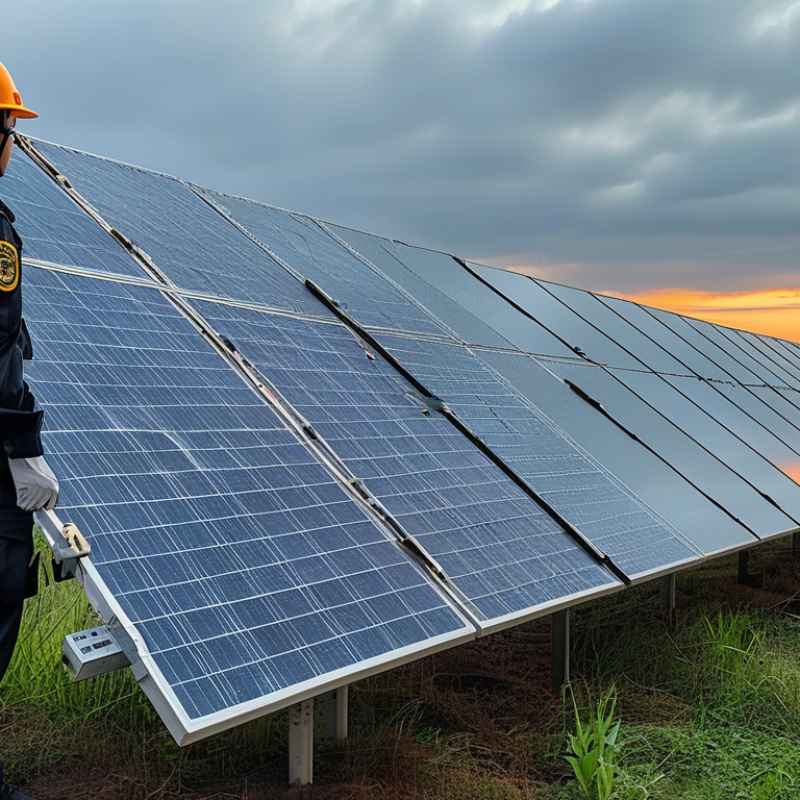
Comparison of Main Power Lighting and Solar Lighting for Security
When considering security needs, main power lighting often stands out over solar-powered options. Main power lighting provides consistent illumination, essential for safety. In contrast, solar lighting relies on sunlight and may dim at night if inadequate energy is stored.
Main power systems are typically more reliable. They function seamlessly regardless of weather conditions. This reliability can be crucial in areas where safety is a concern. Solar lights, while eco-friendly, may require frequent maintenance or adjustments. Their performance can fluctuate based on seasonal changes and geographical location.
**Tip:** Regularly check connections and fixtures of main power lighting to ensure they are functioning optimally. Ensure the light strength meets your security standards.
In contrast, solar lights are easy to install but depend on optimal sunlight. Poor positioning can lead to underperformance. If you choose solar, monitor its efficiency during different seasons.
**Tip:** Evaluate the location of solar panels to maximize sunlight exposure for improved performance. Regularly clean them to prevent dust from obstructing the sunlight.
Why Choose Main Power Lighting Over Solar for Security Needs?
This chart compares Main Power Lighting and Solar Lighting across various important metrics relevant for security needs, such as initial cost, maintenance cost, lifespan, brightness, and installation time.
Advantages of Main Power Lighting in Security Applications
Main power lighting is often preferred over solar solutions for security applications due to its reliability and efficiency. A study by the National Institute of Justice shows that well-lit areas deter crime significantly. Adequate lighting reduces the likelihood of incidents by up to 50%. This draws attention to the importance of having consistent power supply. Solar lighting may not perform consistently during cloudy weather or winter months.
Additionally, main power lighting systems can offer superior brightness and coverage. For example, LED lights connected to the grid can deliver up to 160 lumens per watt. In contrast, solar lights typically range between 50 to 100 lumens per watt. Higher lumen output provides better visibility, making spaces safer for residents and employees. Such performance is vital in high-crime areas.
While solar lighting has its perks, including being eco-friendly, its limitations cannot be ignored. Battery life can diminish after several charge cycles, leading to dark spots in security coverage. This raises concerns about the effectiveness of solar lights in critical situations. Main power solutions generally promise uninterrupted service, ensuring that lights are operational whenever needed. Reliability in security lighting is non-negotiable.
Why Choose Main Power Lighting Over Solar for Security Needs? - Advantages of Main Power Lighting in Security Applications
| Advantages |
Main Power Lighting |
Solar Lighting |
| Reliability |
Continuous power supply regardless of weather |
Dependent on sunlight availability |
| Brightness |
Higher lumen output for better visibility |
Tends to be less bright, especially during cloudy days |
| Maintenance |
Easier access for repairs and replacements |
Requires maintenance of solar panels |
| Installation |
Quick installation with standard electrical setup |
Can be complex due to panel placement and wiring |
| Operating Costs |
Lower long-term operating costs with fixed energy rates |
Higher initial cost but lower operational expenses |
| Durability |
Generally more robust against physical and environmental damage |
Solar panels can be fragile and susceptible to breakage |
Limitations of Solar Lighting for Security Needs
When considering security lighting, solar options may seem appealing. However, their limitations can significantly affect their effectiveness. Solar lights rely on sunlight for energy, which can be inconsistent. During cloudy days or winter months, their performance diminishes. A study by the Lighting Research Center shows that solar lights can lose up to 50% of their brightness in less than optimal conditions.
Moreover, solar batteries typically have a lifespan of about two to three years. Frequent replacements can lead to additional costs. The need for regular maintenance to ensure functionality may also be overlooked. Many property owners may not realize that the placement of solar panels is critical. Shadows from trees or buildings can reduce their efficiency significantly.
In areas of high crime, consistent and reliable lighting is essential for safety. A report from the National Institute of Justice highlights that well-lit spaces can reduce crime rates by up to 39%. Main power lighting offers the reliability needed for security. It provides consistent brightness regardless of weather conditions or seasonal changes. Choosing main power lighting can ensure that safety is never compromised by unreliable solar options.
Cost Considerations: Main Power vs. Solar Security Lighting
When considering security lighting, cost plays a crucial role. Main power lighting typically involves lower initial installation costs compared to solar options. This can be appealing for those on a tight budget. However, the long-term expenses tell a different story. Main power systems incur ongoing electricity costs. In contrast, solar lighting might have a higher upfront investment but can lead to substantial savings over time.
Maintenance is another aspect to consider. Main power lights require regular checks and potentially costly repairs. If the system fails during critical security moments, it can be a real issue. Solar lights generally need less upkeep, with fewer components prone to failure. Yet, they depend heavily on daylight. In regions with limited sunlight, their effectiveness can wane.
Reliability is essential in security applications. While solar options are eco-friendly, their performance can fluctuate. This might not align with the needs of every installation. Main power lighting doesn’t face this challenge, providing consistent illumination. Users should weigh these factors carefully against their specific security needs and financial considerations.
Installation and Maintenance Factors for Security Lighting Options
When considering security lighting, installation and maintenance are crucial factors. Main power lighting systems typically require a wired setup. This can be labor-intensive. It often involves running electrical lines and securing fixtures to walls or poles. The installation may take longer than expected. Sometimes, unexpected complications arise, such as dealing with existing structures or landscaping.
On the other hand, introducing solar lighting can seem straightforward. However, maintenance is essential. Solar panels require regular cleaning to ensure optimal performance. They can be vulnerable to debris and dirt. As seasons change, heavy snowfall or leaf accumulation can affect solar efficiency. Unlike main power options, solar lighting depends heavily on sunlight quality. In cloudy regions, the reliability of solar systems can wane.
Choosing between the two options involves weighing these installation and maintenance considerations. Many find that the long-term effectiveness of main power lighting justifies the initial complexity. However, without proper installation, performance might fluctuate. It's important to assess the specific needs of your space. Understanding both systems will lead to a more informed decision.
FAQS
: Main power lighting is reliable, efficient, and can significantly deter crime. Proper lighting reduces incident likelihood by up to 50%.
Main power lighting can deliver up to 160 lumens per watt, while solar lights typically offer between 50 to 100 lumens per watt.
Main power lighting often has lower initial installation costs but incurs ongoing electricity expenses. Solar lights may have a higher upfront cost but lower long-term expenses.
Main power systems require regular checks and potential repairs, which can be costly if they fail at critical times.
Solar lighting can lose effectiveness in cloudy weather or during winter months, leading to dark spots in security coverage.
Yes, they require a wired setup that can be labor-intensive, often involving electrical lines and securing fixtures.
Solar panels need regular cleaning, as debris can hinder their performance. Heavy snowfall can also affect efficiency.
Yes, in regions with limited sunlight, solar lighting may be less effective, impacting overall security performance.
Users should assess reliability, installation complexity, maintenance needs, and specific security requirements.
Yes, unforeseen complications can arise during installation, potentially affecting the long-term performance of the lighting system.
Conclusion
When considering security lighting solutions, one might ponder why is main power lighting better than solar for security. A comprehensive comparison shows that main power lighting offers several advantages over solar solutions. First, main power lighting provides consistent and reliable illumination, which is crucial for security applications where visibility is paramount. Furthermore, the limitations of solar lighting, including reliance on sunlight and potential energy deficiency during cloudy days, can compromise safety.
Cost considerations also favor main power lighting, as the initial installation might be higher, but the long-term reliability and reduced maintenance needs often lead to lower overall costs. Additionally, main power systems are easier to install and maintain, providing a hassle-free solution for ongoing security requirements. Ultimately, when assessing security needs, main power lighting proves to be a superior choice over solar options for reliable and effective illumination.

 Cappy Light