China Best How to Clean Solar Panels on Outdoor Lights?

Time:2026-09-08 Author:Liam
0%

Outdoor solar lights depend on clean panels to convert sunlight into usable energy. Dust, pollen, bird marks, and rain residue can gradually reduce charging performance. This guide explains how to clean solar panels on outdoor lights using simple, careful methods suitable for common garden, pathway, and security fixtures.

Before cleaning, switch off the light and remove its battery when the design allows it. Choose a cool morning or shaded time, because hot glass can dry water too quickly. Wipe loose dirt with a soft microfiber cloth. Then use lukewarm water with a small amount of mild dish soap. Avoid abrasive powders, strong chemicals, rough sponges, and high-pressure sprays. They may scratch the panel or damage nearby seals. A cotton swab can reach narrow edges around the panel frame. Keep moisture away from open battery compartments and electrical connections.

Rinse lightly with a clean, damp cloth. Dry the surface completely before returning the light to operation. Inspect the panel for cloudy plastic, cracks, loose wiring, or corrosion. Cleaning cannot repair every performance problem. A weak battery, poor placement, short winter daylight, or internal water damage may be responsible. I have found that over-cleaning can also cause trouble, especially when water enters older fixtures. Check the manufacturer’s instructions when available, and test the light after several sunny hours. Gentle maintenance every few months usually works better than aggressive scrubbing after the panel becomes heavily stained. The goal is simple: restore clear sunlight access without creating a new fault.
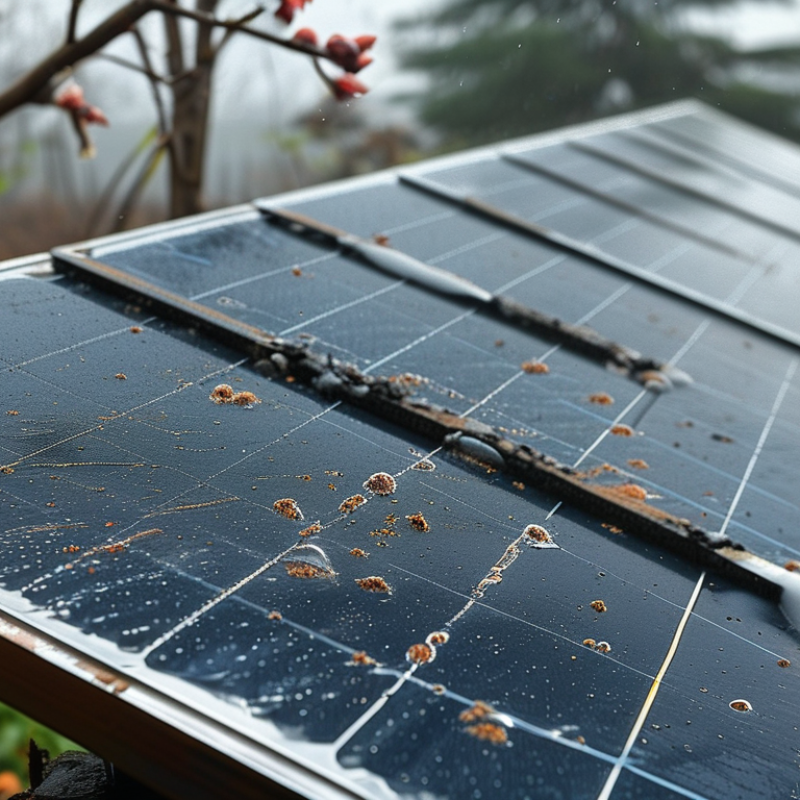
China Best How to Clean Solar Panels on Outdoor Lights?

Solar Panel Types and Cleaning Requirements for Outdoor Lights

Outdoor solar lights use several panel types, and each surface needs slightly different care. Monocrystalline panels usually have dark, smooth cells and strong low-light performance. Polycrystalline panels look blue-speckled and tolerate normal outdoor exposure well. Thin-film or amorphous panels are lighter, but their surfaces may scratch or stain more easily. The panel type is often printed in the product manual. If it is unclear, treat the surface as delicate.

Dust, pollen, bird droppings, and salty air can reduce charging. A small layer matters on a compact panel. Clean at dawn or after sunset, when the glass is cool. Switch off the light, then remove loose grit with a soft brush or clean water. Use a damp microfiber cloth and mild soap for sticky dirt. Keep it gentle. Never use abrasive powder, rough sponges, solvents, or a pressure washer. Keep water away from charging ports and open seams.

For flat panels, inspect the lower edge, where muddy water often dries. Angled panels usually shed rain better. Rain is not enough. Check monthly in dusty areas and every two or three months in cleaner locations. After cleaning, leave the panel fully dry before testing the light. A common mistake is wiping too hard; it can create fine scratches that are difficult to notice. I still question whether frequent washing helps every installation. Test charging time before changing the routine.

Safety Checks Before Cleaning Solar-Powered Outdoor Lights

Before cleaning solar-powered outdoor lights, inspect them while they are switched off. Move each light to a dry, stable area if possible. Check the housing, solar panel, stake, and cable for cracks or exposed wires. A cloudy cover can hide damage. Do not clean yet. If water has entered the battery compartment, let the unit dry completely. Never touch corroded contacts with bare fingers.

Wear dry gloves and non-slip shoes, especially on wet grass or uneven paving. Avoid ladders when possible. Wait until the panel feels cool, not hot from direct sunlight. Keep children and pets away from the work area. Turn off the power switch and remove the battery only when the instructions allow it. Some units may retain energy briefly. Give them time. Check the weather before starting. Rain can turn a simple task into a slipping hazard.

Use a soft microfiber cloth, clean water, and a small amount of mild detergent. Do not spray water directly into seams, switches, or battery covers. Wipe the panel gently, then dry it with a clean cloth. Abrasive pads may leave fine scratches that reduce light absorption. Inspect the seal and screws afterward. If the light flickers, smells burnt, or has a swollen battery, stop immediately. I once rushed this check and missed a loose cable under the cover. It was a small mistake, but moisture made it worse. Damaged parts should be handled according to local waste and recycling requirements.

Tools and Cleaning Solutions for Solar Panel Care

Solar panels on outdoor lights collect dust, pollen, bird droppings, and coastal salt. Even a thin film can reduce sunlight absorption. I clean them during cool morning hours, after switching the light off. A hot panel may dry water too quickly and leave mineral spots.

Use a soft-bristle brush to remove loose dirt. A microfiber cloth works well around edges and small fixtures. Prepare lukewarm water with a few drops of mild, non-abrasive soap. Distilled water is useful where tap water leaves white marks. Spray the solution onto the cloth, not directly into the light housing. Then wipe gently in straight passes.

Avoid metal scrapers, rough sponges, strong solvents, and high-pressure sprays. They can scratch the protective surface or force moisture into electrical parts. I once cleaned a panel too quickly and missed a sticky patch beneath the frame. It looked clean from a distance, but the light still performed poorly. Small details matter.

Rinse the cloth often. A dirty cloth can spread grit across the panel. For dried bird droppings, place a damp cloth over the area for several minutes. Do not scrape while it is dry. Check the panel seal, wiring, and mounting angle during cleaning. Loose parts may need qualified repair rather than force. Let everything dry fully before restoring power, especially after cleaning near the battery compartment.

China Best How to Clean Solar Panels on Outdoor Lights? - Tools and Cleaning Solutions for Solar Panel Care

Cleaning Dimension Recommended Practice Suitable Tools or Solutions Suggested Frequency Important Precaution
Best Cleaning Time Clean when the panel is cool and the light is switched off, preferably in the morning or late afternoon. Soft cloth, soft sponge, or clean microfiber towel Whenever routine cleaning is required Avoid cleaning a hot panel with cold water because sudden temperature changes may stress the surface.
Dust and Loose Dirt Gently remove loose dust, pollen, leaves, and small particles before wiping. Soft-bristle brush or low-pressure air Monthly in dusty locations or when visible buildup appears Do not use abrasive brushes or scrape dirt across the panel.
Routine Surface Cleaning Wipe the panel lightly with clean water and a soft, non-abrasive cloth. Clean water and microfiber cloth Every 1–3 months, depending on local dust and rainfall Use gentle pressure to avoid scratching the protective surface.
Bird Droppings and Stubborn Spots Moisten the residue first, allow it to soften, then wipe without scraping. Warm water, soft sponge, and a mild pH-neutral soap solution if necessary As soon as practical after visible contamination Never use a knife, razor blade, scouring pad, or other sharp object.
Soap Residue Removal Rinse thoroughly with clean water after using a mild cleaning solution. Low-pressure water and a clean microfiber cloth After every soap-based cleaning Residual detergent can leave a film that reduces light transmission.
Hard-Water Mineral Marks Use a damp cloth first; if deposits remain, use a very mild diluted vinegar solution and rinse well. Distilled water or diluted white vinegar solution Only when mineral deposits are visible Test any solution on a small area and keep liquids away from openings and electrical connections.
Final Drying Remove remaining water to reduce streaks and water spots. Dry microfiber towel or lint-free cloth After each wet cleaning Do not rub with rough fabric, paper towels, or dirty cloths.
Electrical Protection Clean only the exposed panel surface and avoid soaking the lamp housing, battery compartment, or switch. Damp cloth rather than a high-pressure hose During every cleaning session Follow the light's instructions for water resistance and keep the unit switched off.
Cleaning Products to Avoid Choose non-abrasive, mild cleaning methods instead of aggressive chemicals. Avoid abrasive powders, strong solvents, bleach, ammonia, and rough scouring materials Avoid at all times Harsh chemicals may damage coatings, seals, plastics, or surrounding finishes.
Post-Cleaning Inspection Check for cracks, loose covers, corrosion, blocked sensors, and reduced nighttime operation. Visual inspection and dry cloth After cleaning and at least twice a year Stop using damaged equipment and seek qualified repair support when electrical parts are exposed.
General care note: Cleaning needs vary with dust, pollen, salt spray, rainfall, and nearby trees. Always prioritize the outdoor light's installation and care instructions.

Step-by-Step Method for Cleaning Outdoor Light Solar Panels

Cleaning an outdoor light’s solar panel takes only a few minutes, but timing matters. Choose a cool morning or a cloudy day. Turn the light off before handling it. Hot glass can dry water too quickly and leave mineral spots.

Begin with a soft, dry brush. Remove loose dust, leaves, and fine grit from the panel surface. Do not press hard, because trapped sand may create tiny scratches. Mix clean water with a small amount of mild soap. Dampen a microfiber cloth, then wipe the panel in gentle, straight strokes. Avoid soaking the light. Water can enter through worn seals or small cracks. Never use abrasive powder, strong chemicals, or a pressure washer.

Rinse the cloth and wipe away soap residue. Use a separate dry cloth to remove moisture from the panel edges. Check the surrounding frame while cleaning. A loose cover or damaged seal deserves attention before rain arrives. I once cleaned a panel too quickly and left a thin soap film; the light seemed dimmer that evening. That mistake reminded me to inspect the surface from several angles. After cleaning, place the light where direct sunlight reaches the panel without obstruction. Wait until it is fully dry before switching it on. Clean it every few months, or more often when dust, pollen, or coastal salt builds up.

Drying, Testing, and Maintaining Clean Solar Panels

For outdoor solar lights, cleaning is only half the job. Drying, testing, and maintenance decide whether recovered sunlight reaches the battery. After rinsing, tilt each panel slightly and let water drain naturally. Wipe remaining droplets with a soft, lint-free cloth. Do not wipe wet grit across the surface. It can create fine scratches and leave mineral spots.

Test the light after the panel is completely dry. In direct sunlight, check whether the charging indicator responds and measure the panel’s voltage with a suitable multimeter. Compare the reading with the manufacturer’s stated range, if available. A lower result may indicate shade, dirty contacts, damaged wiring, or an aging battery. The IEA PVPS Task 13 report notes that soiling commonly causes several percent of annual photovoltaic energy losses, while harsh local conditions can produce losses above 10%. That makes a small outdoor panel worth checking, even when the light still turns on.

Maintenance needs to match the site. Dusty roads, sea spray, pollen, and bird residue require different cleaning intervals. Inspect panels every four to eight weeks, then adjust the schedule after observing real output. Keep nearby branches trimmed, but avoid aggressive cutting or unsafe climbing. I have found that “clean” does not always mean “efficient”; weak sunlight, poor battery storage, or loose connectors can remain hidden. Record nighttime brightness for several days after cleaning. Small notes often reveal problems that a single visual inspection misses.

FAQS

: What should I check before cleaning a solar-powered outdoor light?

: Switch it off first. Inspect the housing, panel, stake, cable, seals, and screws for cracks or exposed wires. A cloudy cover may hide damage. Do not clean until the unit looks safe.

How should I handle water inside the battery compartment?

Let the light dry completely before touching or cleaning it. Never touch corroded contacts with bare fingers. Follow the instructions before removing the battery.

What safety equipment should I use?

Wear dry gloves and non-slip shoes, especially on wet grass or uneven paving. Keep children and pets away. Avoid ladders when possible. Wait for cooler weather.

What cleaning tools work best for the solar panel?

Use a soft-bristle brush, microfiber cloth, clean water, and mild detergent. Lukewarm water helps loosen dirt. Distilled water can prevent white mineral marks.

How do I remove dried bird droppings safely?

Place a damp cloth over the spot for several minutes. Then wipe gently. Do not scrape dry droppings, because grit may scratch the panel.

Should I spray water directly onto the light?

No. Spray the cleaning solution onto the cloth instead. Keep moisture away from seams, switches, wiring, and battery covers. Small openings matter.

Which cleaning methods could damage the panel?

Avoid metal scrapers, rough sponges, strong solvents, and high-pressure sprays. They may scratch the protective surface or force water into electrical parts. I once cleaned too quickly and missed sticky dirt beneath the frame.

What should I do after cleaning?

Wipe the panel gently in straight passes, then dry it with a clean cloth. Check the seal, wiring, and mounting angle. Let everything dry fully before restoring power.

When should I stop cleaning and seek qualified help?

Stop immediately if the light flickers, smells burnt, or has a swollen battery. Loose wiring and damaged parts may need qualified repair. Do not force them.

Conclusion

This guide explains how to clean solar panels on outdoor lights safely and effectively. It introduces common panel types and describes how dirt, dust, pollen, leaves, and water spots can reduce charging performance. Before cleaning, switch off the lights if possible, remove or isolate the batteries when appropriate, and check for cracked panels, loose wires, sharp edges, or unstable fixtures. Basic supplies include a soft cloth or sponge, clean water, a gentle soap solution, and a soft brush for hard-to-reach areas. Abrasive materials and harsh chemicals should be avoided because they may scratch or damage the panel surface.

The step-by-step method involves removing loose debris, gently wiping the panel with diluted soap and water, rinsing away residue, and drying it with a clean, lint-free cloth. After cleaning, reposition the light if necessary, allow the panel to receive direct sunlight, and test the light at night. Regular inspections and seasonal cleaning can help maintain efficient charging, extend operating performance, and keep outdoor solar lights working reliably.

Liam

Liam

Liam is a dedicated marketing professional with a profound expertise in the industry, where he excels at highlighting the unique advantages of our core products. With a keen understanding of market trends and consumer needs, Liam frequently updates our company’s professional blog, providing......