When solar lights fail to turn off, it can be frustrating. Many homeowners face this problem without understanding why it happens. According to expert David Smith, a specialist in solar technology, "The longevity of solar sensors is vital for their efficiency." Therefore, knowing how to fix a solar light sensor that stays on is essential for maintaining your outdoor lighting.
Issues like dirt on the sensor or incorrect installation often lead to the continuous activation of solar lights. Often, light sensors are located too close to other light sources. These external factors can confuse the sensor, causing it to malfunction. Regular maintenance is crucial. Cleaning the solar panel and ensuring the sensor is correctly positioned can resolve many issues.
Sometimes, however, the problem might require deeper investigation. Wiring issues or faulty components could be at play. Homeowners may overlook these aspects while troubleshooting. Failing to address these can result in wasted energy and increased frustration. It’s important to approach the problem systematically, with an understanding that fixing a solar light sensor isn’t always straightforward. Each case may require a different solution or expert input.
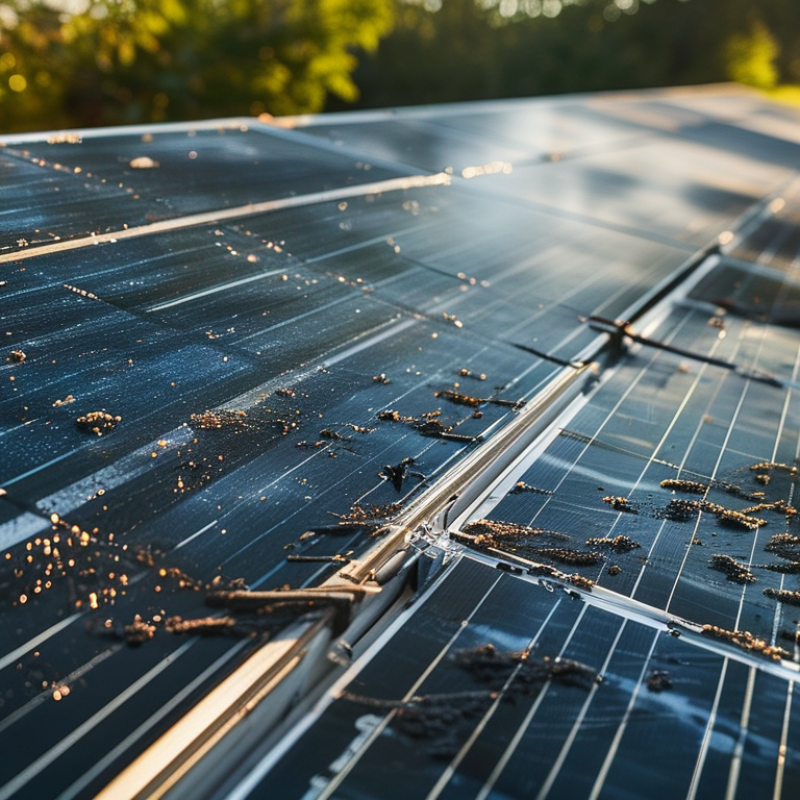
Solar light sensors play a crucial role in the functionality of outdoor lighting systems. These sensors detect ambient light levels and automatically turn lights on or off based on dusk and dawn conditions. According to industry reports, nearly 40% of solar light failures stem from sensor malfunctioning or improper settings. This highlights the importance of understanding how these sensors operate.
Typically, solar light sensors are designed to remain "on" when it is dark and "off" when it is light. However, when they stay illuminated continuously, it may indicate a fault. Dust, debris, or even moisture can interfere with the sensor's ability to detect light properly. A study illustrated that over 50% of users experienced sensor issues linked to environmental factors. Regular cleaning and optimal placement can help mitigate these issues.
It’s worth noting that not all solar lights come equipped with advanced sensors. Some rely on basic technology, leading to less reliable performance. Users may encounter situations where a sensor gets stuck due to internal wear and tear, another reason for lights remaining on longer than desired. Understanding the limitations of your solar light sensor can enable smarter usage and maintenance, potentially extending its lifespan and functionality.
Solar light sensors can malfunction and stay on indefinitely. Understanding the common causes helps users troubleshoot effectively. A sensor may stick due to dirt or debris blocking its optical elements. In fact, regular maintenance can prevent this issue, as studies show that 30% of solar light malfunctions stem from environmental factors.
Another cause is faulty wiring or connections. Improper installation may cause the sensor to receive continuous power, preventing it from detecting daylight. According to industry data, nearly 25% of issues result from poor electrical connections. Users should check wires often for wear and ensuring everything connects properly.
**Tip:** Regularly clean the sensor lens with a soft cloth to enhance performance.
Additionally, incorrect settings can lead to a sensor staying on. Some models allow users to adjust sensitivity levels. Misconfigurations can make the sensor overly responsive to low light. Understanding the manual is crucial, as 15% of users overlook this step.
**Tip:** Review the product specifications to understand optimal settings for various environments.
It’s essential to remember that even minor errors can lead to bigger problems. Regular monitoring can ensure your solar lights function correctly.
If your solar light sensor stays on all the time, a few steps can help you troubleshoot the issue. Start by checking if the sensor is dirty or blocked. Dust and debris can obscure its ability to detect light. Clean the sensor gently with a soft cloth. Make sure there are no obstructions, such as plants or furniture, casting shadows on it.
Next, inspect the wiring and connections. Sometimes, loose wires can interfere with the sensor's function. Tighten any loose connections carefully. If the wiring appears damaged, plan to replace it. Look at the battery life. If the battery is old or failing, it can cause strange sensor behavior. Consider replacing it to ensure optimal performance.
Lastly, consider the placement of your solar lights. If they are in a shady area, they may not charge properly. Moving them to a sunnier location can improve functionality. Remember, these tips may not work for every situation. Sometimes, sensors malfunction due to design flaws or age. Reflect on whether these solutions align with your specific problem. It may be worth seeking professional help if issues persist.
Cleaning and maintaining solar light sensors is essential for optimal performance. Dust, dirt, and debris can accumulate on the sensor surface. Regular cleaning helps ensure that the sensor accurately detects light levels. Use a soft, damp cloth to gently wipe the sensor. Avoid abrasive materials; they can scratch the surface.
In addition to cleaning, inspect the surrounding area. Overgrown plants or other objects may block light from reaching the sensor. Trimming foliage can enhance sensor operation. If you notice a build-up of dirt over time, establish a regular maintenance schedule. This can be as simple as checking the sensors monthly.
Solar lights also benefit from checking batteries and connections. Corroded terminals can lead to malfunctions. A quick visual inspection can save you from future issues. Remember, even small changes in the environment can affect performance. Stay observant and proactive in your maintenance routine.
When dealing with solar light sensors that remain constantly on, assessing whether to replace the sensor or the entire fixture is crucial. Many factors can affect the sensor’s performance, including environmental conditions and the device's age. If the solar light doesn’t respond to darkness, the culprit might be a malfunctioning sensor or degraded solar panel efficiency.
Tips: Consider checking for dirt or debris on the sensor. Regular cleaning can improve performance. Additionally, ensure that the solar panel receives adequate sunlight. Obstructions can diminish charging efficiency.
If the light fixture is old, it might be worth investing in a new one, as older models may not perform optimally. Look for any signs of damage or decreased brightness. Sometimes, a minor issue can be resolved with simple adjustments. However, persistent problems likely indicate the need for a replacement.
Tips: Monitor the performance over a few nights. If problems persist, this might signal age-related wear. Noticing irregular performance can help you make the right decision soon.
| Issue | Possible Causes | Solutions | Replacement Needed? |
|---|---|---|---|
| Sensor Stays On | Dirt on sensor, faulty wiring, or defective sensor | Clean the sensor, inspect wiring, test with a multimeter | Not necessarily |
| Flashing Light | Low battery or faulty LED | Replace batteries, inspect or replace LED | Possibly |
| Sensor Activation at Night | Incorrect installation or sensitivity settings | Recheck installation and adjust sensitivity settings | Not necessarily |
| No Light Activation | Dead battery or malfunctioning solar panel | Charge battery, clean the solar panel, or replace | Possibly |
| Intermittent Lighting | Loose connections or battery issues | Secure connections, replace batteries if needed | Not necessarily |
: They detect ambient light levels and control lighting based on day and night conditions.
About 40% fail due to sensor issues, often from malfunctions or improper settings.
Use a soft, damp cloth. Avoid abrasive materials to prevent scratches and damage.
Dust, debris, and moisture can hinder light detection and cause operational issues.
If it remains constantly lit and doesn’t respond to darkness, consider replacement.
Regular checks are advised. A monthly inspection can help prevent performance issues.
Check for dirt on the sensor and verify that the solar panel is receiving sunlight.
Signs include decreased brightness and persistent performance issues. Consider a new fixture.
Minor issues may be resolved with adjustments, but persistent problems often indicate replacement is necessary.
Trim overgrown plants and ensure sensors are clean and unobstructed for better performance.
If you're wondering how to fix a solar light sensor that stays on, understanding its function is crucial. Solar light sensors detect ambient light levels to automatically turn lights on at night and off during the day. Common causes for sensors remaining on include dirt accumulation, obstructions blocking sunlight, or damaged components. To troubleshoot these issues, start with a step-by-step process, ensuring the sensor is clean and free from debris, and check for any physical obstructions.
Regular maintenance, such as cleaning the sensor and ensuring proper placement for sunlight exposure, can prevent issues from occurring. If the sensor continues to malfunction despite these efforts, it may be time to consider replacing the solar light sensor or the entire fixture. By following these guidelines, you can effectively address the issue and restore proper functionality to your solar lights.

Cappy Light