When considering outdoor lighting, solar options are becoming increasingly popular. Homeowners often ask, "how long do solar outdoor lights last?" Understanding this can help you make informed decisions. Solar lights harness energy from the sun, converting it into electricity, which powers bright and eco-friendly illumination.
The lifespan of these lights varies. Many factors, such as quality, usage, and environmental conditions, impact longevity. Higher-end models may provide better durability and longer service life. However, not all solar lights are created equal. Cheaper products may fall short and need replacing sooner.
Investing in quality solar lights can save you money over time. It's worth noting that some users experience frustration with their performance. Dimming lights or short battery life can be common issues. Regular maintenance and occasional battery replacements can enhance their lifespan. In summary, understanding how long do solar outdoor lights last is crucial to ensuring you have reliable lighting for your outdoor spaces.
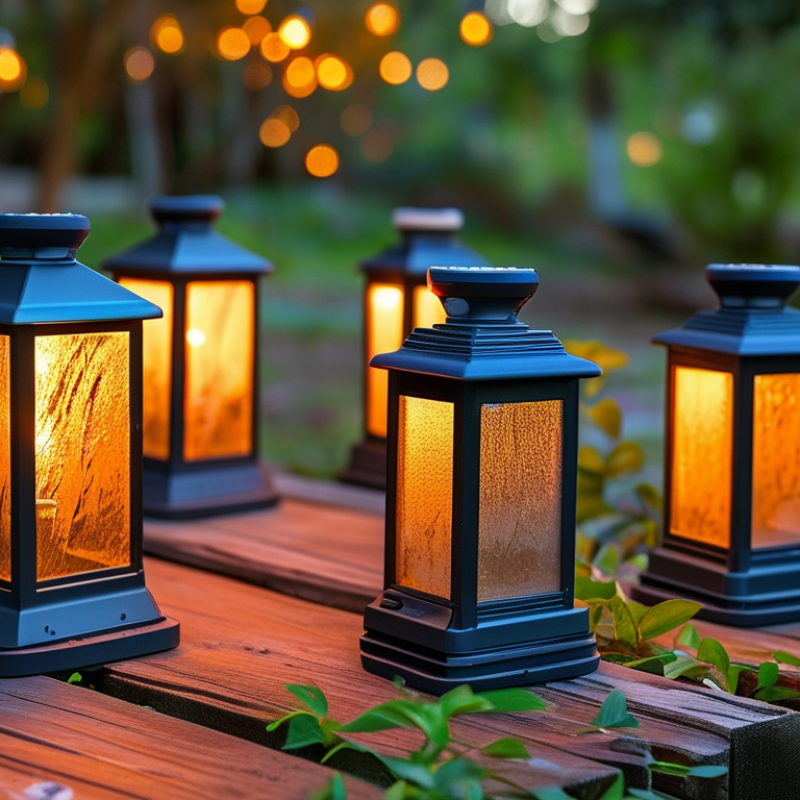
When choosing solar outdoor lights, understanding key features is crucial. The efficiency of solar panels directly affects brightness and duration. High-quality solar lights usually last longer and provide better illumination.
Consider the battery life. Most solar lights come with rechargeable batteries. A good battery can last several hours after sunset. Generally, look for models with lithium-ion batteries. They recharge faster and last longer than traditional batteries.
Here are some tips for maximizing solar light performance: Place lights in direct sunlight for optimal charging. Regularly clean the solar panels to ensure maximum efficiency. Also, be aware that cloudy days can affect brightness. It’s normal for lights to dim in poor weather.
Installation height matters. Lights installed too low may not light up areas effectively. Adjusting height can improve light distribution. Different designs cater to various needs. Pathway lights offer guidance while decorative lights add ambiance. Balance practicality with aesthetics for the best results.
When discussing the lifespan of solar outdoor lights, it's essential to consider their components. Most solar lights consist of solar panels, batteries, LED bulbs, and a control circuit. Each component plays a vital role in the overall performance and longevity of the light. According to the Solar Energy Industries Association, the average lifespan of solar panels is around 25 years, although their efficiency may degrade over time.
Batteries in solar lights typically last about 3 to 5 years, depending on the type and usage. Lithium-ion batteries tend to offer longer life and better performance than traditional nickel-cadmium batteries. These variations can significantly affect overall functionality. Some users may find dimming or inconsistent lighting as their battery age.
LED bulbs, often used in solar lights, are rated for approximately 25,000 hours of use. However, factors like temperature fluctuations and moisture can impact their lifespan. Regular cleaning of solar panels also helps maintain efficiency. It’s worth noting that even high-quality products can experience diminishing returns over time. Users should be aware of these realities when assessing their solar outdoor lighting options.
| Component | Average Lifespan (Years) | Notes |
|---|---|---|
| Solar Panel | 5-25 | Efficiency decreases over time. |
| Battery | 2-5 | Rechargeable batteries need replacement. |
| LED Light Bulb | 5-10 | Long-lasting and energy-efficient. |
| Housing/Frame | 10-20 | Material quality affects durability. |
| Control Circuit | 3-6 | Regulates solar power usage. |
When considering solar outdoor lights, understanding their longevity is crucial. Several factors significantly influence how long these lights last. One of the most important is battery quality. High-quality batteries can last for years, while cheaper options may need frequent replacements. The type of solar panel also plays a role. Efficient panels convert sunlight to energy better. This means more power stored for use at night.
Weather conditions significantly impact the lifespan of solar lights. Extreme temperatures and high humidity can reduce battery and panel efficiency. Regular maintenance helps too. Keeping panels clean ensures maximum sunlight absorption. Proper positioning of lights is essential. Make sure they're not shaded by trees or buildings during the day.
Furthermore, the build quality of the lights matters. Materials that can endure outdoor elements will last longer. Plastic housings might degrade more quickly than metal ones. Think about where you live. In areas with heavy rains or intense sunshine, invest in durable options. It’s worth the research to explore which features enhance longevity.
When considering solar outdoor lights, warranty terms provide a crucial insight into the durability of different brands. Studies indicate that a product with a longer warranty often results in higher consumer confidence. Industry data shows that reputable manufacturers frequently offer warranties ranging from two to five years. This duration not only reflects the product's lifespan but also the brand's commitment to quality.
Additionally, the variation in warranty coverage can be significant. While some brands may cover only defects in workmanship, others offer comprehensive protection, including battery replacement. A survey from the Lighting Research Center found that lighting products with robust warranties are often more reliable under various environmental conditions. However, some consumers may overlook warranty specifics, assuming that all solar lights will perform equally well.
It's essential for buyers to review warranty details thoroughly. Many light models can fail sooner than expected, diminishing value and performance. This highlights the need for consumers to not only check the warranty length but also understand what it covers. Investing time in this research can lead to better decision-making in selecting the right solar outdoor lights.
When you invest in solar outdoor lights, proper maintenance is vital for longevity. These lights rely on solar panels, batteries, and LEDs. Regular care can prolong their lifespan significantly.
One effective tip is to clean the solar panels. Dust, dirt, and debris can block sunlight. Use a soft cloth or sponge to remove buildup. This simple act can improve their efficiency.
: Key factors include battery quality, type of solar panel, and build quality.
High-quality batteries can last years; cheaper ones may need frequent replacements.
Efficient panels convert sunlight better, storing more power for nighttime use.
Extreme temperatures and humidity can reduce performance and lifespan.
Regularly clean solar panels and check batteries for degradation.
Ensure they are not shaded by trees or buildings during the day.
Durable materials withstand outdoor elements; inferior ones degrade quickly.
Look for warranty length and what it covers, like battery replacements.
Excessive rain or snow can damage electronics, consider indoor storage.
Regular cleaning of panels and ensuring secure connections are vital steps.
The article "2026 Best Solar Outdoor Lights: How Long Do They Last?" provides an in-depth look into the essential features of solar outdoor lights, including their components and expected lifespan. Understanding how long do solar outdoor lights last is crucial for consumers, as it can vary based on factors such as battery quality, solar panel efficiency, and environmental conditions.
Additionally, the article discusses key factors influencing longevity, such as maintenance practices and warranty terms offered by different brands. By performing a comparative analysis, it highlights various options available on the market while providing maintenance tips that can help extend the life of solar outdoor lights. Overall, readers will gain valuable insights into making informed decisions regarding their outdoor lighting needs while ensuring optimal performance and durability.

Cappy Light